What the Update Adds
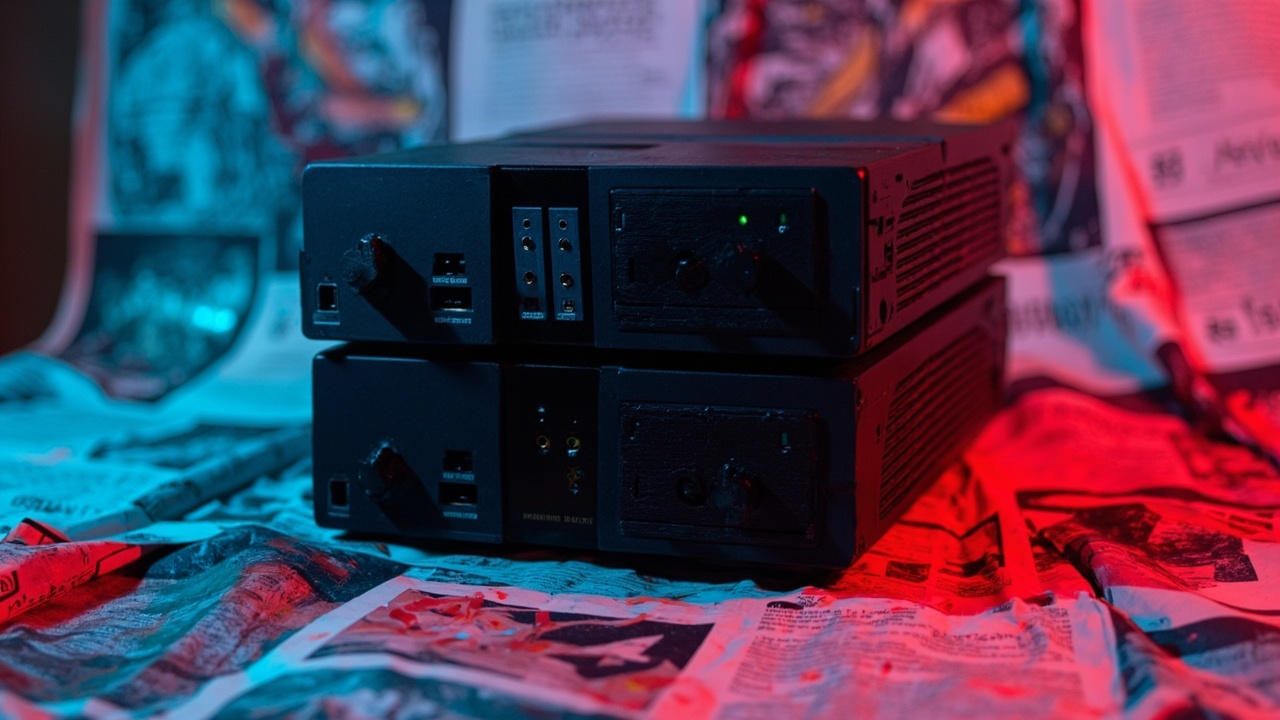
Analogue has rolled out firmware version 3DOS v1.5.0 for the Analogue 3D, its FPGA-based Nintendo 64 console. The marquee addition is a feature called Internal Graphical Upscaling, which the company says is designed to sharpen on-screen detail without departing from how the original N64 silicon rendered games. According to Analogue, the new mode “enhances detail and clarity” while keeping the rendering pipeline faithful to the original hardware.
The update lands as a free firmware drop for existing Analogue 3D owners. Analogue has built its reputation on FPGA implementations of classic consoles, an approach that re-creates the behavior of original chips in programmable logic rather than running software emulation. That distinction tends to matter most to collectors and enthusiasts chasing low-latency, pixel-accurate play, and it shapes how features like an internal scaler are received by the community.
Why It Matters to Retro Enthusiasts
For decades, retro gamers have relied on external scalers, line doublers, and increasingly sophisticated HDMI-capable displays to push classic consoles onto modern televisions. Built-in upscaling inside the console itself sidesteps some of that hassle, and on the N64 in particular it addresses a long-standing complaint: the system’s native video output was notoriously fuzzy, with composite and S-video signals that blurred textures and softened edges. Even when running on the original hardware, the picture was never going to look crisp on a 4K set without some form of processing.
The N64 itself launched in 1996 in Japan and North America, and it remains a divisive but beloved entry in Nintendo’s home console lineup. Its library of 3D pioneers, rare cartridges, and oddball peripherals keeps collectors engaged more than two decades on, and demand for clean, lag-free play has only grown as display technology has moved forward. A built-in upscaler that promises to stay true to original rendering is exactly the kind of feature that appeals to players who want modern display convenience without sacrificing the quirks that defined the era.
The 3DOS platform itself is also part of the appeal. Analogue’s earlier consoles ran custom firmware that added region-free play, per-game configurations, and other quality-of-life tweaks, and an active update cycle of this size suggests the company is still investing in the platform. For retro buyers weighing premium FPGA hardware against software emulation, ongoing support tends to tip the scales. For the latest coverage of firmware drops and FPGA hardware, keep an eye on the RetroArcade news section.
Source: Time Extension