Anbernic Goes Back to the Clamshell
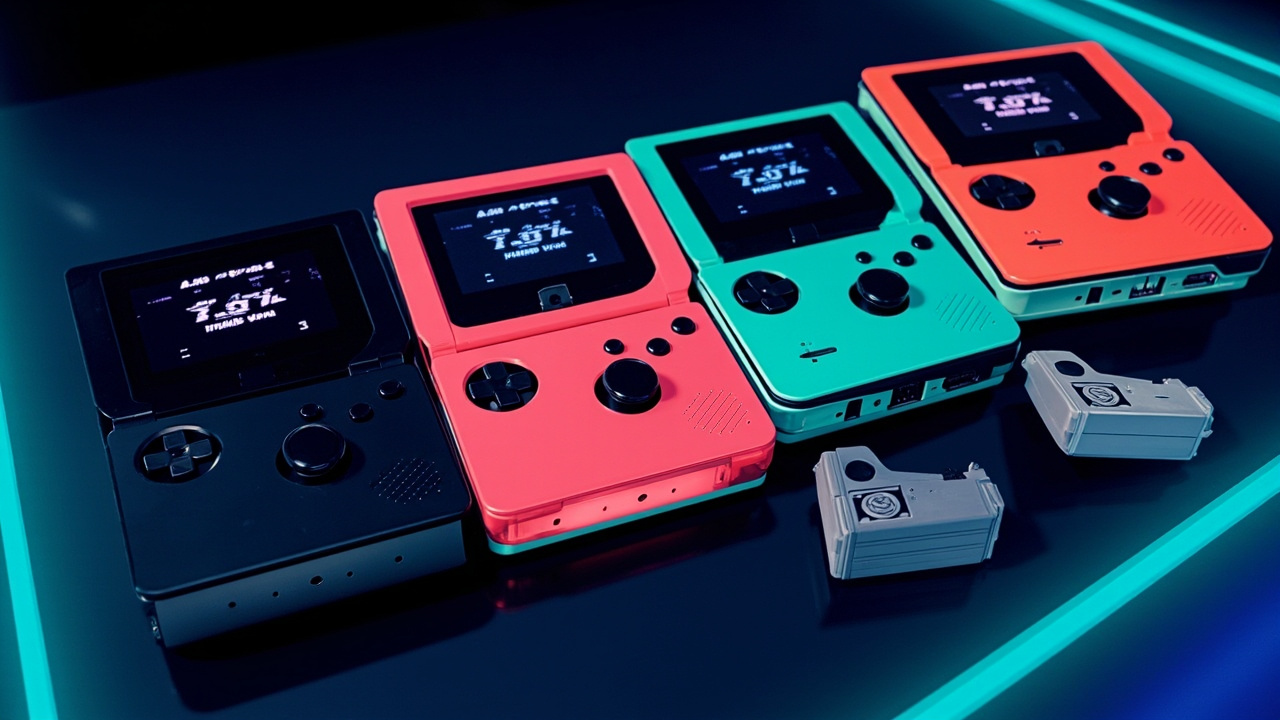
Anbernic has officially pulled the wraps off the RG SP, the newest device in its expanding catalog of Game Boy Advance SP-styled emulation handhelds. The company is positioning the unit as a tribute to the 16- and 32-bit 2D gaming heyday, marketing the device around the pitch: “Relive The Pure Joy Of The 2D Golden Era.”
Headlining the hardware is a 3.4-inch display running at 720×480 resolution, paired with a deliberately sticks-free control layout. The omission of analog thumbsticks signals that Anbernic is courting retro gamers who primarily chase 8-bit, 16-bit, and GBA-era experiences rather than N64, Dreamcast, or PSP libraries where dual-stick play becomes essential.
Built on a Familiar Formula
The RG SP is the third chapter in a short but prolific story. In 2024, Anbernic launched the RG35XX SP, a Linux-based clamshell that quickly earned a reputation for nailing the GBA SP aesthetic at budget-friendly pricing. A year later came the RG34XX SP, which preserved the same internal performance while adding sunken dual joysticks to broaden its library compatibility. The new RG SP swings the pendulum back toward minimalism, stripping out the sticks in favor of a cleaner D-pad-and-face-button setup that more faithfully mirrors the original Nintendo layout.
That stripped-down approach is also a marketing statement. By removing the analog sticks, Anbernic is telling buyers exactly what the device is for: 2D, button-mapped, d-pad-driven play, with no compromise toward 3D console emulation where dual-stick input would be mandatory.
Why a GBA SP Clone Still Matters
For retro enthusiasts, the GBA SP silhouette carries real cultural weight. Nintendo’s original 2003 clamshell solved a generation of complaints about the original GBA’s washed-out, unlit screen by tucking a front-lit panel into a pocketable, flip-top shell. It quickly became the definitive way to play the GBA’s library on the go, and its form factor has remained a touchstone for handheld industrial design ever since. Modern manufacturers chasing that look are not just selling nostalgia; they are selling a form factor that has already proven itself across hundreds of hours of 2D play.
Anbernic’s clamshell experiments have also helped legitimize the budget emulation handheld category over the last several years. Devices in the RG35XX family proved that affordable Linux handhelds could deliver polished performance for systems up through PlayStation 1 and a wide swath of arcade boards, with active communities, custom firmware, and curated frontends. The RG SP appears to lean into that audience while doubling down on the original GBA SP ethos: portable, simple, and built for 2D.
Full specifications, pricing, and a release window for the RG SP have not been disclosed at the time of writing. More details are expected to surface as Anbernic ramps up its promotional cycle, and the RetroArcade news section will continue to track updates as they land.
Source: Time Extension