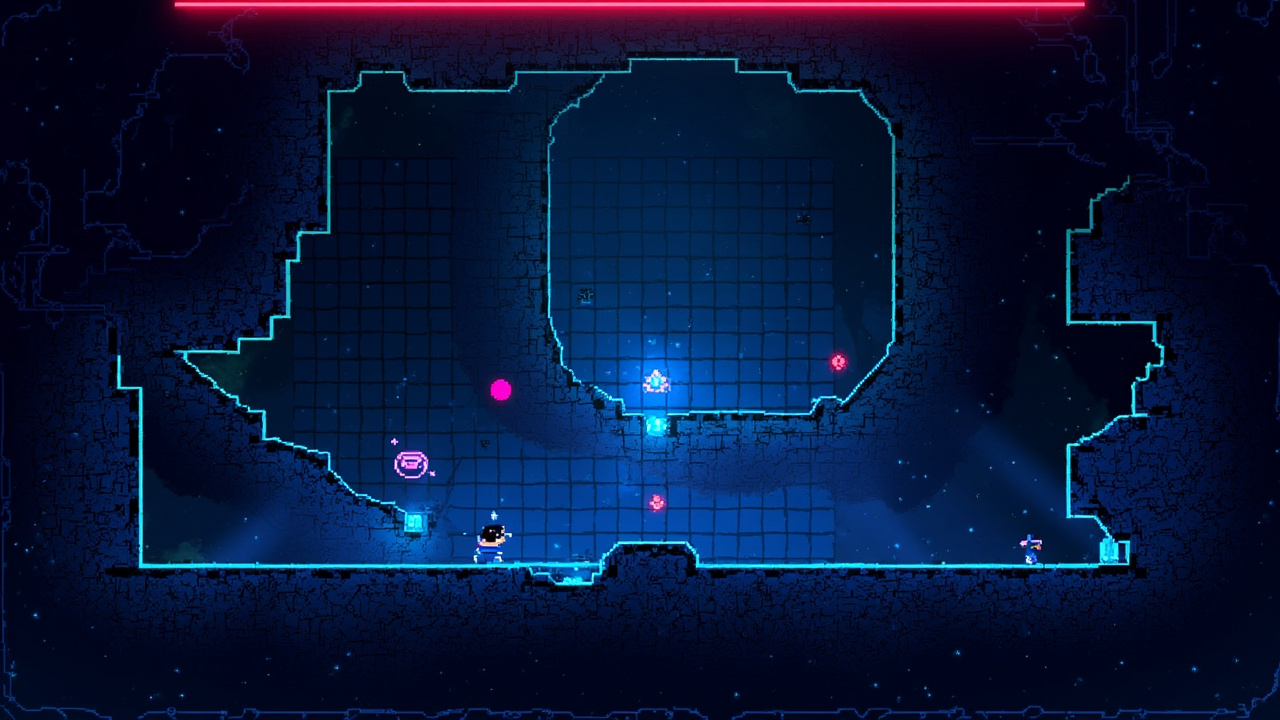
The Commodore 64 is gaining a fresh arcade action release this week, built by two developers whose résumés trace back through some of the most influential British studios of the 8-bit and early 3D eras. Thin Ice arrives digitally on July 22nd, 2026, with development led by Christian Shrigley and Terry Lloyd.
Both developers previously worked at Gremlin Graphics, the Sheffield-based publisher behind a long list of fondly remembered home computer titles including Bounder, Bulldog, Re-Bounder, Future Knight, and Skate Crazy. After their time at Gremlin, each moved on to Core Design, the Derby studio that would go on to launch the Tomb Raider franchise. Thin Ice marks a return to the 8-bit platform where both careers effectively began.
Why This Release Matters to the Retro Scene
Active development for the Commodore 64 has never truly stopped, even four decades after the hardware first hit shelves. A small but loyal community of hobbyists, coders, and demoscene veterans continues to produce new software for the machine, often distributed digitally through modern storefronts and dedicated retro channels. Shrigley and Lloyd’s entry into that ecosystem carries extra weight given the studios they once represented.
Gremlin Graphics, founded in 1984, carved out a reputation across home computers and arcade boards with a diverse catalogue spanning platformers, racing games, and licensed sports titles. The company was later absorbed into Infogrames, eventually folding into the broader Atari family of properties. Core Design, founded a few years later, built its own legend before being restructured under Eidos Interactive, leaving behind one of the most recognizable adventure franchises in gaming history.
The Thin Ice creators describe the game as a “fun new arcade action experience,” and its digital-only release keeps the barrier to entry low for anyone with an emulator, a flash cart, or original hardware still hooked up to a working display. For retro enthusiasts keeping tabs on modern 8-bit productions, the pedigree alone makes this one worth following. Coverage of the release and additional details are available through Time Extension’s report, and RetroArcade’s News section will continue to track notable retro hardware releases as they surface.
Source: Time Extension