Nintendo has rolled out a limited-time discount on its cardboard Virtual Boy headset at select retail locations, stacking the price cut directly on top of next week’s planned expansion to the Nintendo Classics service.
The promotion, announced this week, hands retro-curious shoppers a chance to grab the DIY cardboard kit at a reduced price for a short window. Nintendo has not specified which stores are participating or how long the deal will last, leaving interested buyers to track availability locally.
Why It Lines Up With the Classics Drop
The discount lands just ahead of Nintendo’s broader Virtual Boy push, which will see two previously unreleased titles from the platform’s development era join the Classics catalog next week. For collectors and nostalgia-driven gamers who skipped the original 1995 launch—or who simply want a hands-on way to experience Nintendo’s earliest 3D experiment—the headset doubles as both a curiosity and a working display.
Pairing a hardware promotion with a software drop is a familiar Nintendo playbook, and the timing suggests the company is leaning into renewed interest in one of its strangest experiments.
Background: A Console Ahead of Its Time
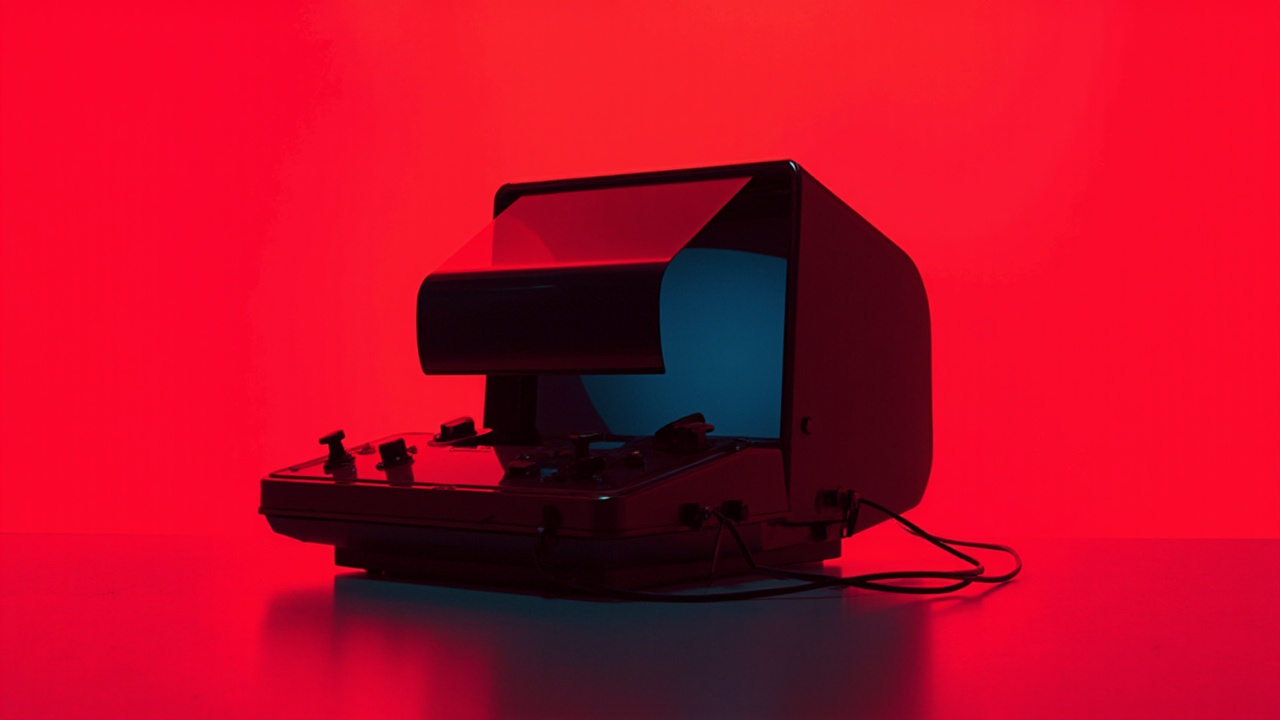
The Virtual Boy debuted in 1995 as Nintendo’s first stab at stereoscopic 3D gaming, using a tabletop binocular rig powered by red LEDs. It was developed under Gunpei Yokoi, the engineer behind the Game Boy, and was positioned as a stationary tabletop device rather than a true handheld. The system launched with a small library and was pulled from shelves within months, undone by tepid sales, complaints about its monochrome red display, and lingering concerns about eye strain.
Despite the commercial stumble, the Virtual Boy has enjoyed an unusually long afterlife in retro circles. Unreleased prototypes and canceled games from its development cycle have surfaced periodically, and Nintendo has slowly begun incorporating the platform into its wider retro revival strategy. The cardboard headset, introduced more recently as a low-cost accessory, lets fans recreate the binocular silhouette of the original without tracking down the bulky vintage hardware.
With two more unreleased titles about to enter the official Nintendo Classics lineup, the headset deal offers a budget-friendly entry point for anyone wanting to sample—or revisit—the unusual system that helped lay the groundwork for Nintendo’s eventual jump into portable 3D with the 3DS more than a decade later. Retro fans interested in more Nintendo Classics updates can follow our news section for ongoing coverage.
Source: Nintendo Life