Forty-three years after Nintendo rolled out the Famicom, one of the system’s earliest contributors is finally opening up about how nervous the whole project actually was. Hirokazu “Hip” Tanaka, widely known to retro gamers as Chip Tanaka, shared his memories with Famicom magazine as the console marked its anniversary, and the picture he paints looks nothing like the confident corporate myth that has built up around the machine.
According to a Time Extension report on the anniversary interview, Tanaka recalled that the mood at Nintendo before the Famicom hit Japanese store shelves was anything but certain. The popular shorthand today suggests Nintendo always knew it had a winner, but Tanaka’s account pushes back hard against that reading. One line from his reflection stands out: “There was no other path but this one.” The remark hints at a team pushing forward on conviction rather than certainty.
Why The Launch Wasn’t The Sure Thing People Remember
The Famicom arrived in Japan in 1983, riding the wave of Nintendo’s arcade hits including Donkey Kong and Mario Bros. It was the moment the company formally pivoted from a playing card and amusement manufacturer into a home console contender, and the stakes could not have been higher. The hardware would eventually be repackaged for Western audiences as the Nintendo Entertainment System two years later, a version that rescued the home console market in North America after the crash that gutted the competition.
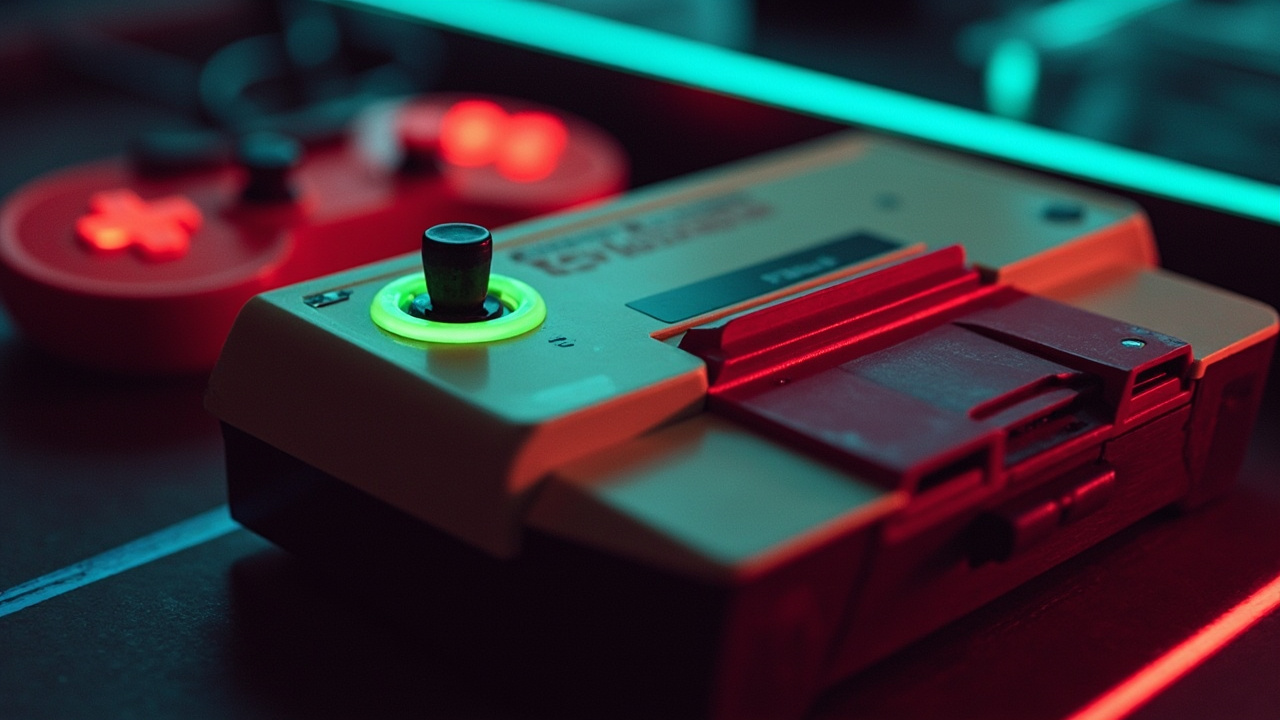
The retail environment behind that 1983 Japanese launch was rough. Home consoles had disappointed buyers for years, and the lingering effects of the North American industry collapse had chilled retailers overseas as well. For Nintendo to ship a cartridge-based machine with a custom processor, a memorable red and white shell, and a front-loading cartridge door was a genuine gamble rather than a coronation.
What Tanaka’s Voice Adds To The Retro Record
Tanaka’s perspective carries extra weight because he was there for the sound design that defined the machine. His work on the Famicom startup chime and the early library of game audio helped establish the sonic vocabulary of an entire console generation, and his later composition credits would stretch across decades of Nintendo releases. Hearing him describe a launch shaped more by gut feeling than by market research gives retro fans a rare ground-level view of how the 8-bit era actually began.
The Famicom would, of course, go on to anchor one of the most important software libraries ever assembled, eventually spawning Super Mario Bros., The Legend of Zelda, and Metroid. That towering legacy makes it easy to forget how thin the line was between the Famicom becoming a footnote and becoming the foundation of modern console gaming. Tanaka’s memory is a useful reminder that the retro gaming history enthusiasts celebrate was built on a series of nervous bets, not a preordained victory march.
For collectors still hunting down boxed Famicom carts and arcade-era Nintendo memorabilia, that kind of candor is part of what keeps the era fascinating. The hardware’s place in history is secure, but stories like Tanaka’s show that the people who made it were never quite sure it would end up there.
Source: Time Extension