
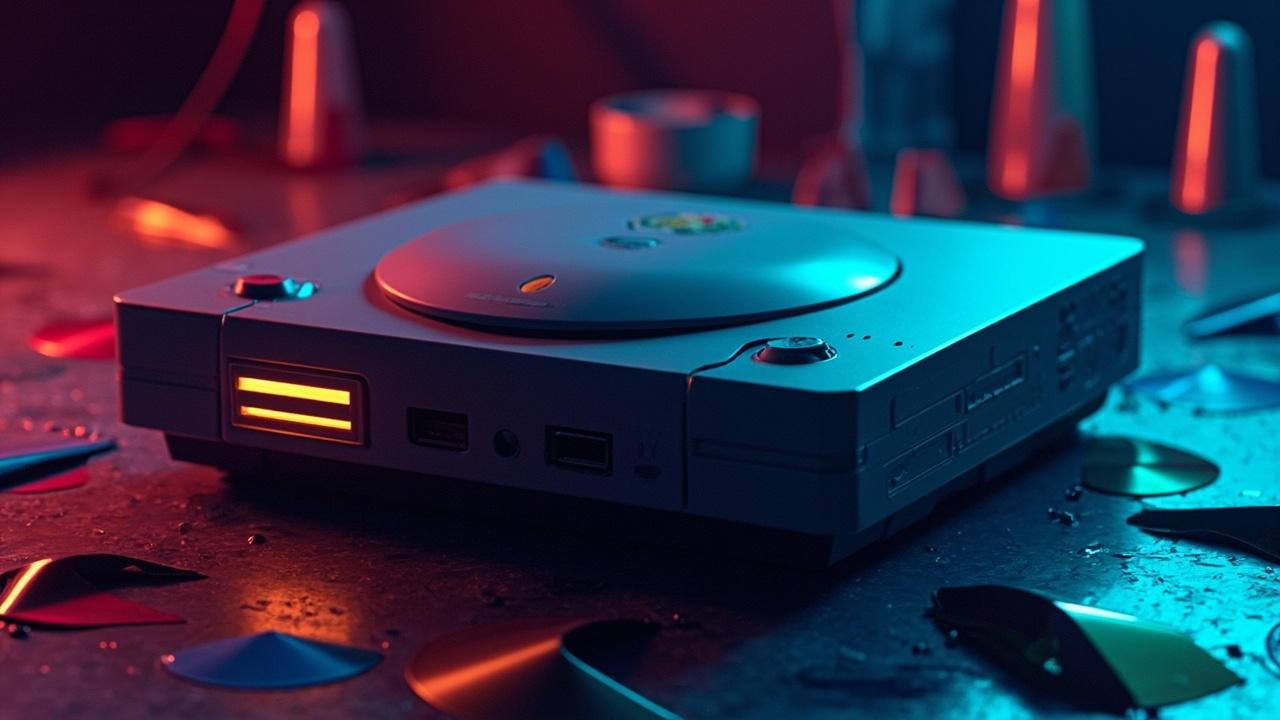
A new two-part deep dive from Time Extension is shedding light on an unlikely chapter in console history: the role that factory-pressed counterfeit discs played in helping the original PlayStation dominate the South African market during the late 1990s.
According to the feature, the bootleg discs circulating in South Africa were not cheap home-burned CDs. As the article notes, “these discs were pressed in a factory.” That distinction matters: counterfeiters operating in the region had access to industrial disc-pressing equipment, producing discs that could pass casual inspection and run on standard retail PlayStation hardware.
The piece is the second installment of a series tracing the history of video games in South Africa. The author, who emigrated to the UK in 1995, draws on the recollections of local historian Paul Loubser to reconstruct the post-1995 era. The article also cross-references work by researcher Joshua Rogers and other sources to build a fuller picture of a fragmented and regionally varied market.
Why Bootlegs Mattered in South Africa
South Africa’s console market during the 1990s operated under conditions that made legitimate imports difficult and expensive. High import duties, currency volatility, and limited official distribution combined to push retail prices for imported PlayStation games well beyond what many households could comfortably afford. Against that backdrop, cheap counterfeit discs flooded local markets, giving players access to a deep library of titles they otherwise could not buy.
The result, the feature argues, was an unusual paradox: piracy helped build the installed base of the PlayStation itself. Players who could never have afforded a growing library of licensed games still bought the console, then fed it with affordable bootleg discs. The arrangement effectively turned the PlayStation into the de facto home console of an entire generation of South African gamers.
A Familiar Pattern in an Unusual Market
Counterfeit cartridges and discs were hardly unique to South Africa. Similar dynamics played out across Latin America, Eastern Europe, and parts of Asia, where systems like the Sega Mega Drive, the Super Nintendo, and the original PlayStation all benefited from unofficial distribution networks that expanded their reach. Sony’s first console, launched in 1994 in Japan and 1995 in the West, went on to become the best-selling console of its generation worldwide, eventually surpassing 100 million units sold.
What makes the South African case distinctive is the industrial scale of the disc-pressing operation and the willingness of mainstream consumers to treat counterfeit software as their primary way of playing the system. The Time Extension feature pieces together how that ecosystem functioned, who ran it, and how it shaped gaming culture in the country for years to come. The full piece pairs with an earlier installment covering the period before 1995, and retro gaming fans interested in how regional economics shaped hardware adoption can read both at Time Extension.
For more retro gaming coverage, browse the RetroArcade news section.
Source: Time Extension