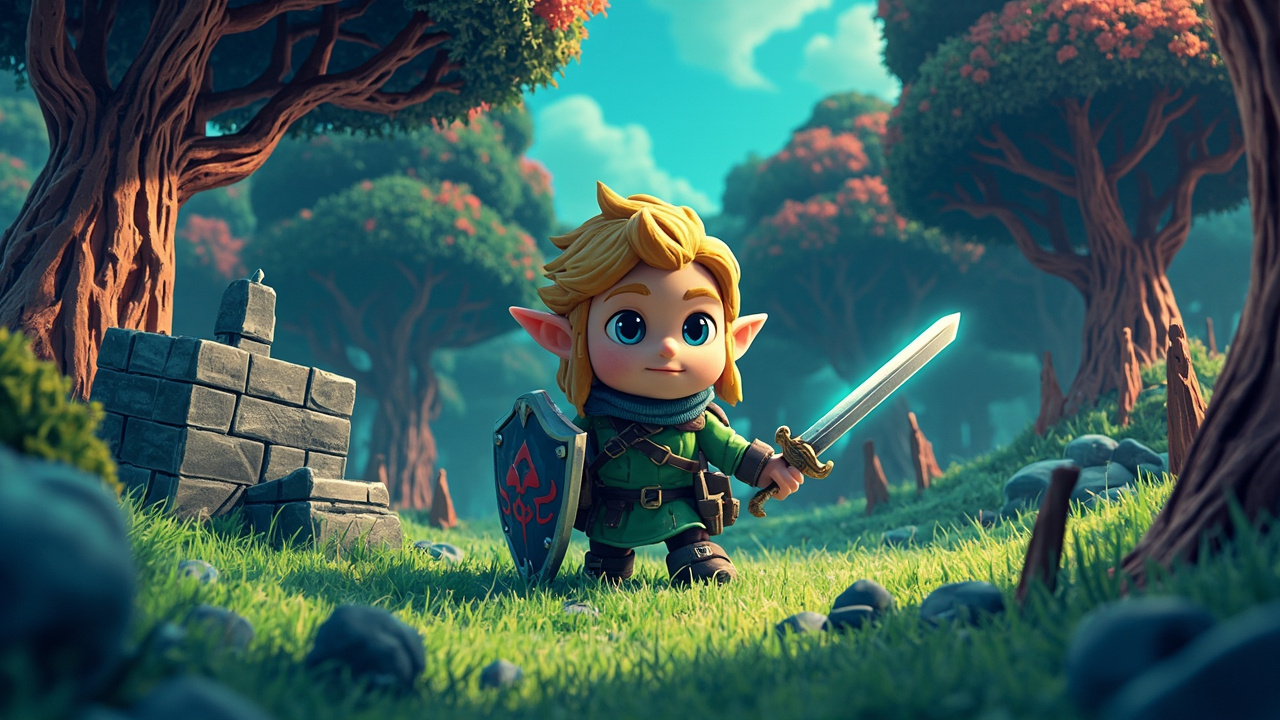
Nintendo closed out mid-July with a question on plenty of retro-minded minds: is the house of Mario overdoing it with remakes? The spark comes from the publisher’s 2026 release slate, which now includes new versions of both Star Fox and The Legend of Zelda: Ocarina of Time. Back-to-back re-releases from one of gaming’s most catalog-rich companies have reopened a long-running argument about how much recycling is too much.
A Familiar Pattern, Three Decades Deep
The current conversation echoes complaints that have surfaced across generations of Nintendo hardware. The company’s first major nostalgia flex came in 1993 with Super Mario All-Stars on the Super Nintendo, which bundled four NES Mario titles into a single 16-bit cartridge. That set the template: take a beloved back catalog, polish it for the current machine, and sell it again.
From there, the remake muscle kept flexing. Metroid: Zero Mission arrived on the Game Boy Advance in 2004, delivering a full reimagining of Samus Aran’s 1986 NES debut. The same year brought Pokémon FireRed and LeafGreen, modernized recreations of the original 1996 Game Boy adventures. More recently, the Switch received a full-color rebuild of the 1993 Game Boy classic The Legend of Zelda: Link’s Awakening in 2019, proving the company’s appetite for high-profile remakes has not slowed in the modern era.
Why the 2026 Slate Stings
The 2026 wave cuts deeper for longtime fans because both titles carry heavy nostalgia weight. The original Star Fox was a 1993 SNES showcase built around the experimental Super FX chip, while Ocarina of Time arrived in 1998 as a launch-era landmark for the Nintendo 64 and helped define 3D adventure design. Seeing both surface in the same calendar year has some readers arguing that the spotlight should be on new IP rather than refurbished classics.
Others counter that polished remakes give newcomers a clean entry point to genre-defining experiences, and that revenue from re-releases helps fund original projects elsewhere on the schedule. Nintendo Life’s editorial team framed the moment as a fair prompt for readers to weigh in, acknowledging that the company has been building toward this kind of remake-heavy year for some time.
For retro arcade enthusiasts tracking Nintendo’s commercial rhythm, the larger takeaway is continuity. The same company that packaged its own NES hits for the SNES is now repackaging its N64 and Game Boy eras for current hardware. Whether 2026 feels like a feast or an overload, the strategy itself is anything but new. For ongoing coverage of the publisher’s moves and the wider retro scene, keep an eye on the RetroArcade news section.
Source: Nintendo Life