Cinemaware’s 1986 sword-and-shield epic Defender Of The Crown is getting a remaster ahead of its 40th anniversary, with the development team telling Time Extension that the rebuild is being handled with reverence for the source material.
In the interview, the team offers a glimpse into the remaster project, framing the work as a tribute to a title that helped define a generation of home computer gaming. “Our idea was to preserve the spirit,” the team explained, speaking with the publication about the challenges of touching up a classic.
A Game That Changed The Amiga Scene
Defender Of The Crown debuted on the Commodore Amiga, designed by Kellyn Beeck, with detailed pixel work from James D. Sachs and a sweeping original score from Jim Cuomo. The title leaned heavily on atmosphere and presentation, taking advantage of the Amiga hardware with lush illustrations, dramatic in-game sequences, and a cinematic-style soundtrack that few home computer releases of the period attempted.
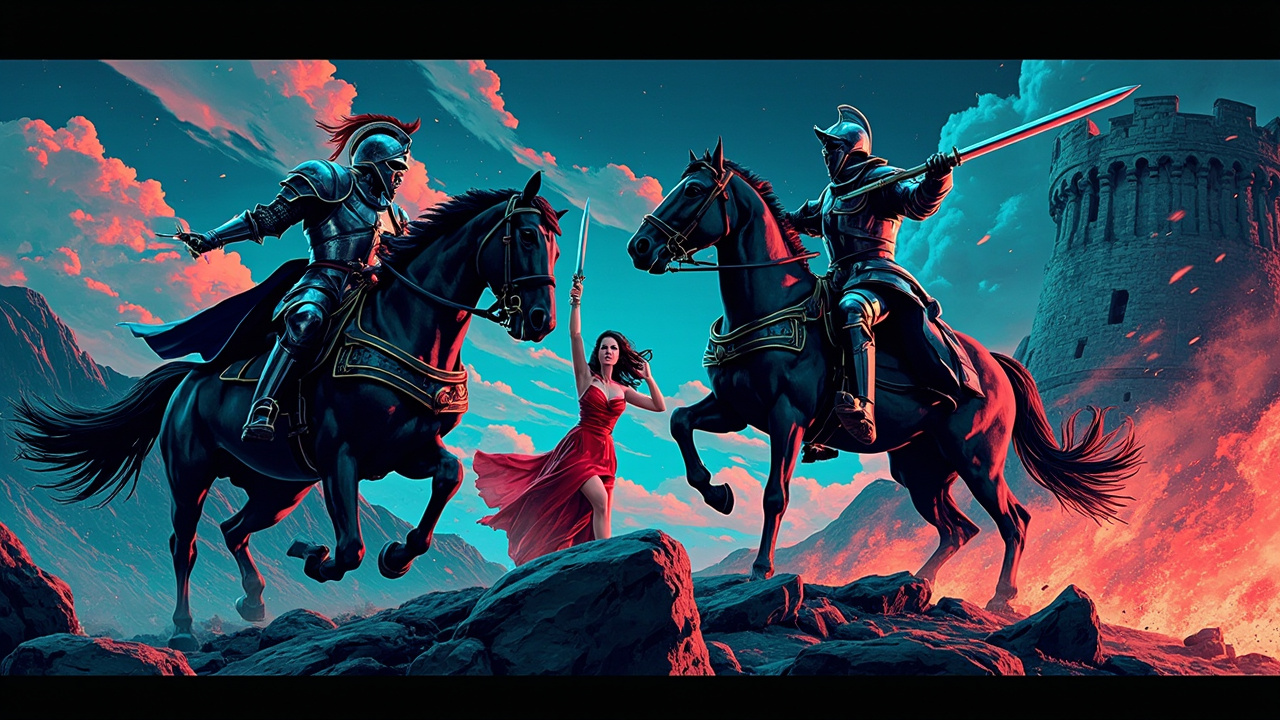
The game cast players as competing Saxon or Norman lords scrambling for control of medieval England. Combat unfolded through one-on-one sword duels, jousts, and castle sieges, punctuated by illustrative interludes that gave the proceedings an almost theatrical feel. Looking back, the title is widely remembered as one of the earliest examples of an “interactive movie” on home computers — a description the Time Extension piece echoes in framing the team’s ambitions.
Why It Still Matters
Defender Of The Crown arrived at a turning point for home gaming. The mid-1980s Amiga market was hungry for releases that pushed beyond the limits of cartridge-era consoles, and the game delivered a kind of glamour that felt genuinely new — sweeping landscapes, dramatic swordplay, and a sense of historical weight rarely found on desktops of the era.
Its influence rippled well beyond 1986. The title was ported to a string of competing platforms over the following years, including the Atari ST, Commodore 64, IBM PC compatibles, and a handful of later consoles, spreading Cinemaware’s cinematic sensibilities to audiences that never touched an Amiga. For retro enthusiasts, the game endures as a touchstone — proof that storytelling and visual flair could carry a release long before polygon counts and high-definition cutscenes became standard.
That a remaster is arriving four decades later speaks to both the affection the original commands and the patience of its custodians. Specific platforms, pricing, and a release window for the rebuilt edition have not yet been disclosed in the interview, but retro fans will want to keep a close eye on further announcements as the milestone approaches.
Source: Time Extension