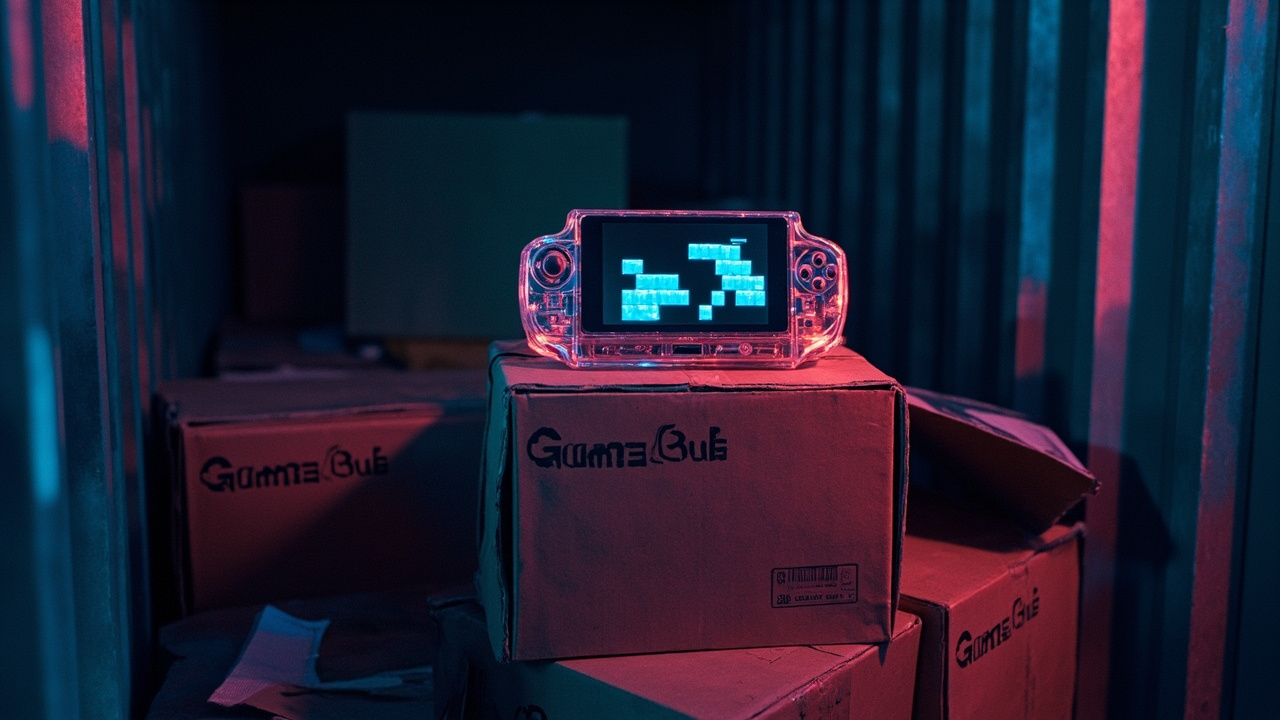
The Game Bub, the open-source handheld that first drew attention in the retro gaming community in late 2025, has officially started shipping to buyers. Coverage of the device dates back to October 2025, when it was first highlighted as a fully open-source portable gaming machine. After nearly a year of anticipation, units are now on their way to customers.
The shipping milestone matters because the Game Bub stands out in a crowded field of retro-focused handhelds by leaning fully into open-source hardware. Where most retro handhelds ship as closed commercial products, an open-source design invites hobbyists to inspect, modify, and rebuild the device, which appeals directly to the tinkering side of the retro gaming scene. For collectors and preservationists who like to understand the guts of their hardware, that level of transparency is unusually appealing.
Why Retro Fans Should Care
Open-source hardware has long been a niche corner of the broader retro market, which for decades has been dominated by closed-form-factor consoles and emulation-focused handhelds. A finished, shipping product with open documentation signals that the category is maturing beyond hobby prototypes. Enthusiasts who want to study how a portable game machine is assembled can treat the Game Bub as a reference design, while casual players can simply enjoy a new option in the handheld market. Either way, the device broadens the conversation around what a retro handheld can be.
For more coverage of new hardware and software hitting the retro scene, the RetroArcade news section tracks ongoing launches and shipping milestones.
A Brief History of Retro Handhelds
The handheld gaming market traces back to 1989, when Nintendo released the original Game Boy in Japan, kicking off decades of portable play. Since then, the category has cycled through dozens of designs, from dedicated LCD toys in the late 1990s to modern FPGA-based consoles capable of playing original cartridges from multiple classic systems. Open-source hobbyist handhelds, often built around single-board computers, have circulated in maker communities for years, but consumer-grade commercial releases have been rarer. The Game Bub’s arrival as a shipping product represents a notable step in bringing that open ethos to a wider audience of retro players.
As units begin landing with buyers, the project’s longer-term impact will depend on how the community engages with the underlying documentation and schematics. What is already clear is that the handheld has crossed an important threshold, moving from prototype to delivered product, and the retro scene is watching closely.
Source: Retro Dodo