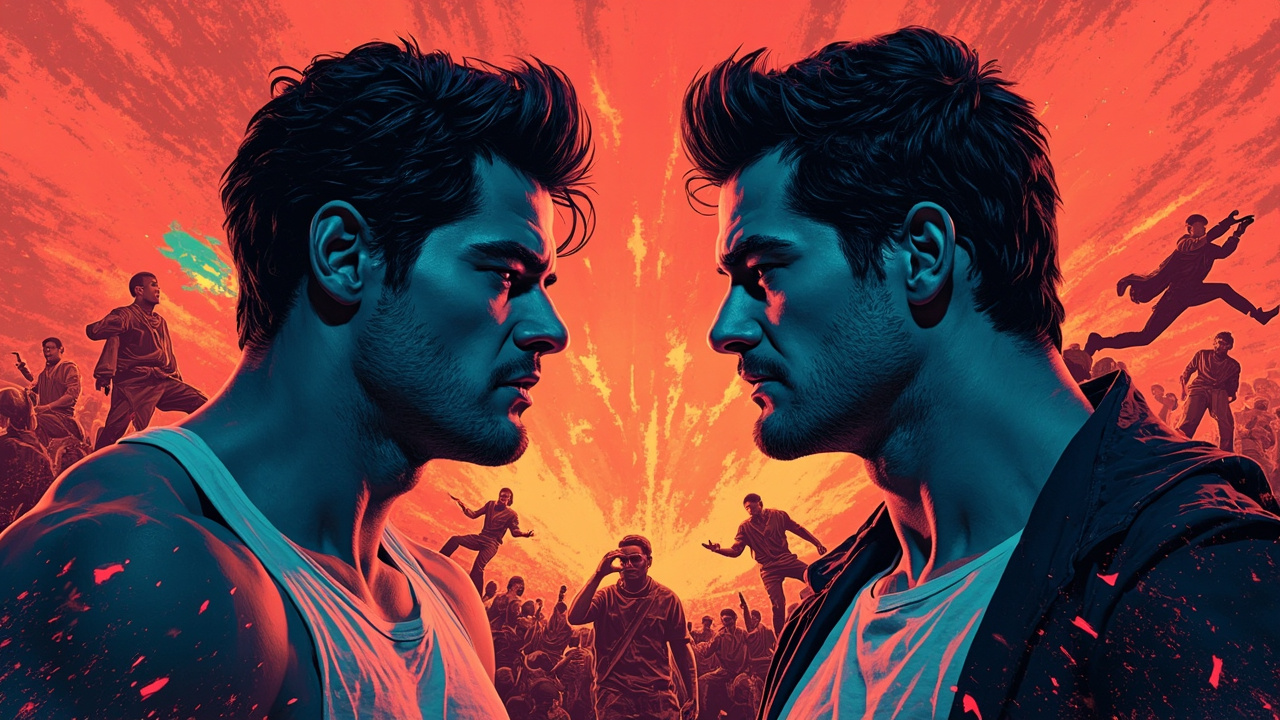
A homebrew developer is asking a question retro enthusiasts have debated for decades: what would Final Fight have looked like on the Super Nintendo had Capcom delivered a faithful conversion? The ongoing project, described by its creator as “an experiment to answer that question,” aims to rebuild Capcom’s arcade brawler on the SNES with the scope and features missing from the 1990 retail release.
When the SNES launched in North America, securing the first home console port of Final Fight was a notable feather in Nintendo’s cap. The original arcade game, released by Capcom in 1989, had become a defining entry in the beat-’em-up genre alongside the company’s earlier Street Fighter titles, and bringing it home was a genuine coup. But the conversion that actually shipped was, in retrospect, a heavily compromised one. The SNES version limits players to just two selectable characters, Cody and Haggar, while trimming several stages that defined the arcade experience. Most painfully for fans of the original, the two-player cooperative mode was removed entirely, stripping out one of the genre’s most enduring social features.
Why the Original Port Still Grates
For retro collectors and beat-’em-up devotees, the SNES version of Final Fight has long stood as a case study in how licensing, hardware considerations, and corporate priorities could distort an otherwise stellar arcade translation. Subsequent Final Fight releases and third-party efforts on competing hardware later demonstrated that the Super Nintendo was technically capable of running the full arcade game, which makes the omissions in the original port sting all the more. A homebrew attempt to reconstruct a faithful version therefore sits at the intersection of nostalgia, technical curiosity, and a desire for historical closure.
The broader homebrew scene has produced increasingly ambitious work in recent years, with developers squeezing capabilities out of classic hardware that were once thought impossible. From enhanced ports to entirely new cartridges, the community has become an unofficial preservation arm for systems whose official support ended long ago. A project that attempts to rebuild a beloved arcade title in the style of the era, running on actual SNES hardware or a compatible flash cartridge, fits comfortably into that tradition.
An Alternate Timeline, Rendered in Code
Of course, reconstructing a “faithful” Final Fight port raises questions that go beyond source code. The original SNES omissions were shaped by a mix of licensing concerns and Capcom’s broader plans for the franchise, which would eventually bring follow-ups like Final Fight 2 and Final Fight 3 to the same console. Whether a modern homebrew build can sidestep those historical realities, or whether it simply offers a glimpse of an alternate timeline the SNES never received, is part of what makes the experiment intriguing.
For arcade purists who cut their teeth on the original cabinet, the project offers a chance to see a long-imagined “what if” finally rendered in code. Even in its early stages, the work has already drawn attention from retro gaming communities eager to track its progress. Follow ongoing coverage in our news section as more details on the project’s scope, compatibility, and availability surface in the months ahead.
Source: Time Extension