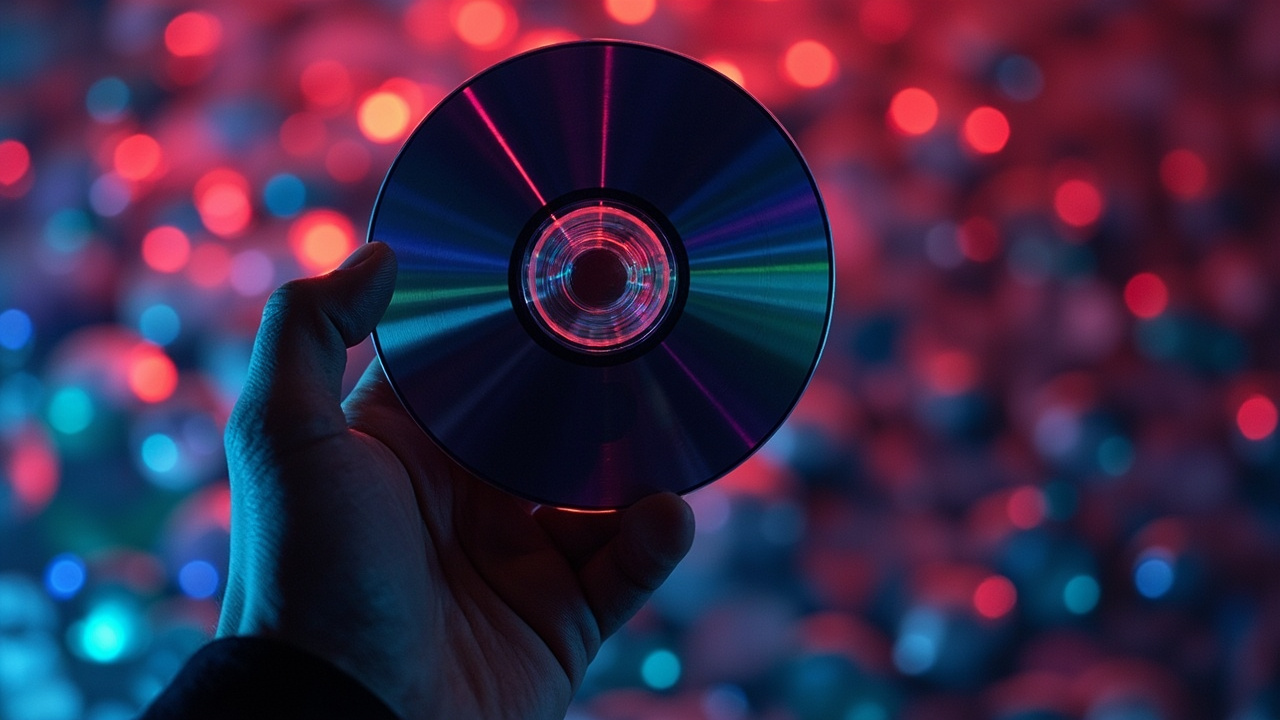
Owners of the MiSTer FPGA platform now have a fresh reason to dig through their storage bins: optical drive support has arrived, letting them load real physical discs on hardware cores for the PlayStation, Sega Mega CD, and TurboGrafx-CD. The functionality mirrors a feature that Taki Udon previously built into the optional dock for the SuperStation One chassis, but it has now been ported to the standalone MiSTer and MiSTer Pi ecosystems with nothing more than an external USB optical drive.
For collectors who built up libraries during the CD-ROM boom of the 1990s, this addition closes a longstanding gap. MiSTer setups have long been celebrated for their cycle-accurate FPGA recreations of classic hardware, but until now users were largely confined to digital image files when running disc-based cores. Adding genuine disc playback means faster loading of personal collections, easier disc-swap workflows for multi-disc titles, and the satisfaction of watching a physical laser hit a physical disc — all from a single flexible platform.
Why It Matters for Retro Enthusiasts
The appeal of FPGA over software emulation has always been its hardware-level approach: rather than running code that mimics a console on a general-purpose processor, an FPGA is reconfigured to behave like the original silicon itself. That philosophy pairs naturally with physical media, because the original hardware was designed around the quirks of a spinning disc. Running an authentic optical drive into the FPGA setup keeps the full chain intact, from the printed label on the spindle to the controller in the player’s hand.
For arcade and console preservationists, this also lowers the friction for showcasing rare or region-locked titles. A disc that exists only as a one-of-a-kind physical artifact can now be demonstrated without resorting to optical-drive-equipped original consoles that may themselves be aging and increasingly difficult to service. Coverage of related retro hardware launches and platform updates is collected in the RetroArcade news section.
A Brief Look Back at the CD Era
The three consoles now supported represent the first wave of mainstream CD-based home gaming. The TurboGrafx-CD, launched in the late 1980s in Japan as the PC Engine CD-ROM², was an early experiment in pairing a cartridge-based console with a CD add-on. Sega followed with the Mega CD in the early 1990s, marketing the peripheral as a multimedia showcase with Red Book audio and full-motion-video ambitions. Sony’s original PlayStation arrived in the mid-1990s and ultimately defined the generation, leveraging the lower manufacturing cost of optical media to flood retail shelves with titles from studios both large and small.
Bringing optical-drive playback to MiSTer essentially reconnects today’s FPGA scene with that lineage. Hobbyists who grew up swapping jewel cases can now hear the unmistakable spin-up of an authentic drive before each session, while newcomers get an unfiltered look at how the medium actually behaved in the living room decades ago.
More coverage of FPGA projects, hardware revisions, and platform updates is tracked in the RetroArcade news hub.
Source: Time Extension