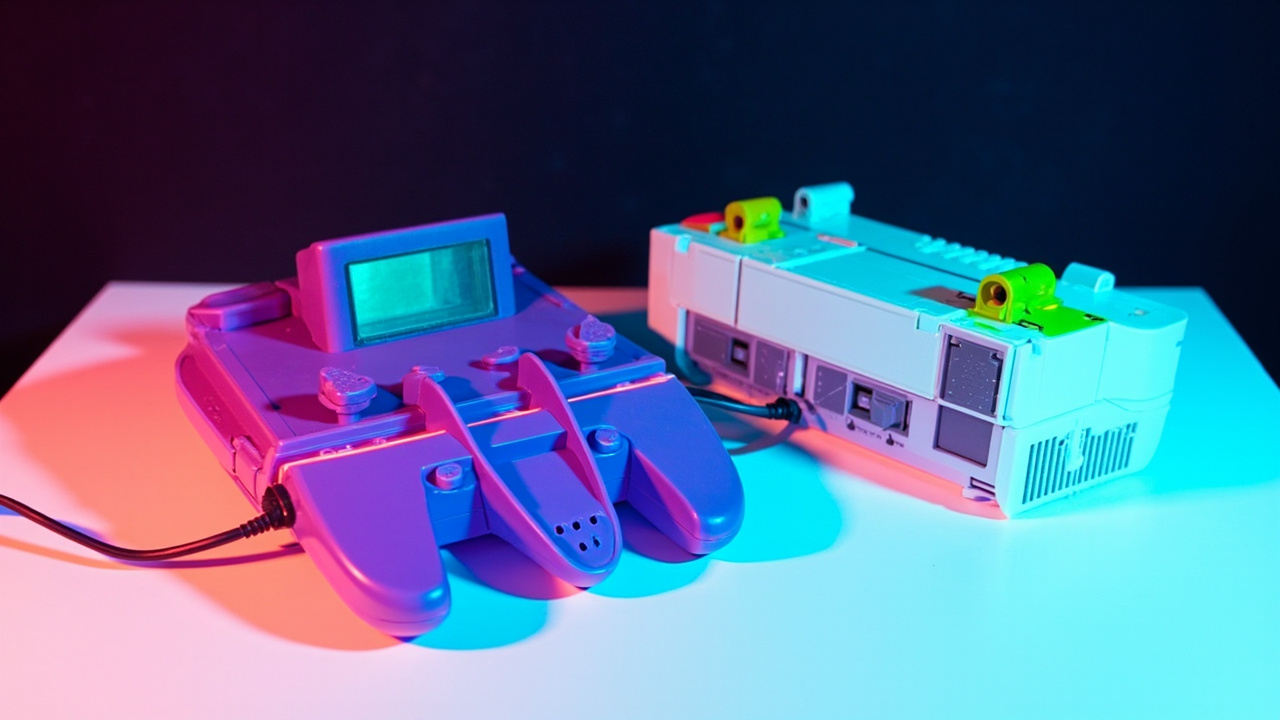
Retro Dodo has published a head-to-head comparison of the two flagship FPGA consoles built to play Nintendo 64 cartridges on modern displays: the ModRetro M64 and the Analogue 3D. The piece frames both machines as premium alternatives for collectors who want their original N64 library rendered cleanly without the compromises that come with software emulation.
The comparison arrives at a moment when the FPGA aftermarket has matured from a niche hobbyist pursuit into a small but serious category of high-end hardware. Analogue, the publication notes, was the first company to bring a mass-produced, premium FPGA console to market for cartridge-based systems, setting the template that competitors like ModRetro are now following. The M64 and the 3D both target the same audience: enthusiasts who already own a stack of original cartridges and refuse to settle for anything less than hardware-faithful playback.
Why FPGA Matters to N64 Collectors
FPGA, or field-programmable gate array, hardware reproduces a console’s original logic in silicon rather than running software emulation. For fans of the Nintendo 64, the appeal is straightforward: near-perfect timing, original control response, and clean output over modern HDMI connections without the input lag or visual artifacts that have historically dogged emulators. Both the M64 and the 3D position themselves as drop-in replacements for aging N64 hardware, many examples of which are now decades past their reliable service life.
Background: The N64 Era and Its Hardware Legacy
The Nintendo 64 launched in 1996 in Japan as the successor to the Super Nintendo and built its reputation on cartridge-based software, four-controller ports, and a roster of landmark titles ranging from Super Mario 64 to The Legend of Zelda: Ocarina of Time. Because the console relied on cartridges rather than optical media, original hardware has remained the most authentic way to experience its library, and that longevity has kept demand for working consoles unusually high. That demand, in turn, has fueled a wave of premium aftermarket hardware aimed at collectors who want original-cartridge fidelity without the yellowed plastics and failing power supplies of three-decade-old equipment.
Retro Dodo’s comparison examines both units across build quality, video output, controller compatibility, and software support. For readers weighing a first FPGA purchase, the latest news coverage of the M64 and Analogue 3D offers one of the more detailed side-by-sides published on the category to date.
Source: Retro Dodo