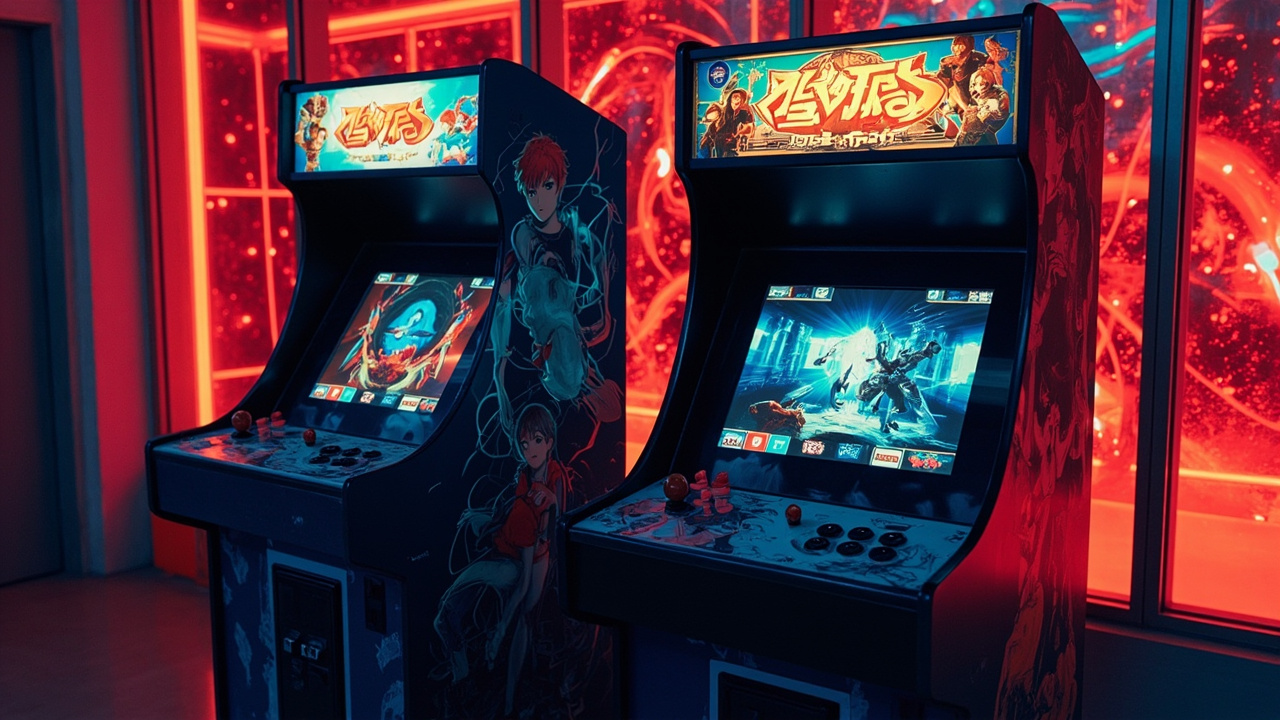
Two anime-flavored arcade titles have rolled out in Japan this summer, giving the country’s still-thriving location scene fresh draws at a moment when Western arcades are catching their breath. According to coverage from Arcade Heroes, One Piece Dawn Strike and Demon Slayer Kimetsu no Yaiba: Nichirin Battle Slash are now live on location in Japanese game centers. The two launches highlight how dramatically out of sync the global arcade release calendar has become, with Asia absorbing a steady cadence of new hardware while major Western releases have largely been pushed into the weeks ahead.
For American operators and players who depend on a slower trickle of imports, the news functions less as an immediate product announcement and more as a useful snapshot of what is likely heading west eventually. Japanese arcade launches have historically served as a preview channel for global rollouts, and the pattern repeats often enough that tracking the Tokyo lineup has become its own hobby for arcade enthusiasts.
Why Anime Licenses Still Dominate Japanese Cabinets
Anime tie-ins have been the lifeblood of Japanese arcades since the late 1990s, when publishers began treating location cabinets as marketing engines for ongoing TV series. Long-running franchises built the template that newcomers like One Piece and Demon Slayer now follow, with manufacturers typically refreshing the hardware, card systems, and competitive mechanics every few years to keep fans inserting fresh coins.
One Piece in particular has cycled through multiple arcade eras, ranging from earlier One Piece: Grand Battle and One Piece: Pirate Wars style cabinets to more recent licensed fighters and card-based experiences. Each generation tends to lean harder on spectacle, glossy character renders, and prize-winning mechanics tied to weekly location pickups. The franchise’s nautical adventuring theme has also given cabinet designers a ready-made excuse for elaborate marquee art, ship-themed seat surrounds, and treasure-crest signage.
What Nichirin Battle Slash Brings to the Table
Kimetsu no Yaiba, known internationally as Demon Slayer, has rocketed from breakout manga to one of Japan’s biggest entertainment exports since its 2019 anime debut, and arcade adaptations were always a matter of when rather than if. Slash-style combat lends itself naturally to motion-input cabinets, and the series’ color-coded sword techniques translate cleanly into ranked, button-mapped gameplay. Nichirin Battle Slash follows the playbook of earlier anime slashers that paired cel-shaded visuals with timed slashing challenges, leaning into the franchise’s distinctive breathing-form attacks as the marquee hook.
For retro-curious readers, the interesting wrinkle is how heavily these modern cabinets borrow from the visual grammar of 16- and 32-bit arcade brawlers while layering in network features that earlier generations of players could only dream about. The card readers, ranking boards, and prize unlocks on today’s Japanese floor are a direct evolution of the sticker-collection and high-score-passbook rituals that defined golden-age arcade culture.
Keeping an Eye Westward
None of the recent Japanese launches change anything immediately for North American operators, but they do set the agenda for the back half of summer. The same pattern played out with previous anime-licensed arcade waves, and distributors typically announce English-localized versions once the Japanese run has proven demand. Until then, dedicated fans in the West have a familiar set of options: import trips, location visits in Asia, or simply waiting for the inevitable stateside announcement. Both One Piece Dawn Strike and Nichirin Battle Slash now sit firmly on that watchlist, and the coming weeks should clarify when, or whether, either makes the jump across the Pacific.
Source: Arcade Heroes