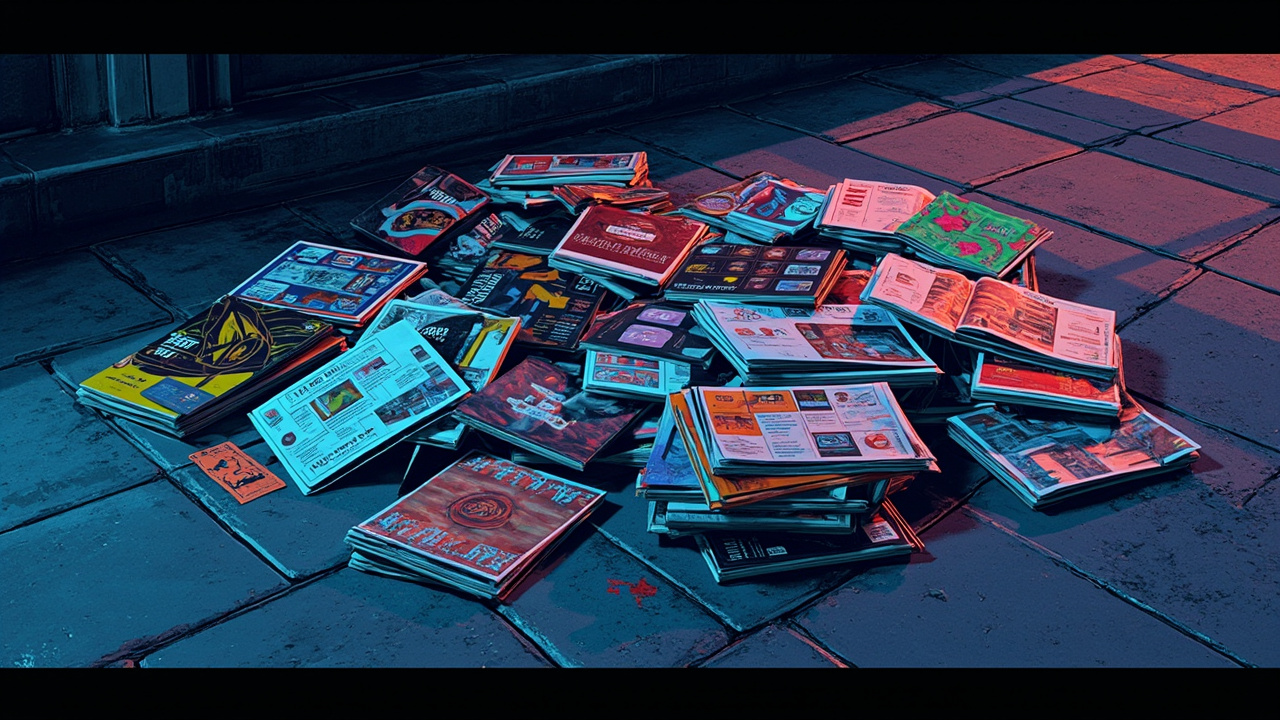
Retro Dodo has rolled out a new editorial feature examining how the printed game guide and cheat book went from a near-mandatory purchase for hobbyists to a near-extinct format, and what that disappearance means for the culture surrounding classic games.
The piece frames the genre as a lost art, cataloging the way these books shaped how an entire generation learned, mastered, and shared arcade and console titles long before broadband wikis, video walkthroughs, and algorithm-generated strategies existed.
Why Paper Guides Mattered to Retro Gamers
For players who grew up hauling quarters to the local arcade or waiting for a rental copy of the latest cartridge, a strategy guide was often the only reliable map through a brutally difficult title. Boss patterns, hidden rooms, password strings, and the secret warp zones tucked into side-scrolling platformers all lived between the covers of a thick paperback that typically cost as much as the game itself.
Cheat books served a different function. Where guides taught mastery, cheats sold power fantasies: invincibility codes, debug menus, level selects, and the famous Konami Code that became a cultural handshake between developers and fans. Together, the two formats formed an unofficial second shelf of the gaming library, consulted as often as the manual that came in the box.
From Newsstand Staple to Niche Relic
The golden era of the printed guide ran roughly from the late 1980s through the 2000s, when publishers such as Nintendo Power, Prima, Brady Games, and Piggyback competed to deliver the most lavish maps, developer interviews, and collector-friendly packaging. Game-specific guides often launched alongside a major release, and a strong cover could shift newsstand copies to readers who had not yet purchased the title.
The format began losing ground as internet adoption widened. Fan wikis, early message boards, and eventually dedicated walkthrough sites absorbed the market. Print runs shrank, then paused, then disappeared for all but the largest franchises. Today, only a handful of publishers still release physical guides, and most retro fans seeking old strategies rely on scanned PDFs, archive forums, or secondhand bookshops.
That scarcity is exactly what makes the format interesting again. Original printings of guides for landmark titles, from early NES and Genesis hits to arcade conversions, regularly command premium prices on the collector market, and reprinted anniversary editions have appeared for some of the more celebrated franchises. The cultural weight these books once carried is now part of the broader retro story, alongside the cartridges and cabinets that defined the era.
For readers who want to keep up with similar retrospectives and other retro gaming coverage, the RetroArcade news section continues to track features like this one.
Source: Retro Dodo