What Happened
The Washington Post has placed DOOM on its list of the 25 most influential works in American culture, selecting the 1993 first-person shooter to represent the 1986 to 1995 window. The game sits alongside an unusually eclectic lineup that includes “The Star-Spangled Banner,” Herman Melville’s Moby-Dick, and Levi’s Jeans, and it edged out other decade-defining entries such as The Simpsons, Spike Lee’s Do the Right Thing, and Seinfeld for its slot on the roster.
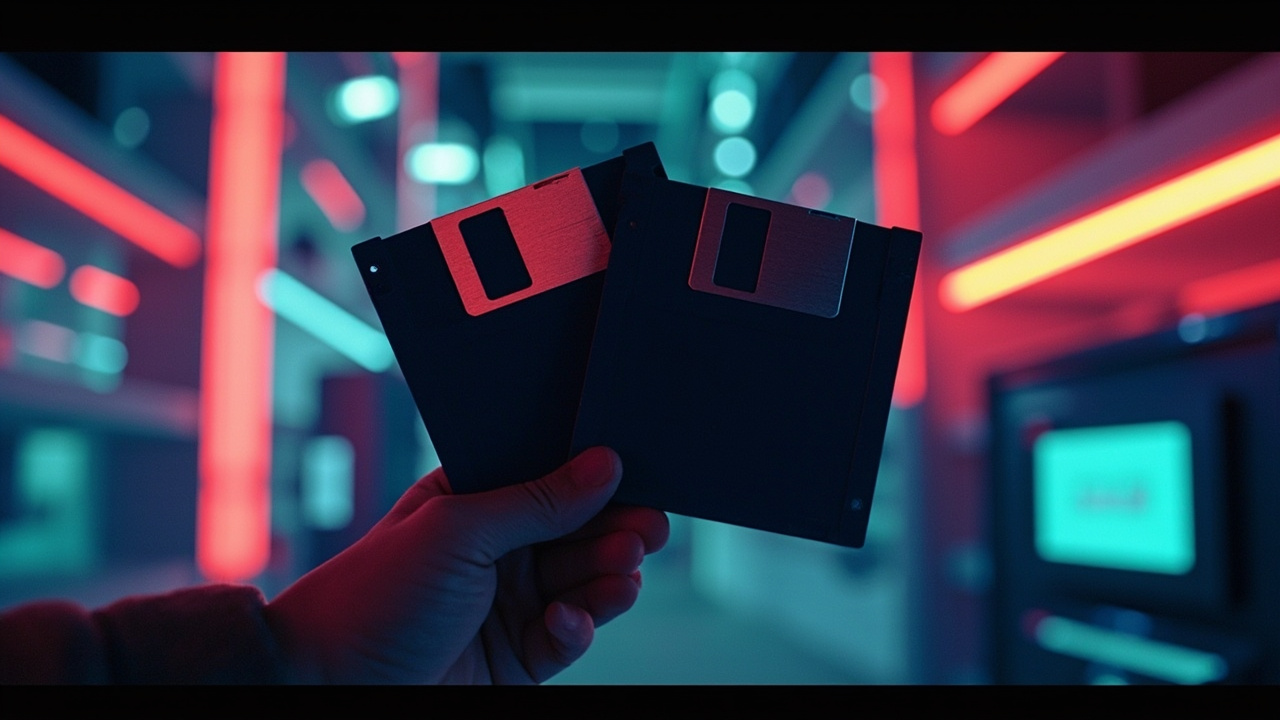
The selection, surfaced via Time Extension and originally spotted by PC Gamer, credits DOOM with a “foundational role in digital entertainment” — high praise from a mainstream publication whose list spans literature, music, fashion, and broadcast television. For a piece of shareware originally distributed on floppy disks, the placement is a striking step into the wider American cultural canon.
Why It Matters to Retro Fans
For the retro community, the recognition reads less as a surprise than as a long-overdue validation. DOOM did not simply sell well in its day; it restructured how games were built, distributed, and played.
Background on the title: id Software, founded in Dallas by John Carmack, John Romero, Tom Hall, and Adrian Carmack, had already reshaped corridor shooting with Wolfenstein 3D in 1992. DOOM, released the following year, pushed the formula further with textured environments, varied monster design, networked deathmatch, and the now-legendary freeware release of Episode One. That shareware episode effectively invented modern PC word-of-mouth marketing, flooding office bulletin boards and college dorms and pulling players into the full retail product through sheer demand for the sequel chapters.
The game’s technical DNA is still alive and well. id Software’s decision to release the DOOM source code in 1997 seeded an entire ecosystem of WAD files, total conversions, and source ports that keeps the title playable on everything from graphing calculators to modern gaming rigs. Decades of community work — DeHackEd patches, Brutal Doom mods, and contemporary source ports like GZDoom and Chocolate Doom — mean the original experience is more accessible now than at almost any point since launch.
That kind of grassroots longevity is exactly why a mainstream cultural list has room for a 1993 PC shooter. For longtime players who grew up fragging imps on 386 machines and dialing into LAN parties, the nod functions as official acknowledgment of something the arcade and PC crowd has argued since the shareware boom: that a single executable shipped on floppies rewrote the rules of an entire medium. The placement on this list cements DOOM’s status as both a retro landmark and a permanent fixture of the broader American story, and it gives fans another reason to revisit the latest retro news as the title’s cultural stock keeps climbing.
Source: Time Extension