Save Files That Travel Between Games
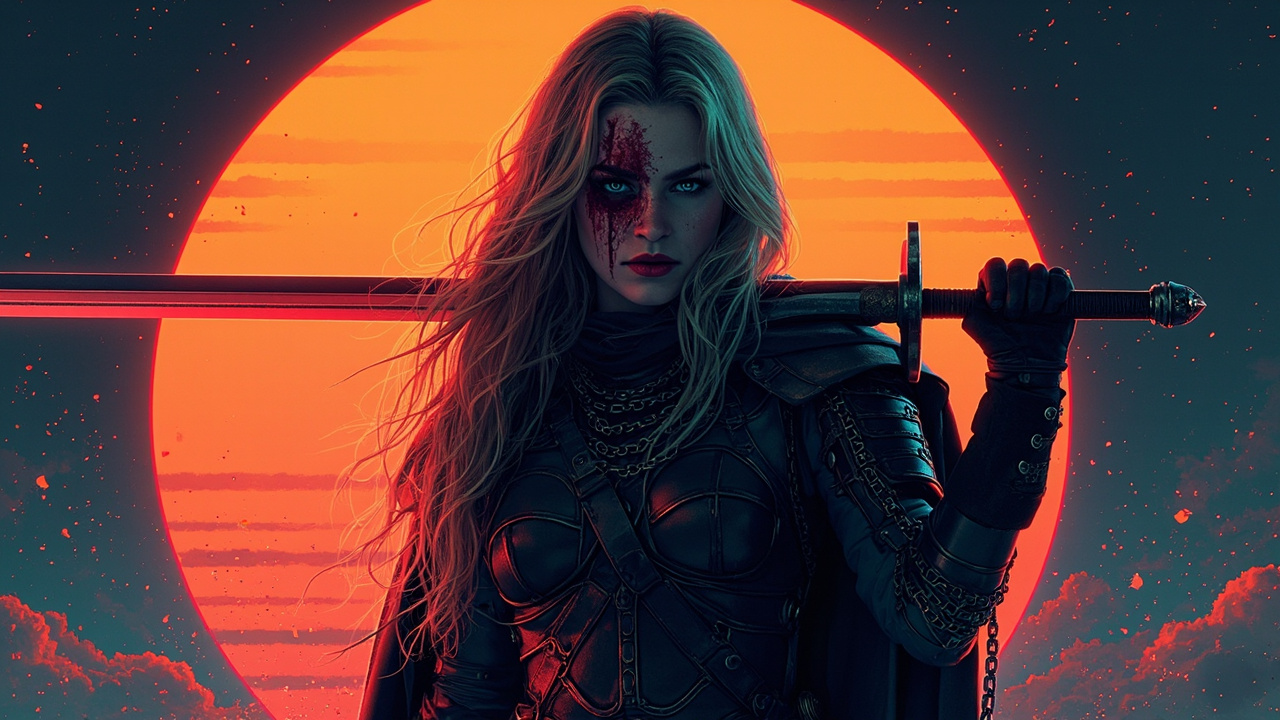
Rebel Wolves, the studio behind the medieval vampire RPG The Blood of Dawnwalker, has confirmed that players will be able to carry their save data into future installments of the franchise. Working with publisher Bandai Namco, the developer is positioning the upcoming title as the opening chapter of a longer saga rather than a one-off release. The decision places the Dawnwalker series alongside a small but influential club of role-playing franchises that reward long-term commitment with narrative continuity.
An Old Idea, Recharged
Save carry-overs are not a new trick. BioWare turned the mechanic into a signature feature with the original Mass Effect in 2007, then doubled down across Mass Effect 2 and Mass Effect 3, importing choices, relationships, and outcomes across years of in-game time. That blueprint shaped how Western RPGs handle continuity, and the Blood of Dawnwalker approach clearly echoes it: the first game lays the foundation, and each sequel builds on the player’s record.
For retro and arcade-minded readers, the appeal will feel familiar. Long-running franchises have always thrived on the promise that time invested today pays off tomorrow, whether that meant returning quarters at a cabinet, mastering a sequel’s new mechanics, or following a character across multiple disks. The arcade era framed that idea in coin-operated sessions; modern RPGs frame it in save files that follow a hero from release to release.
Time Leaps and the Long Game
Rebel Wolves has also hinted at time-leaping sequels, suggesting that the series will not simply continue one story but jump between eras within the same world. Combined with persistent saves, that structure could let a player start the first game and follow the consequences through radically different historical chapters. It is an ambitious framework for a new intellectual property, and it puts the studio’s narrative ambitions front and center.
For fans tracking the wider RPG landscape, the announcement is a reminder that some of the genre’s most enduring ideas, persistent saves, branching sequels, character memory across entries, are still doing heavy lifting in modern releases. The mechanics may have evolved far beyond the cartridge days, but the underlying promise has not changed: your decisions carry weight, and tomorrow’s game remembers them. For more coverage of role-playing and retro-inspired gaming, visit the RetroArcade news section.
Source: Eurogamer