This article contains Amazon affiliate links — as an Amazon Associate, RetroArcade earns from qualifying purchases.
The Steam Machine is a home console released by Valve in 2015, built around a Linux-based operating system called SteamOS instead of the Windows PC hardware it was meant to replace.
Spec Table
| Spec | Value |
|---|---|
| Maker | Valve |
| Type | Home console |
| Generation | Not documented |
| Release Date | 2015 (initial; launched November 10, 2015) |
| Launch Price | \ USD |
| Units Sold | Fewer than 500,000 |
| Media | Not documented |
| CPU | Intel Core i7-4770, i5-4570, or i3 (varies by manufacturer) |
| Predecessor / Successor | None / None (discontinued 2018); Valve’s later return to the space was the Steam Deck (2022) |

History
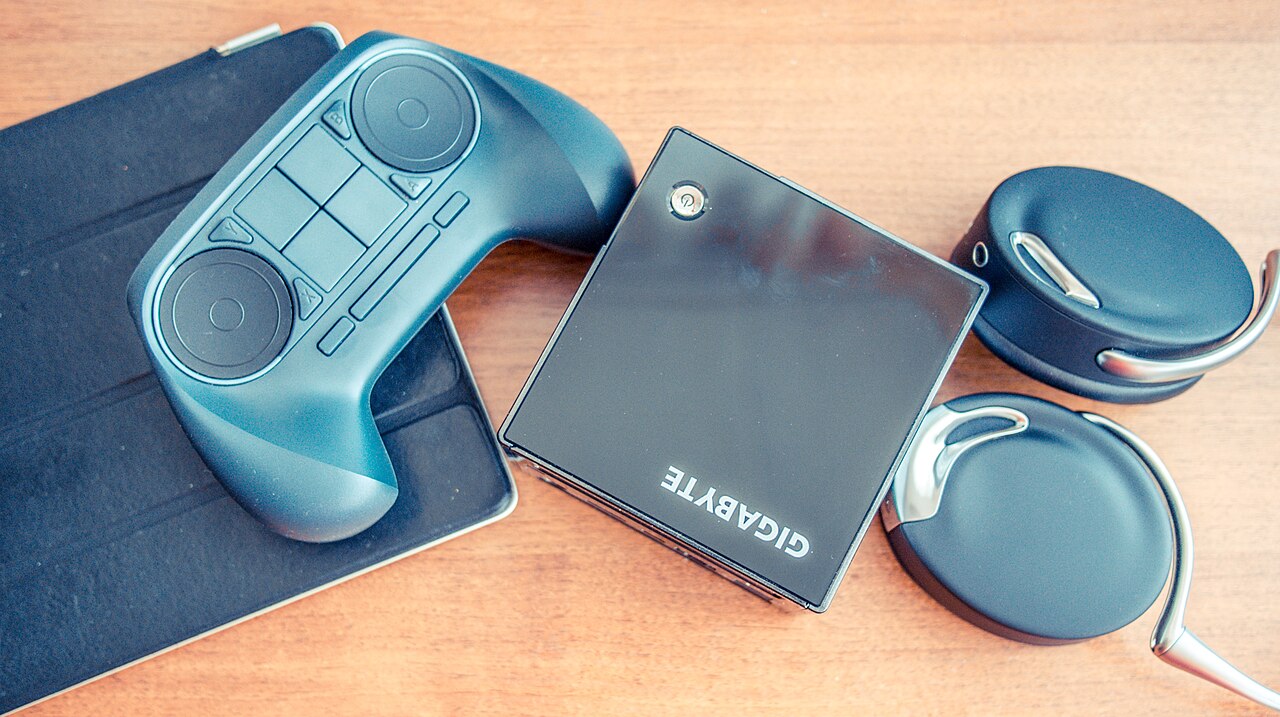
Valve unveiled the Steam Machine concept in September 2013 to bring PC gaming into the living room without ceding that space to closed console platforms. Rather than building a single reference machine, Valve designed SteamOS, a Debian-derived Linux distribution, and licensed it to third-party manufacturers including Alienware, Zotac, and Falcon Northwest. Retail units finally shipped on November 10, 2015, alongside the Steam Controller, a wireless gamepad featuring dual haptic touchpads designed to approximate mouse-and-keyboard precision for living room use.
The platform faced immediate headwinds. SteamOS shipped unfinished, with a thin Linux game library forcing many buyers to install Windows anyway to access their existing libraries. Microsoft’s free Windows 10 upgrade in mid-2015 undercut the appeal of buying new hardware to sidestep an operating system most owners already had. Valve’s own Steam Link, a \ streaming box, offered nearly the same experience at a fraction of the cost, undercutting the Steam Machine before it built momentum.
Within seven months, fewer than 500,000 units sold across all manufacturers. Valve quietly discontinued the platform by April 2018. Lessons from the failure, particularly around underpowered hardware and unfinished software, shaped the Steam Deck, the handheld PC Valve released in 2022 to considerably greater success. The Steam Controller’s touchpad layout and SteamOS’s Proton compatibility layer, both born from the Steam Machine era, carried forward directly into that later hardware.
Library Highlights
Because the Steam Machine ran the existing Steam storefront rather than a dedicated exclusive lineup, its “library” was really Valve’s own catalog and the broader base of Linux-compatible Steam titles, anchored by the games Valve had already made central to PC gaming culture.
- Dota 2
- Team Fortress 2
- Half-Life
- Portal 2
- Counter-Strike: Global Offensive
- Civilization V
- The Witcher 3
- Borderlands 2

Variants
Rather than one standardized console, the Steam Machine existed as a family of similarly branded hardware from more than a dozen manufacturers, each free to choose its own case design, CPU tier, and graphics hardware while shipping the same SteamOS software. Configurations spanned Intel Core i3, i5-4570, and i7-4770 processor options, which produced a wide performance and price gap between the cheapest and most expensive units sold under the Steam Machine name. No single official “revision” of the hardware exists in the way later consoles received hardware refreshes, since the variation was baked into the launch lineup itself. See the Valve manufacturer hub for the company’s other hardware, including the Steam Deck that followed it.
Collector Value
Steam Machines are a niche collectible today, valued more for their place in PC gaming history than for raw performance, since their mid-2013-era Intel hardware is easily outpaced by budget gaming PCs. Condition and completeness matter for resale, particularly units that still include the original Steam Controller, which collectors seek out separately due to its unusual touchpad design. Because manufacturers varied so widely, prices differ considerably between a base-tier unit and one of the higher-end workstation-class builds, and sealed, still-boxed examples are comparatively rare given the platform’s short retail life and low overall sales.
Buying Guide
No dedicated Steam Machine value guide or console listicle is published yet, so use general secondhand-hardware checks instead. Confirm the seller includes the correct power adapter for that specific manufacturer’s model, since Steam Machines were never standardized and cables are not interchangeable across brands. Ask whether the unit still boots into SteamOS or has been reflashed with Windows, and test that the Steam Controller (if included) pairs and holds a charge, since replacements are increasingly hard to find.
FAQs
When did the Steam Machine come out?
The Steam Machine launched on November 10, 2015, following two years of development after Valve first announced the concept in 2013.
How many units did the Steam Machine sell?
Fewer than 500,000 units sold across all manufacturers in the console’s first seven months on the market, a figure widely cited as evidence of the platform’s struggles.
How much did the Steam Machine cost at launch?
Pricing started at \ USD, though because multiple manufacturers sold their own configurations, higher-end models cost considerably more.
Why did the Steam Machine fail?
An unfinished version of SteamOS, a thin library of Linux-optimized games, Microsoft’s free Windows 10 upgrade, and competition from Valve’s own cheaper Steam Link all undercut the platform, leading to its discontinuation in April 2018.
Did Valve make another console after the Steam Machine?
Yes. Valve returned to hardware with the Steam Deck in 2022, a handheld that applied lessons learned from the Steam Machine’s shortcomings.
Sources
Facts on this page last verified 2026-07-15.