
This article contains Amazon affiliate links — as an Amazon Associate, RetroArcade earns from qualifying purchases.
Specs
| Maker | Funtech |
| Type | Home |
| Generation | 4 |
| Release Date | 1995 (Taiwan, China) |
| Launch Price | Not documented |
| Units Sold | Not documented |
| Media | ROM cartridge |
| CPU | Motorola 68000 clocked at 10.738635 MHz |
| Predecessor | None |
| Successor | None |

History
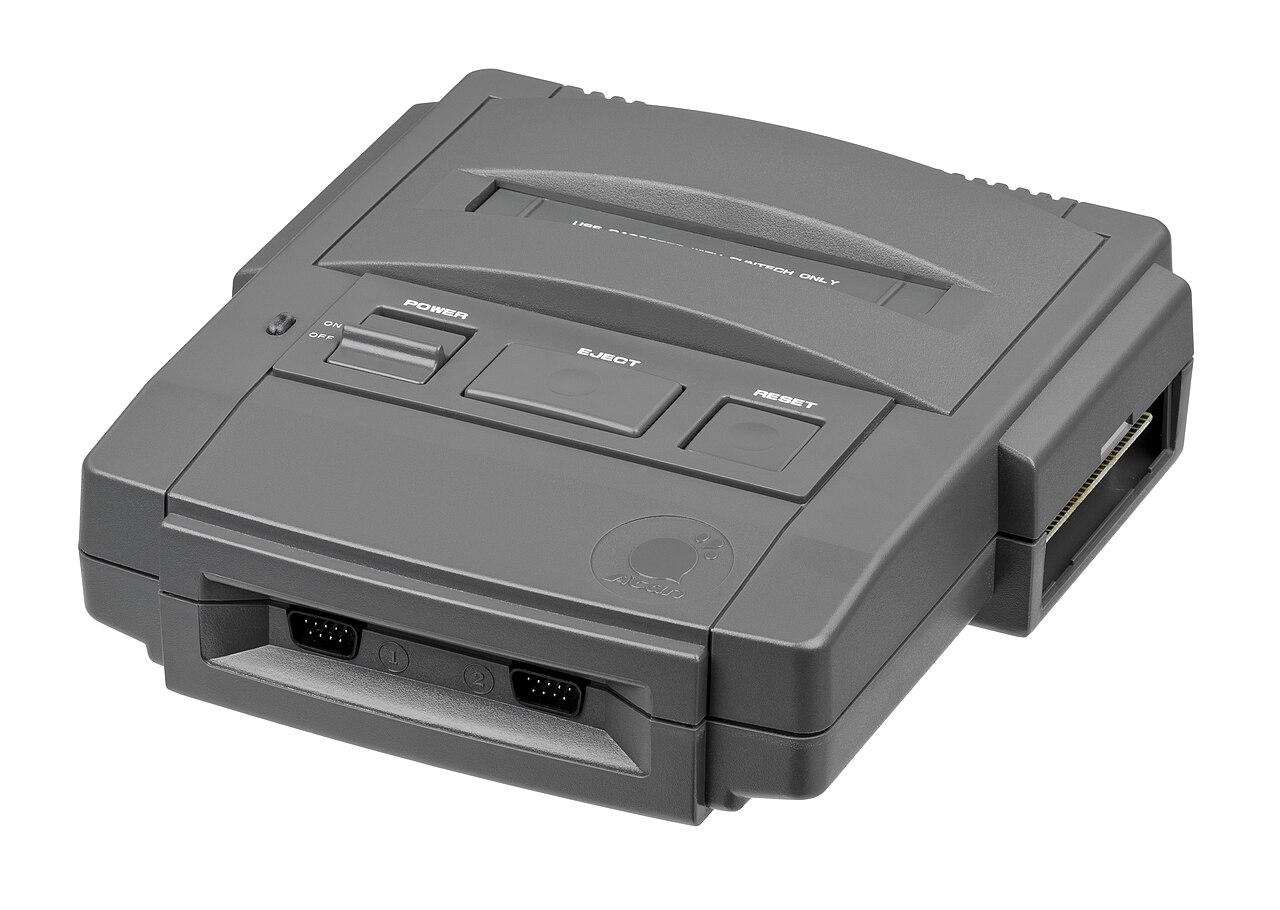
The Super A'Can was a fourth-generation home console released in Taiwan and China in 1995 by Funtech. Featuring a Motorola 68000 CPU running at 10.738635 MHz and supporting ROM cartridges, it represented an ambitious attempt to capture the lucrative Asian gaming market during a transformative period in console history. However, the system launched at a premium price point that proved prohibitive for mainstream consumers, particularly in emerging markets where purchasing power remained limited compared to established gaming hubs in North America and Europe.
The Super A'Can's commercial trajectory closely mirrored the broader industry shift toward fifth-generation systems, which were beginning to dominate retail shelves and consumer interest. The console was discontinued in April 1996, less than a year after its launch, marking one of the swiftest exits from the market for any dedicated gaming hardware of the era. Funtech's loss of over $6 million USD on the venture underscored the difficulties of competing against Nintendo, Sega, and Sony without established retail distribution networks or a compelling software library.
Library Highlights
The Super A'Can's software lineup, though limited, included titles that attempted to leverage the system's technical capabilities and appeal to Asian gaming audiences.
- Sango Fighter
- Speedy Dragon
- Super Dragon Force
- Boom Zoo

Variants
No major hardware variants are documented for the Super A'Can. Funtech released the system in a single primary configuration across its limited distribution territories in Taiwan and China.
Collector Value
As one of the rarest fourth-generation consoles, the Super A'Can commands premium prices among serious retro collectors. Loose units in good condition typically range from $200–$400 USD, while cartridges in mint condition with original packaging can exceed $100 each. Sealed systems are exceptionally rare and have sold for over $1,000 at specialist auctions. The console's obscurity outside Asia and its short commercial lifespan make it a prized acquisition for collectors seeking unusual and historically significant gaming hardware.

Buying Guide
When purchasing a Super A'Can, verify that the console powers on and that the cartridge slot is free of corrosion or debris, as replacement components are difficult to source. Ensure the power supply is included and functions correctly, as original Funtech adapters are increasingly rare. Check for physical signs of wear on the case and screen, and test all available cartridges to confirm the system reads media reliably before finalizing any transaction.
FAQs
When did the Super A'Can come out?
The Super A'Can was released in 1995 in Taiwan and China, during the fourth generation of home consoles. It was discontinued in April 1996 after failing to compete with emerging fifth-generation systems.
How many games were released for the Super A'Can?
Twelve games were officially released for the Super A'Can, including Sango Fighter, Speedy Dragon, Super Dragon Force, and Boom Zoo. Eleven additional titles were in development but never reached market before the system's discontinuation.
Why did the Super A'Can fail?
The Super A'Can failed due to a combination of high launch prices that proved prohibitive for consumers and its inability to compete against fifth-generation consoles entering the market. Funtech lacked the retail distribution and brand recognition of competitors like Nintendo, Sega, and Sony, and the company ultimately lost over $6 million USD on the venture.
What happened to unsold Super A'Can consoles?
Remaining inventory of unsold Super A'Can systems was eventually sold as scrap to the United States, contributing to the system's extreme rarity today. Very few units survive in working condition outside of dedicated collector hands.
Sources
Facts on this page last verified 2026-07-15.