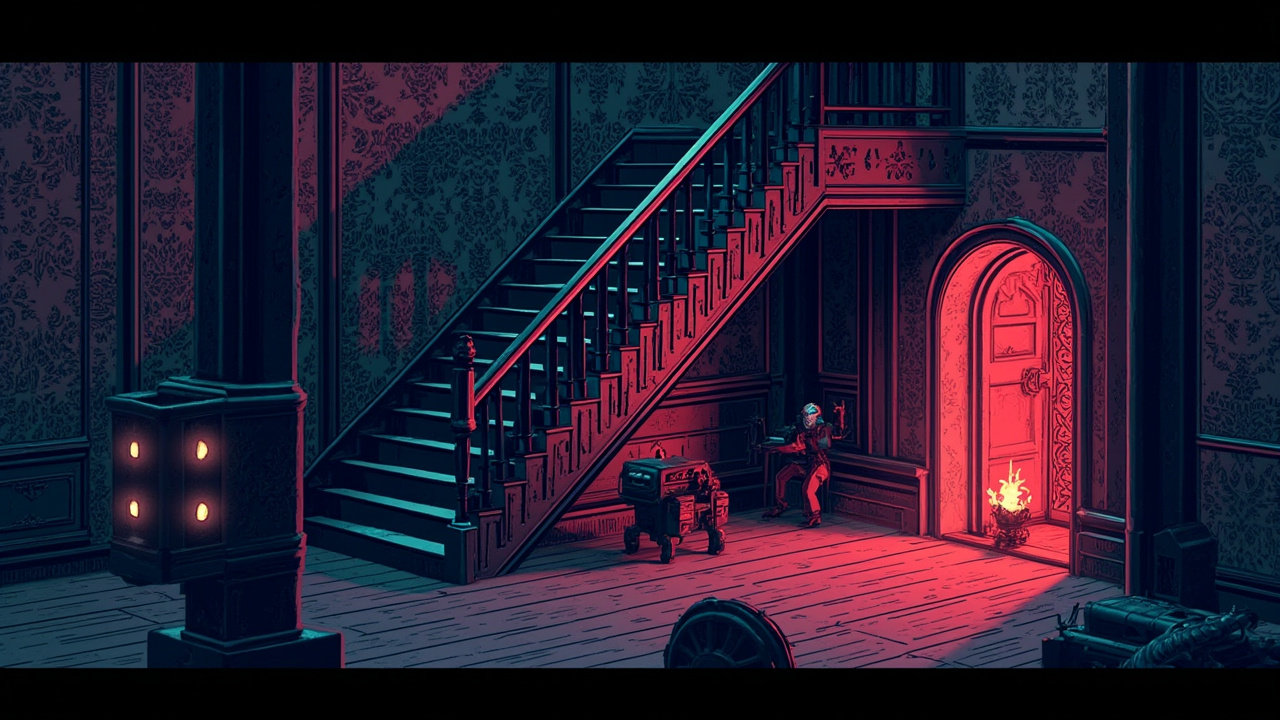
An unofficial SNES port of the original Castlevania has received a visual overhaul roughly one year after its debut, giving retro players a fresh reason to revisit Konami’s 1986 gothic platformer on genuine 16-bit hardware. The homebrew project, originally built by developer Rumbleminze, has now been treated to what Time Extension describes as a 16-bit makeover, polishing up the presentation for fans who run the port on real Super Nintendo consoles.
The release continues a quiet but growing trend across the retro scene: NES-era titles being adapted to run natively on SNES hardware instead of relying on adapters or emulation. For collectors keeping original Super Nintendo consoles in active rotation, native ports provide the cleanest path back to aging 8-bit libraries, and the Castlevania upgrade sits squarely in that tradition.
A Look Back at Castlevania’s Origins
Castlevania first appeared in Japan as Akumajō Dracula on the Famicom Disk System in September 1986, taking advantage of Nintendo’s disk-based add-on to deliver a longer and more ambitious side-scroller than typical cartridge releases of the era. The following year, the game crossed to North America as a standard NES cartridge under the simpler Castlevania name, introducing Western players to the whip-wielding Belmont lineage and the franchise’s signature blend of tough platforming and horror atmosphere. The soundtrack, composed by Kinuyo Yamashita and scored against a moody Transylvanian backdrop, quickly became one of the most celebrated chiptune achievements of the 8-bit generation.
The Famicom Disk System itself remains a curiosity for collectors, swapping traditional cartridges for proprietary rewritable disks and giving developers more storage to work with. That Castlevania launched on that platform adds an extra layer of nostalgia for Japanese retro enthusiasts, while the global NES release remains the version most Western fans grew up with.
Why a Native SNES Port Matters
Authenticity is the main draw of these projects. A native SNES port talks directly to the console’s hardware, displays correctly on a 16-bit CRT, and responds to original controllers without translation layers. For hobbyists who have invested in original hardware setups, that experience is hard to replicate through emulation alone. Rumbleminze’s Castlevania effort joins a small but active homebrew community that has been steadily breathing new life into aging NES libraries, with more ports and visual refreshes appearing each year.
With the original port now twelve months old and already receiving a visual refresh, retro fans will be watching closely to see whether Rumbleminze tackles additional Konami classics next, or pushes this one even further. Either way, the project reinforces how homebrew developers continue to extend the lifespan of consoles long after their commercial era ended. Stay current with more retro hardware experiments and homebrew releases on the RetroArcade news desk.
Source: Time Extension