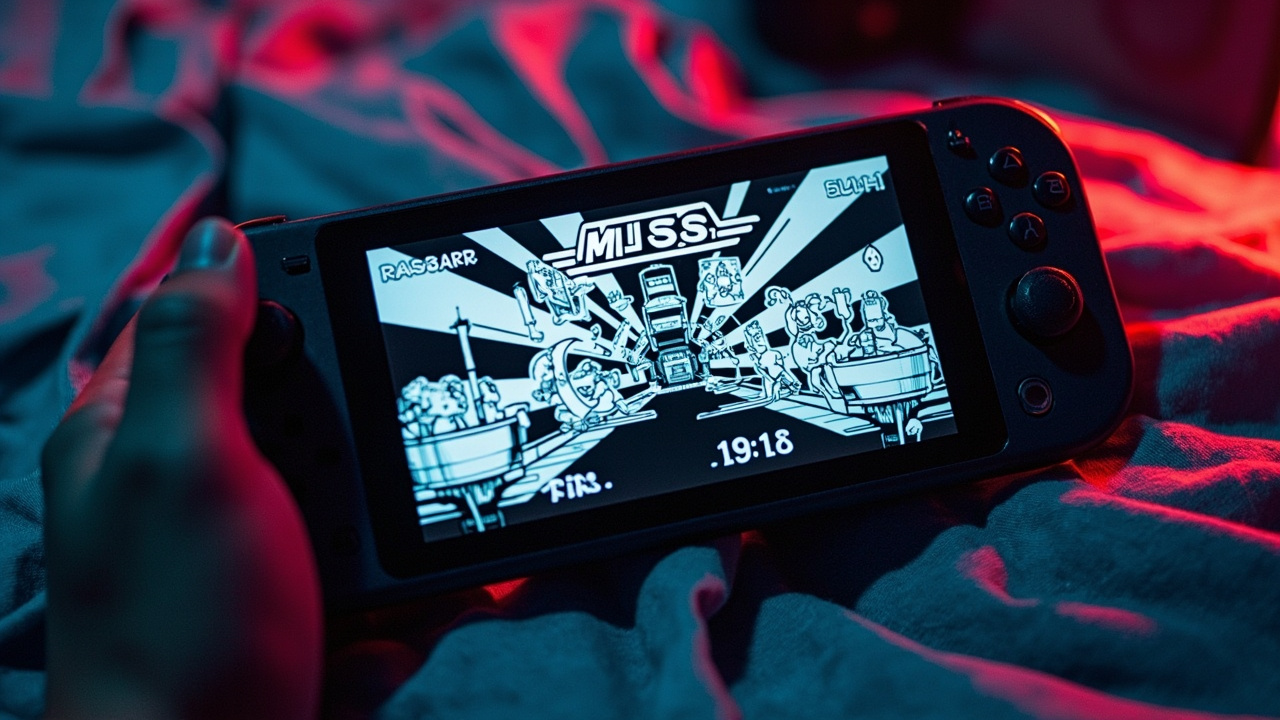
A new emulation initiative is bringing classic LCD handheld games to modern hardware, and the project appears to have landed what its contributors believe is a preservation milestone: the first ROM dump of a title from the Mini Classics line. As one person involved in the effort put it: “This is the first Mini Classics game to be dumped.”
The project, detailed by Time Extension, targets a corner of gaming history that has long been neglected by both collectors and the emulation scene. While arcade cabinets, console cartridges, and home computer disks have benefited from decades of preservation work, the humble LCD handheld has been largely left out of the conversation.
Why LCD Handhelds Mattered
LCD games are easy to dismiss as primitive curiosities. Their low-resolution, single-purpose displays looked crude even at launch, and their gameplay loops were often brutally simple. But for millions of players, these were the first games they ever held. Nintendo’s Game & Watch series, originally introduced in 1980, set the modern handheld template, and competitors such as Tiger Electronics, Bandai, and a wave of license-driven manufacturers flooded toy aisles through the 1980s and 1990s with novelty takes on popular franchises. To skip past them is to skip an entire chapter of how a generation learned to love video games.
Technical realities account for much of the preservation gap. LCD handhelds generally did not store their games on swappable media the way cartridges did, and many used custom hardware without publicly documented internals. Extracting the code, in preservation parlance “dumping” the ROM, frequently required teardowns, logic analyzers, and a patience level that most collectors never applied to a flea market unit.
What the New Dump Means
The original reporting frames the Mini Classics discovery as a possible Nintendo first, hinting at a connection between the dumped title and the company’s extended handheld family. Regardless of the brand attachment, a confirmed Mini Classics ROM is significant because it expands the playable emulation library through a route that does not depend on anyone finding an original, working unit in a drawer. That opens the door to study, preservation, and play, for titles that were never going to see an official rerelease through conventional channels.
For retro enthusiasts tracking the slow expansion of what counts as “preserved” across the retro gaming news cycle, this is the kind of incremental win that compounds. One successfully dumped game invites scrutiny of others, and projects of this kind tend to gather momentum as tooling and techniques improve.
Full details on the emulation project’s scope, supported titles, and the method behind the Mini Classics dump are in the original report linked below.
Source: Time Extension