Super Mario Sunshine launched on the GameCube in July 2002 in Japan and North America, with the European release following in October of the same year. It served as a flagship showcase for the console early in its life, leveraging the system’s more powerful hardware to render reflective water surfaces, soft shadows, and one of the more colorful Mario worlds to date. The Isle Delfino setting marked the first time a mainline 3D Mario adventure took place in a real-world-inspired locale with a tropical, almost postcard-like atmosphere.
The game was developed primarily by Nintendo EAD in Tokyo under the supervision of longtime Mario director Yoshiaki Koizumi, with Shigeru Miyamoto serving in a producer role. Its blend of platforming, exploration, and the unconventional FLUDD mechanic gave it a distinctive identity within the series, even as later 3D entries would diverge in their own directions. Two decades on, the title still stands as a reminder of a more whimsical era of Mario design.
Subscribers looking to revisit Delfino or experience it for the first time will be able to do so from August 13, 2026 through the appropriate Switch Online tier on Switch 2.
Source: Nintendo Life
A Quick History Lesson
Super Mario Sunshine launched on the GameCube in July 2002 in Japan and North America, with the European release following in October of the same year. It served as a flagship showcase for the console early in its life, leveraging the system’s more powerful hardware to render reflective water surfaces, soft shadows, and one of the more colorful Mario worlds to date. The Isle Delfino setting marked the first time a mainline 3D Mario adventure took place in a real-world-inspired locale with a tropical, almost postcard-like atmosphere.
The game was developed primarily by Nintendo EAD in Tokyo under the supervision of longtime Mario director Yoshiaki Koizumi, with Shigeru Miyamoto serving in a producer role. Its blend of platforming, exploration, and the unconventional FLUDD mechanic gave it a distinctive identity within the series, even as later 3D entries would diverge in their own directions. Two decades on, the title still stands as a reminder of a more whimsical era of Mario design.
Subscribers looking to revisit Delfino or experience it for the first time will be able to do so from August 13, 2026 through the appropriate Switch Online tier on Switch 2.
Source: Nintendo Life
A Quick History Lesson
Super Mario Sunshine launched on the GameCube in July 2002 in Japan and North America, with the European release following in October of the same year. It served as a flagship showcase for the console early in its life, leveraging the system’s more powerful hardware to render reflective water surfaces, soft shadows, and one of the more colorful Mario worlds to date. The Isle Delfino setting marked the first time a mainline 3D Mario adventure took place in a real-world-inspired locale with a tropical, almost postcard-like atmosphere.
The game was developed primarily by Nintendo EAD in Tokyo under the supervision of longtime Mario director Yoshiaki Koizumi, with Shigeru Miyamoto serving in a producer role. Its blend of platforming, exploration, and the unconventional FLUDD mechanic gave it a distinctive identity within the series, even as later 3D entries would diverge in their own directions. Two decades on, the title still stands as a reminder of a more whimsical era of Mario design.
Subscribers looking to revisit Delfino or experience it for the first time will be able to do so from August 13, 2026 through the appropriate Switch Online tier on Switch 2.
Source: Nintendo Life
The addition carries weight for longtime Nintendo enthusiasts for several reasons. Super Mario Sunshine is widely regarded as one of the more experimental mainline Mario entries, swapping the gravity-bending acrobatics of Super Mario 64 for a tighter, mission-based structure built around spraying, hovering, and hovering-while-spraying across a single open hub. For collectors who missed the 3D All-Stars window or refused to pay the inflated secondary-market prices that followed its delisting, the Nintendo Classics re-release is the most accessible entry point in years.
It also continues a quietly aggressive rollout of GameCube-era software through the Nintendo Classics subscription. Once the Switch Online expansion tier launched, the library began with a small set of launch-window GameCube titles and has steadily grown since. Adding Sunshine, a second-tier 3D Mario, signals that Nintendo is willing to bring more mid-generation GameCube favorites into the fold, not just the obvious icons. For retro-focused readers following the broader Nintendo news cycle, the move is one of the more substantial GameCube additions to date.
A Quick History Lesson
Super Mario Sunshine launched on the GameCube in July 2002 in Japan and North America, with the European release following in October of the same year. It served as a flagship showcase for the console early in its life, leveraging the system’s more powerful hardware to render reflective water surfaces, soft shadows, and one of the more colorful Mario worlds to date. The Isle Delfino setting marked the first time a mainline 3D Mario adventure took place in a real-world-inspired locale with a tropical, almost postcard-like atmosphere.
The game was developed primarily by Nintendo EAD in Tokyo under the supervision of longtime Mario director Yoshiaki Koizumi, with Shigeru Miyamoto serving in a producer role. Its blend of platforming, exploration, and the unconventional FLUDD mechanic gave it a distinctive identity within the series, even as later 3D entries would diverge in their own directions. Two decades on, the title still stands as a reminder of a more whimsical era of Mario design.
Subscribers looking to revisit Delfino or experience it for the first time will be able to do so from August 13, 2026 through the appropriate Switch Online tier on Switch 2.
Source: Nintendo Life
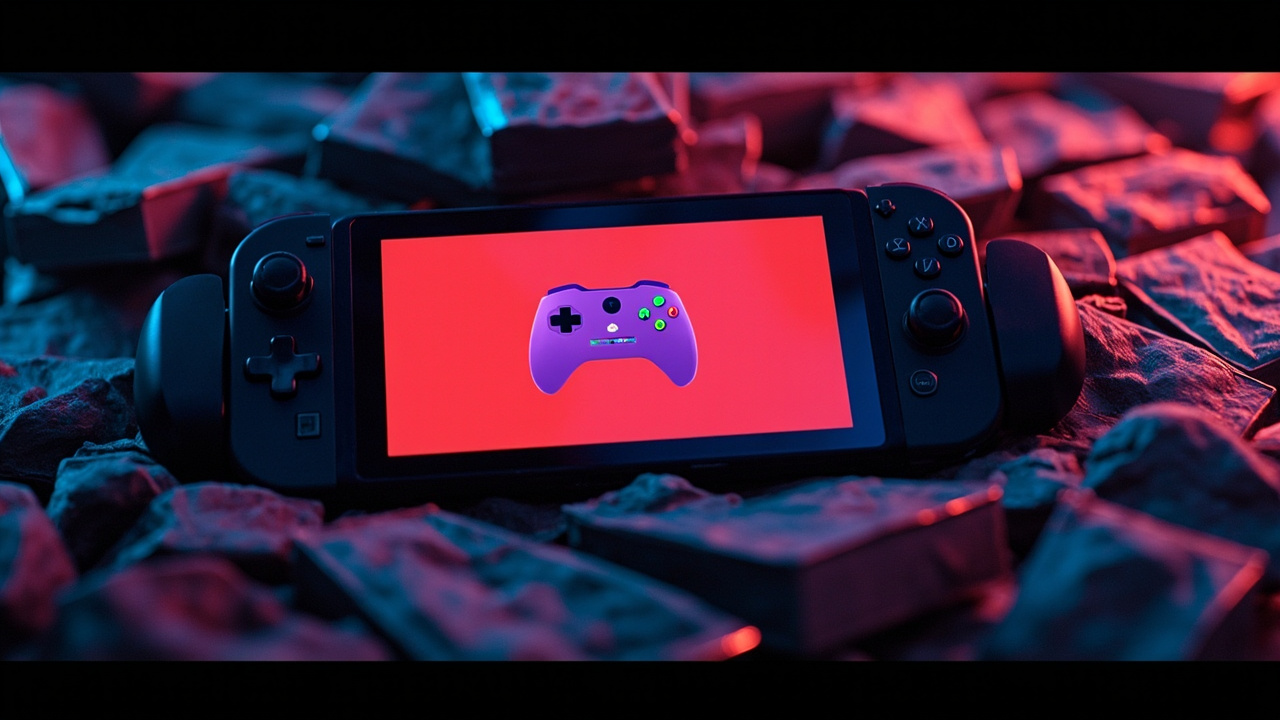
Super Mario Sunshine launched on the GameCube in July 2002 in Japan and North America, with the European release following in October of the same year. It served as a flagship showcase for the console early in its life, leveraging the system’s more powerful hardware to render reflective water surfaces, soft shadows, and one of the more colorful Mario worlds to date. The Isle Delfino setting marked the first time a mainline 3D Mario adventure took place in a real-world-inspired locale with a tropical, almost postcard-like atmosphere.
The game was developed primarily by Nintendo EAD in Tokyo under the supervision of longtime Mario director Yoshiaki Koizumi, with Shigeru Miyamoto serving in a producer role. Its blend of platforming, exploration, and the unconventional FLUDD mechanic gave it a distinctive identity within the series, even as later 3D entries would diverge in their own directions. Two decades on, the title still stands as a reminder of a more whimsical era of Mario design.
Subscribers looking to revisit Delfino or experience it for the first time will be able to do so from August 13, 2026 through the appropriate Switch Online tier on Switch 2.
Source: Nintendo Life
A Quick History Lesson
Super Mario Sunshine launched on the GameCube in July 2002 in Japan and North America, with the European release following in October of the same year. It served as a flagship showcase for the console early in its life, leveraging the system’s more powerful hardware to render reflective water surfaces, soft shadows, and one of the more colorful Mario worlds to date. The Isle Delfino setting marked the first time a mainline 3D Mario adventure took place in a real-world-inspired locale with a tropical, almost postcard-like atmosphere.
The game was developed primarily by Nintendo EAD in Tokyo under the supervision of longtime Mario director Yoshiaki Koizumi, with Shigeru Miyamoto serving in a producer role. Its blend of platforming, exploration, and the unconventional FLUDD mechanic gave it a distinctive identity within the series, even as later 3D entries would diverge in their own directions. Two decades on, the title still stands as a reminder of a more whimsical era of Mario design.
Subscribers looking to revisit Delfino or experience it for the first time will be able to do so from August 13, 2026 through the appropriate Switch Online tier on Switch 2.
Source: Nintendo Life
A Quick History Lesson
Super Mario Sunshine launched on the GameCube in July 2002 in Japan and North America, with the European release following in October of the same year. It served as a flagship showcase for the console early in its life, leveraging the system’s more powerful hardware to render reflective water surfaces, soft shadows, and one of the more colorful Mario worlds to date. The Isle Delfino setting marked the first time a mainline 3D Mario adventure took place in a real-world-inspired locale with a tropical, almost postcard-like atmosphere.
The game was developed primarily by Nintendo EAD in Tokyo under the supervision of longtime Mario director Yoshiaki Koizumi, with Shigeru Miyamoto serving in a producer role. Its blend of platforming, exploration, and the unconventional FLUDD mechanic gave it a distinctive identity within the series, even as later 3D entries would diverge in their own directions. Two decades on, the title still stands as a reminder of a more whimsical era of Mario design.
Subscribers looking to revisit Delfino or experience it for the first time will be able to do so from August 13, 2026 through the appropriate Switch Online tier on Switch 2.
Source: Nintendo Life
The addition carries weight for longtime Nintendo enthusiasts for several reasons. Super Mario Sunshine is widely regarded as one of the more experimental mainline Mario entries, swapping the gravity-bending acrobatics of Super Mario 64 for a tighter, mission-based structure built around spraying, hovering, and hovering-while-spraying across a single open hub. For collectors who missed the 3D All-Stars window or refused to pay the inflated secondary-market prices that followed its delisting, the Nintendo Classics re-release is the most accessible entry point in years.
It also continues a quietly aggressive rollout of GameCube-era software through the Nintendo Classics subscription. Once the Switch Online expansion tier launched, the library began with a small set of launch-window GameCube titles and has steadily grown since. Adding Sunshine, a second-tier 3D Mario, signals that Nintendo is willing to bring more mid-generation GameCube favorites into the fold, not just the obvious icons. For retro-focused readers following the broader Nintendo news cycle, the move is one of the more substantial GameCube additions to date.
A Quick History Lesson
Super Mario Sunshine launched on the GameCube in July 2002 in Japan and North America, with the European release following in October of the same year. It served as a flagship showcase for the console early in its life, leveraging the system’s more powerful hardware to render reflective water surfaces, soft shadows, and one of the more colorful Mario worlds to date. The Isle Delfino setting marked the first time a mainline 3D Mario adventure took place in a real-world-inspired locale with a tropical, almost postcard-like atmosphere.
The game was developed primarily by Nintendo EAD in Tokyo under the supervision of longtime Mario director Yoshiaki Koizumi, with Shigeru Miyamoto serving in a producer role. Its blend of platforming, exploration, and the unconventional FLUDD mechanic gave it a distinctive identity within the series, even as later 3D entries would diverge in their own directions. Two decades on, the title still stands as a reminder of a more whimsical era of Mario design.
Subscribers looking to revisit Delfino or experience it for the first time will be able to do so from August 13, 2026 through the appropriate Switch Online tier on Switch 2.
Source: Nintendo Life
A Quick History Lesson
Super Mario Sunshine launched on the GameCube in July 2002 in Japan and North America, with the European release following in October of the same year. It served as a flagship showcase for the console early in its life, leveraging the system’s more powerful hardware to render reflective water surfaces, soft shadows, and one of the more colorful Mario worlds to date. The Isle Delfino setting marked the first time a mainline 3D Mario adventure took place in a real-world-inspired locale with a tropical, almost postcard-like atmosphere.
The game was developed primarily by Nintendo EAD in Tokyo under the supervision of longtime Mario director Yoshiaki Koizumi, with Shigeru Miyamoto serving in a producer role. Its blend of platforming, exploration, and the unconventional FLUDD mechanic gave it a distinctive identity within the series, even as later 3D entries would diverge in their own directions. Two decades on, the title still stands as a reminder of a more whimsical era of Mario design.
Subscribers looking to revisit Delfino or experience it for the first time will be able to do so from August 13, 2026 through the appropriate Switch Online tier on Switch 2.
Source: Nintendo Life
Nintendo has confirmed that GameCube classic Super Mario Sunshine will be added to the Nintendo Classics catalog on the Switch Online service on August 13, 2026. The title, originally released in 2002, returns players to the sun-soaked Isle Delfino, where Mario must clean up the polluted resort island using the water-spraying FLUDD backpack. The announcement marks another notable addition to the growing GameCube lineup available to Switch 2 subscribers through the expansion tier of the online service.
Sunshine has had a winding availability history on Nintendo platforms. Most recently it was packaged inside Super Mario 3D All-Stars, a limited-time Switch collection released in 2020 to celebrate the plumber’s 35th anniversary. That compilation has since been delisted from the eShop, making the upcoming Nintendo Classics release the only legitimate digital route to the game on modern Nintendo hardware. Subscribers at the relevant tier will be able to download and play the title natively on Switch 2.
Why It Matters to Retro Fans
The addition carries weight for longtime Nintendo enthusiasts for several reasons. Super Mario Sunshine is widely regarded as one of the more experimental mainline Mario entries, swapping the gravity-bending acrobatics of Super Mario 64 for a tighter, mission-based structure built around spraying, hovering, and hovering-while-spraying across a single open hub. For collectors who missed the 3D All-Stars window or refused to pay the inflated secondary-market prices that followed its delisting, the Nintendo Classics re-release is the most accessible entry point in years.
It also continues a quietly aggressive rollout of GameCube-era software through the Nintendo Classics subscription. Once the Switch Online expansion tier launched, the library began with a small set of launch-window GameCube titles and has steadily grown since. Adding Sunshine, a second-tier 3D Mario, signals that Nintendo is willing to bring more mid-generation GameCube favorites into the fold, not just the obvious icons. For retro-focused readers following the broader Nintendo news cycle, the move is one of the more substantial GameCube additions to date.
A Quick History Lesson
Super Mario Sunshine launched on the GameCube in July 2002 in Japan and North America, with the European release following in October of the same year. It served as a flagship showcase for the console early in its life, leveraging the system’s more powerful hardware to render reflective water surfaces, soft shadows, and one of the more colorful Mario worlds to date. The Isle Delfino setting marked the first time a mainline 3D Mario adventure took place in a real-world-inspired locale with a tropical, almost postcard-like atmosphere.
The game was developed primarily by Nintendo EAD in Tokyo under the supervision of longtime Mario director Yoshiaki Koizumi, with Shigeru Miyamoto serving in a producer role. Its blend of platforming, exploration, and the unconventional FLUDD mechanic gave it a distinctive identity within the series, even as later 3D entries would diverge in their own directions. Two decades on, the title still stands as a reminder of a more whimsical era of Mario design.
Subscribers looking to revisit Delfino or experience it for the first time will be able to do so from August 13, 2026 through the appropriate Switch Online tier on Switch 2.
Source: Nintendo Life
The addition carries weight for longtime Nintendo enthusiasts for several reasons. Super Mario Sunshine is widely regarded as one of the more experimental mainline Mario entries, swapping the gravity-bending acrobatics of Super Mario 64 for a tighter, mission-based structure built around spraying, hovering, and hovering-while-spraying across a single open hub. For collectors who missed the 3D All-Stars window or refused to pay the inflated secondary-market prices that followed its delisting, the Nintendo Classics re-release is the most accessible entry point in years.
It also continues a quietly aggressive rollout of GameCube-era software through the Nintendo Classics subscription. Once the Switch Online expansion tier launched, the library began with a small set of launch-window GameCube titles and has steadily grown since. Adding Sunshine, a second-tier 3D Mario, signals that Nintendo is willing to bring more mid-generation GameCube favorites into the fold, not just the obvious icons. For retro-focused readers following the broader Nintendo news cycle, the move is one of the more substantial GameCube additions to date.
A Quick History Lesson
Super Mario Sunshine launched on the GameCube in July 2002 in Japan and North America, with the European release following in October of the same year. It served as a flagship showcase for the console early in its life, leveraging the system’s more powerful hardware to render reflective water surfaces, soft shadows, and one of the more colorful Mario worlds to date. The Isle Delfino setting marked the first time a mainline 3D Mario adventure took place in a real-world-inspired locale with a tropical, almost postcard-like atmosphere.
The game was developed primarily by Nintendo EAD in Tokyo under the supervision of longtime Mario director Yoshiaki Koizumi, with Shigeru Miyamoto serving in a producer role. Its blend of platforming, exploration, and the unconventional FLUDD mechanic gave it a distinctive identity within the series, even as later 3D entries would diverge in their own directions. Two decades on, the title still stands as a reminder of a more whimsical era of Mario design.
Subscribers looking to revisit Delfino or experience it for the first time will be able to do so from August 13, 2026 through the appropriate Switch Online tier on Switch 2.
Source: Nintendo Life
Nintendo has confirmed that GameCube classic Super Mario Sunshine will be added to the Nintendo Classics catalog on the Switch Online service on August 13, 2026. The title, originally released in 2002, returns players to the sun-soaked Isle Delfino, where Mario must clean up the polluted resort island using the water-spraying FLUDD backpack. The announcement marks another notable addition to the growing GameCube lineup available to Switch 2 subscribers through the expansion tier of the online service.
Sunshine has had a winding availability history on Nintendo platforms. Most recently it was packaged inside Super Mario 3D All-Stars, a limited-time Switch collection released in 2020 to celebrate the plumber’s 35th anniversary. That compilation has since been delisted from the eShop, making the upcoming Nintendo Classics release the only legitimate digital route to the game on modern Nintendo hardware. Subscribers at the relevant tier will be able to download and play the title natively on Switch 2.
Why It Matters to Retro Fans
The addition carries weight for longtime Nintendo enthusiasts for several reasons. Super Mario Sunshine is widely regarded as one of the more experimental mainline Mario entries, swapping the gravity-bending acrobatics of Super Mario 64 for a tighter, mission-based structure built around spraying, hovering, and hovering-while-spraying across a single open hub. For collectors who missed the 3D All-Stars window or refused to pay the inflated secondary-market prices that followed its delisting, the Nintendo Classics re-release is the most accessible entry point in years.
It also continues a quietly aggressive rollout of GameCube-era software through the Nintendo Classics subscription. Once the Switch Online expansion tier launched, the library began with a small set of launch-window GameCube titles and has steadily grown since. Adding Sunshine, a second-tier 3D Mario, signals that Nintendo is willing to bring more mid-generation GameCube favorites into the fold, not just the obvious icons. For retro-focused readers following the broader Nintendo news cycle, the move is one of the more substantial GameCube additions to date.
A Quick History Lesson
Super Mario Sunshine launched on the GameCube in July 2002 in Japan and North America, with the European release following in October of the same year. It served as a flagship showcase for the console early in its life, leveraging the system’s more powerful hardware to render reflective water surfaces, soft shadows, and one of the more colorful Mario worlds to date. The Isle Delfino setting marked the first time a mainline 3D Mario adventure took place in a real-world-inspired locale with a tropical, almost postcard-like atmosphere.
The game was developed primarily by Nintendo EAD in Tokyo under the supervision of longtime Mario director Yoshiaki Koizumi, with Shigeru Miyamoto serving in a producer role. Its blend of platforming, exploration, and the unconventional FLUDD mechanic gave it a distinctive identity within the series, even as later 3D entries would diverge in their own directions. Two decades on, the title still stands as a reminder of a more whimsical era of Mario design.
Subscribers looking to revisit Delfino or experience it for the first time will be able to do so from August 13, 2026 through the appropriate Switch Online tier on Switch 2.
Source: Nintendo Life
A Quick History Lesson
Super Mario Sunshine launched on the GameCube in July 2002 in Japan and North America, with the European release following in October of the same year. It served as a flagship showcase for the console early in its life, leveraging the system’s more powerful hardware to render reflective water surfaces, soft shadows, and one of the more colorful Mario worlds to date. The Isle Delfino setting marked the first time a mainline 3D Mario adventure took place in a real-world-inspired locale with a tropical, almost postcard-like atmosphere.
The game was developed primarily by Nintendo EAD in Tokyo under the supervision of longtime Mario director Yoshiaki Koizumi, with Shigeru Miyamoto serving in a producer role. Its blend of platforming, exploration, and the unconventional FLUDD mechanic gave it a distinctive identity within the series, even as later 3D entries would diverge in their own directions. Two decades on, the title still stands as a reminder of a more whimsical era of Mario design.
Subscribers looking to revisit Delfino or experience it for the first time will be able to do so from August 13, 2026 through the appropriate Switch Online tier on Switch 2.
Source: Nintendo Life
The addition carries weight for longtime Nintendo enthusiasts for several reasons. Super Mario Sunshine is widely regarded as one of the more experimental mainline Mario entries, swapping the gravity-bending acrobatics of Super Mario 64 for a tighter, mission-based structure built around spraying, hovering, and hovering-while-spraying across a single open hub. For collectors who missed the 3D All-Stars window or refused to pay the inflated secondary-market prices that followed its delisting, the Nintendo Classics re-release is the most accessible entry point in years.
It also continues a quietly aggressive rollout of GameCube-era software through the Nintendo Classics subscription. Once the Switch Online expansion tier launched, the library began with a small set of launch-window GameCube titles and has steadily grown since. Adding Sunshine, a second-tier 3D Mario, signals that Nintendo is willing to bring more mid-generation GameCube favorites into the fold, not just the obvious icons. For retro-focused readers following the broader Nintendo news cycle, the move is one of the more substantial GameCube additions to date.
A Quick History Lesson
Super Mario Sunshine launched on the GameCube in July 2002 in Japan and North America, with the European release following in October of the same year. It served as a flagship showcase for the console early in its life, leveraging the system’s more powerful hardware to render reflective water surfaces, soft shadows, and one of the more colorful Mario worlds to date. The Isle Delfino setting marked the first time a mainline 3D Mario adventure took place in a real-world-inspired locale with a tropical, almost postcard-like atmosphere.
The game was developed primarily by Nintendo EAD in Tokyo under the supervision of longtime Mario director Yoshiaki Koizumi, with Shigeru Miyamoto serving in a producer role. Its blend of platforming, exploration, and the unconventional FLUDD mechanic gave it a distinctive identity within the series, even as later 3D entries would diverge in their own directions. Two decades on, the title still stands as a reminder of a more whimsical era of Mario design.
Subscribers looking to revisit Delfino or experience it for the first time will be able to do so from August 13, 2026 through the appropriate Switch Online tier on Switch 2.
Source: Nintendo Life
Nintendo has confirmed that GameCube classic Super Mario Sunshine will be added to the Nintendo Classics catalog on the Switch Online service on August 13, 2026. The title, originally released in 2002, returns players to the sun-soaked Isle Delfino, where Mario must clean up the polluted resort island using the water-spraying FLUDD backpack. The announcement marks another notable addition to the growing GameCube lineup available to Switch 2 subscribers through the expansion tier of the online service.
Sunshine has had a winding availability history on Nintendo platforms. Most recently it was packaged inside Super Mario 3D All-Stars, a limited-time Switch collection released in 2020 to celebrate the plumber’s 35th anniversary. That compilation has since been delisted from the eShop, making the upcoming Nintendo Classics release the only legitimate digital route to the game on modern Nintendo hardware. Subscribers at the relevant tier will be able to download and play the title natively on Switch 2.
Why It Matters to Retro Fans
The addition carries weight for longtime Nintendo enthusiasts for several reasons. Super Mario Sunshine is widely regarded as one of the more experimental mainline Mario entries, swapping the gravity-bending acrobatics of Super Mario 64 for a tighter, mission-based structure built around spraying, hovering, and hovering-while-spraying across a single open hub. For collectors who missed the 3D All-Stars window or refused to pay the inflated secondary-market prices that followed its delisting, the Nintendo Classics re-release is the most accessible entry point in years.
It also continues a quietly aggressive rollout of GameCube-era software through the Nintendo Classics subscription. Once the Switch Online expansion tier launched, the library began with a small set of launch-window GameCube titles and has steadily grown since. Adding Sunshine, a second-tier 3D Mario, signals that Nintendo is willing to bring more mid-generation GameCube favorites into the fold, not just the obvious icons. For retro-focused readers following the broader Nintendo news cycle, the move is one of the more substantial GameCube additions to date.
A Quick History Lesson
Super Mario Sunshine launched on the GameCube in July 2002 in Japan and North America, with the European release following in October of the same year. It served as a flagship showcase for the console early in its life, leveraging the system’s more powerful hardware to render reflective water surfaces, soft shadows, and one of the more colorful Mario worlds to date. The Isle Delfino setting marked the first time a mainline 3D Mario adventure took place in a real-world-inspired locale with a tropical, almost postcard-like atmosphere.
The game was developed primarily by Nintendo EAD in Tokyo under the supervision of longtime Mario director Yoshiaki Koizumi, with Shigeru Miyamoto serving in a producer role. Its blend of platforming, exploration, and the unconventional FLUDD mechanic gave it a distinctive identity within the series, even as later 3D entries would diverge in their own directions. Two decades on, the title still stands as a reminder of a more whimsical era of Mario design.
Subscribers looking to revisit Delfino or experience it for the first time will be able to do so from August 13, 2026 through the appropriate Switch Online tier on Switch 2.
Source: Nintendo Life
A Quick History Lesson
Super Mario Sunshine launched on the GameCube in July 2002 in Japan and North America, with the European release following in October of the same year. It served as a flagship showcase for the console early in its life, leveraging the system’s more powerful hardware to render reflective water surfaces, soft shadows, and one of the more colorful Mario worlds to date. The Isle Delfino setting marked the first time a mainline 3D Mario adventure took place in a real-world-inspired locale with a tropical, almost postcard-like atmosphere.
The game was developed primarily by Nintendo EAD in Tokyo under the supervision of longtime Mario director Yoshiaki Koizumi, with Shigeru Miyamoto serving in a producer role. Its blend of platforming, exploration, and the unconventional FLUDD mechanic gave it a distinctive identity within the series, even as later 3D entries would diverge in their own directions. Two decades on, the title still stands as a reminder of a more whimsical era of Mario design.
Subscribers looking to revisit Delfino or experience it for the first time will be able to do so from August 13, 2026 through the appropriate Switch Online tier on Switch 2.
Source: Nintendo Life
Nintendo has confirmed that GameCube classic Super Mario Sunshine will be added to the Nintendo Classics catalog on the Switch Online service on August 13, 2026. The title, originally released in 2002, returns players to the sun-soaked Isle Delfino, where Mario must clean up the polluted resort island using the water-spraying FLUDD backpack. The announcement marks another notable addition to the growing GameCube lineup available to Switch 2 subscribers through the expansion tier of the online service.
Sunshine has had a winding availability history on Nintendo platforms. Most recently it was packaged inside Super Mario 3D All-Stars, a limited-time Switch collection released in 2020 to celebrate the plumber’s 35th anniversary. That compilation has since been delisted from the eShop, making the upcoming Nintendo Classics release the only legitimate digital route to the game on modern Nintendo hardware. Subscribers at the relevant tier will be able to download and play the title natively on Switch 2.
Why It Matters to Retro Fans
The addition carries weight for longtime Nintendo enthusiasts for several reasons. Super Mario Sunshine is widely regarded as one of the more experimental mainline Mario entries, swapping the gravity-bending acrobatics of Super Mario 64 for a tighter, mission-based structure built around spraying, hovering, and hovering-while-spraying across a single open hub. For collectors who missed the 3D All-Stars window or refused to pay the inflated secondary-market prices that followed its delisting, the Nintendo Classics re-release is the most accessible entry point in years.
It also continues a quietly aggressive rollout of GameCube-era software through the Nintendo Classics subscription. Once the Switch Online expansion tier launched, the library began with a small set of launch-window GameCube titles and has steadily grown since. Adding Sunshine, a second-tier 3D Mario, signals that Nintendo is willing to bring more mid-generation GameCube favorites into the fold, not just the obvious icons. For retro-focused readers following the broader Nintendo news cycle, the move is one of the more substantial GameCube additions to date.
A Quick History Lesson
Super Mario Sunshine launched on the GameCube in July 2002 in Japan and North America, with the European release following in October of the same year. It served as a flagship showcase for the console early in its life, leveraging the system’s more powerful hardware to render reflective water surfaces, soft shadows, and one of the more colorful Mario worlds to date. The Isle Delfino setting marked the first time a mainline 3D Mario adventure took place in a real-world-inspired locale with a tropical, almost postcard-like atmosphere.
The game was developed primarily by Nintendo EAD in Tokyo under the supervision of longtime Mario director Yoshiaki Koizumi, with Shigeru Miyamoto serving in a producer role. Its blend of platforming, exploration, and the unconventional FLUDD mechanic gave it a distinctive identity within the series, even as later 3D entries would diverge in their own directions. Two decades on, the title still stands as a reminder of a more whimsical era of Mario design.
Subscribers looking to revisit Delfino or experience it for the first time will be able to do so from August 13, 2026 through the appropriate Switch Online tier on Switch 2.
Source: Nintendo Life
The addition carries weight for longtime Nintendo enthusiasts for several reasons. Super Mario Sunshine is widely regarded as one of the more experimental mainline Mario entries, swapping the gravity-bending acrobatics of Super Mario 64 for a tighter, mission-based structure built around spraying, hovering, and hovering-while-spraying across a single open hub. For collectors who missed the 3D All-Stars window or refused to pay the inflated secondary-market prices that followed its delisting, the Nintendo Classics re-release is the most accessible entry point in years.
It also continues a quietly aggressive rollout of GameCube-era software through the Nintendo Classics subscription. Once the Switch Online expansion tier launched, the library began with a small set of launch-window GameCube titles and has steadily grown since. Adding Sunshine, a second-tier 3D Mario, signals that Nintendo is willing to bring more mid-generation GameCube favorites into the fold, not just the obvious icons. For retro-focused readers following the broader Nintendo news cycle, the move is one of the more substantial GameCube additions to date.
A Quick History Lesson
Super Mario Sunshine launched on the GameCube in July 2002 in Japan and North America, with the European release following in October of the same year. It served as a flagship showcase for the console early in its life, leveraging the system’s more powerful hardware to render reflective water surfaces, soft shadows, and one of the more colorful Mario worlds to date. The Isle Delfino setting marked the first time a mainline 3D Mario adventure took place in a real-world-inspired locale with a tropical, almost postcard-like atmosphere.
The game was developed primarily by Nintendo EAD in Tokyo under the supervision of longtime Mario director Yoshiaki Koizumi, with Shigeru Miyamoto serving in a producer role. Its blend of platforming, exploration, and the unconventional FLUDD mechanic gave it a distinctive identity within the series, even as later 3D entries would diverge in their own directions. Two decades on, the title still stands as a reminder of a more whimsical era of Mario design.
Subscribers looking to revisit Delfino or experience it for the first time will be able to do so from August 13, 2026 through the appropriate Switch Online tier on Switch 2.
Source: Nintendo Life
Nintendo has confirmed that GameCube classic Super Mario Sunshine will be added to the Nintendo Classics catalog on the Switch Online service on August 13, 2026. The title, originally released in 2002, returns players to the sun-soaked Isle Delfino, where Mario must clean up the polluted resort island using the water-spraying FLUDD backpack. The announcement marks another notable addition to the growing GameCube lineup available to Switch 2 subscribers through the expansion tier of the online service.
Sunshine has had a winding availability history on Nintendo platforms. Most recently it was packaged inside Super Mario 3D All-Stars, a limited-time Switch collection released in 2020 to celebrate the plumber’s 35th anniversary. That compilation has since been delisted from the eShop, making the upcoming Nintendo Classics release the only legitimate digital route to the game on modern Nintendo hardware. Subscribers at the relevant tier will be able to download and play the title natively on Switch 2.
Why It Matters to Retro Fans
The addition carries weight for longtime Nintendo enthusiasts for several reasons. Super Mario Sunshine is widely regarded as one of the more experimental mainline Mario entries, swapping the gravity-bending acrobatics of Super Mario 64 for a tighter, mission-based structure built around spraying, hovering, and hovering-while-spraying across a single open hub. For collectors who missed the 3D All-Stars window or refused to pay the inflated secondary-market prices that followed its delisting, the Nintendo Classics re-release is the most accessible entry point in years.
It also continues a quietly aggressive rollout of GameCube-era software through the Nintendo Classics subscription. Once the Switch Online expansion tier launched, the library began with a small set of launch-window GameCube titles and has steadily grown since. Adding Sunshine, a second-tier 3D Mario, signals that Nintendo is willing to bring more mid-generation GameCube favorites into the fold, not just the obvious icons. For retro-focused readers following the broader Nintendo news cycle, the move is one of the more substantial GameCube additions to date.
A Quick History Lesson
Super Mario Sunshine launched on the GameCube in July 2002 in Japan and North America, with the European release following in October of the same year. It served as a flagship showcase for the console early in its life, leveraging the system’s more powerful hardware to render reflective water surfaces, soft shadows, and one of the more colorful Mario worlds to date. The Isle Delfino setting marked the first time a mainline 3D Mario adventure took place in a real-world-inspired locale with a tropical, almost postcard-like atmosphere.
The game was developed primarily by Nintendo EAD in Tokyo under the supervision of longtime Mario director Yoshiaki Koizumi, with Shigeru Miyamoto serving in a producer role. Its blend of platforming, exploration, and the unconventional FLUDD mechanic gave it a distinctive identity within the series, even as later 3D entries would diverge in their own directions. Two decades on, the title still stands as a reminder of a more whimsical era of Mario design.
Subscribers looking to revisit Delfino or experience it for the first time will be able to do so from August 13, 2026 through the appropriate Switch Online tier on Switch 2.
Source: Nintendo Life
A Quick History Lesson
Super Mario Sunshine launched on the GameCube in July 2002 in Japan and North America, with the European release following in October of the same year. It served as a flagship showcase for the console early in its life, leveraging the system’s more powerful hardware to render reflective water surfaces, soft shadows, and one of the more colorful Mario worlds to date. The Isle Delfino setting marked the first time a mainline 3D Mario adventure took place in a real-world-inspired locale with a tropical, almost postcard-like atmosphere.
The game was developed primarily by Nintendo EAD in Tokyo under the supervision of longtime Mario director Yoshiaki Koizumi, with Shigeru Miyamoto serving in a producer role. Its blend of platforming, exploration, and the unconventional FLUDD mechanic gave it a distinctive identity within the series, even as later 3D entries would diverge in their own directions. Two decades on, the title still stands as a reminder of a more whimsical era of Mario design.
Subscribers looking to revisit Delfino or experience it for the first time will be able to do so from August 13, 2026 through the appropriate Switch Online tier on Switch 2.
Source: Nintendo Life
The addition carries weight for longtime Nintendo enthusiasts for several reasons. Super Mario Sunshine is widely regarded as one of the more experimental mainline Mario entries, swapping the gravity-bending acrobatics of Super Mario 64 for a tighter, mission-based structure built around spraying, hovering, and hovering-while-spraying across a single open hub. For collectors who missed the 3D All-Stars window or refused to pay the inflated secondary-market prices that followed its delisting, the Nintendo Classics re-release is the most accessible entry point in years.
It also continues a quietly aggressive rollout of GameCube-era software through the Nintendo Classics subscription. Once the Switch Online expansion tier launched, the library began with a small set of launch-window GameCube titles and has steadily grown since. Adding Sunshine, a second-tier 3D Mario, signals that Nintendo is willing to bring more mid-generation GameCube favorites into the fold, not just the obvious icons. For retro-focused readers following the broader Nintendo news cycle, the move is one of the more substantial GameCube additions to date.
A Quick History Lesson
Super Mario Sunshine launched on the GameCube in July 2002 in Japan and North America, with the European release following in October of the same year. It served as a flagship showcase for the console early in its life, leveraging the system’s more powerful hardware to render reflective water surfaces, soft shadows, and one of the more colorful Mario worlds to date. The Isle Delfino setting marked the first time a mainline 3D Mario adventure took place in a real-world-inspired locale with a tropical, almost postcard-like atmosphere.
The game was developed primarily by Nintendo EAD in Tokyo under the supervision of longtime Mario director Yoshiaki Koizumi, with Shigeru Miyamoto serving in a producer role. Its blend of platforming, exploration, and the unconventional FLUDD mechanic gave it a distinctive identity within the series, even as later 3D entries would diverge in their own directions. Two decades on, the title still stands as a reminder of a more whimsical era of Mario design.
Subscribers looking to revisit Delfino or experience it for the first time will be able to do so from August 13, 2026 through the appropriate Switch Online tier on Switch 2.
Source: Nintendo Life
Nintendo has confirmed that GameCube classic Super Mario Sunshine will be added to the Nintendo Classics catalog on the Switch Online service on August 13, 2026. The title, originally released in 2002, returns players to the sun-soaked Isle Delfino, where Mario must clean up the polluted resort island using the water-spraying FLUDD backpack. The announcement marks another notable addition to the growing GameCube lineup available to Switch 2 subscribers through the expansion tier of the online service.
Sunshine has had a winding availability history on Nintendo platforms. Most recently it was packaged inside Super Mario 3D All-Stars, a limited-time Switch collection released in 2020 to celebrate the plumber’s 35th anniversary. That compilation has since been delisted from the eShop, making the upcoming Nintendo Classics release the only legitimate digital route to the game on modern Nintendo hardware. Subscribers at the relevant tier will be able to download and play the title natively on Switch 2.
Why It Matters to Retro Fans
The addition carries weight for longtime Nintendo enthusiasts for several reasons. Super Mario Sunshine is widely regarded as one of the more experimental mainline Mario entries, swapping the gravity-bending acrobatics of Super Mario 64 for a tighter, mission-based structure built around spraying, hovering, and hovering-while-spraying across a single open hub. For collectors who missed the 3D All-Stars window or refused to pay the inflated secondary-market prices that followed its delisting, the Nintendo Classics re-release is the most accessible entry point in years.
It also continues a quietly aggressive rollout of GameCube-era software through the Nintendo Classics subscription. Once the Switch Online expansion tier launched, the library began with a small set of launch-window GameCube titles and has steadily grown since. Adding Sunshine, a second-tier 3D Mario, signals that Nintendo is willing to bring more mid-generation GameCube favorites into the fold, not just the obvious icons. For retro-focused readers following the broader Nintendo news cycle, the move is one of the more substantial GameCube additions to date.
A Quick History Lesson
Super Mario Sunshine launched on the GameCube in July 2002 in Japan and North America, with the European release following in October of the same year. It served as a flagship showcase for the console early in its life, leveraging the system’s more powerful hardware to render reflective water surfaces, soft shadows, and one of the more colorful Mario worlds to date. The Isle Delfino setting marked the first time a mainline 3D Mario adventure took place in a real-world-inspired locale with a tropical, almost postcard-like atmosphere.
The game was developed primarily by Nintendo EAD in Tokyo under the supervision of longtime Mario director Yoshiaki Koizumi, with Shigeru Miyamoto serving in a producer role. Its blend of platforming, exploration, and the unconventional FLUDD mechanic gave it a distinctive identity within the series, even as later 3D entries would diverge in their own directions. Two decades on, the title still stands as a reminder of a more whimsical era of Mario design.
Subscribers looking to revisit Delfino or experience it for the first time will be able to do so from August 13, 2026 through the appropriate Switch Online tier on Switch 2.
Source: Nintendo Life