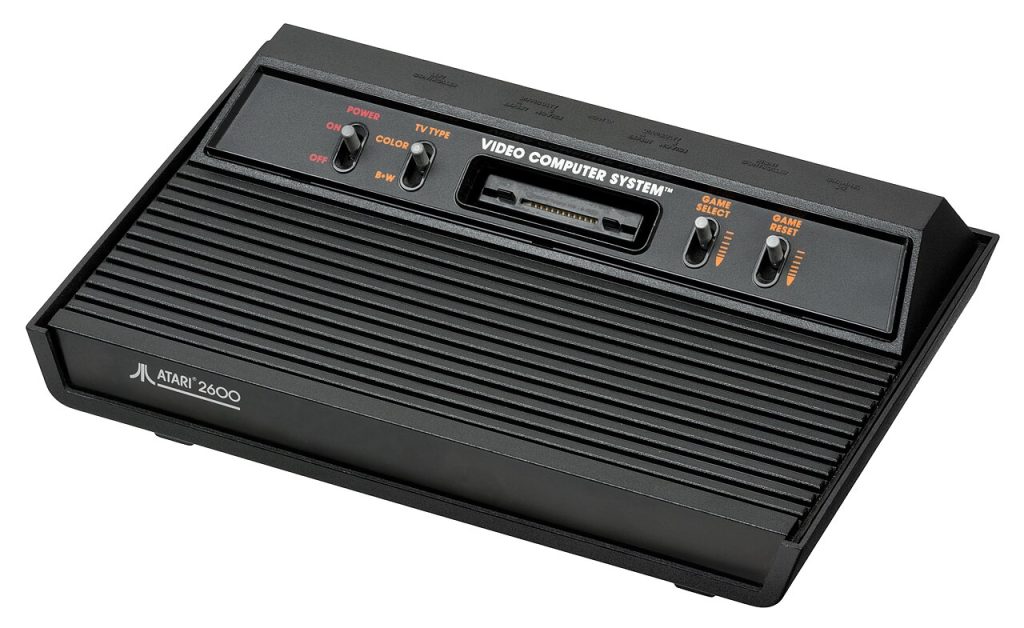
Atari 2600
Atari’s 1977 console became a household name after a 1980 Space Invaders port reportedly quadrupled sales, eventually selling 30 million units before its 1992 discontinuation.
Atari’s 1977 console became a household name after a 1980 Space Invaders port reportedly quadrupled sales, eventually selling 30 million units before its 1992 discontinuation.
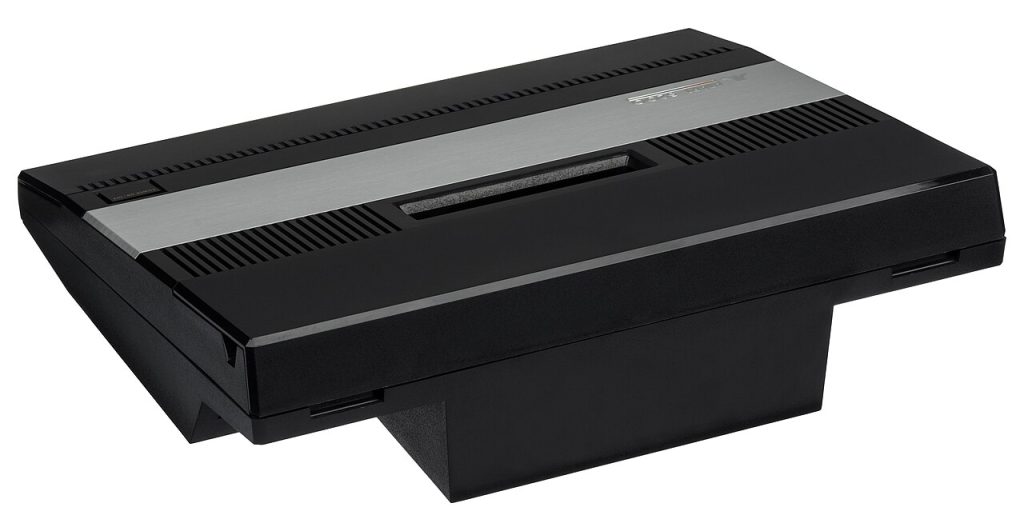
Atari’s 1982 5200 is best remembered for its notoriously unreliable analog joystick—a ‘remarkable propensity for failure’ that made many titles difficult to play accurately.
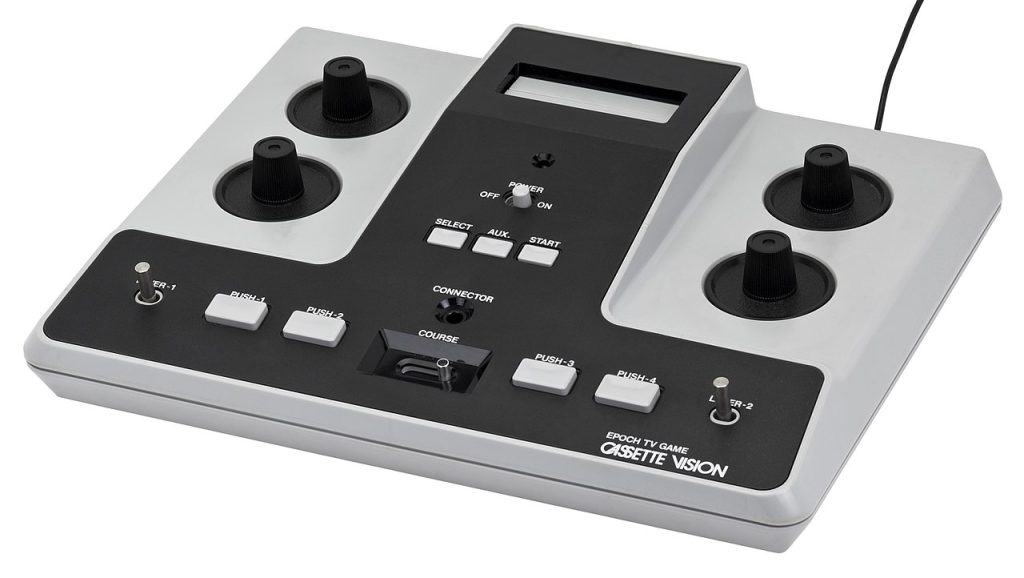
Epoch’s 1981 Cassette Vision briefly dominated Japan’s console market, claiming roughly 70% share by 1982 before Nintendo’s Famicom arrived and erased its lead.
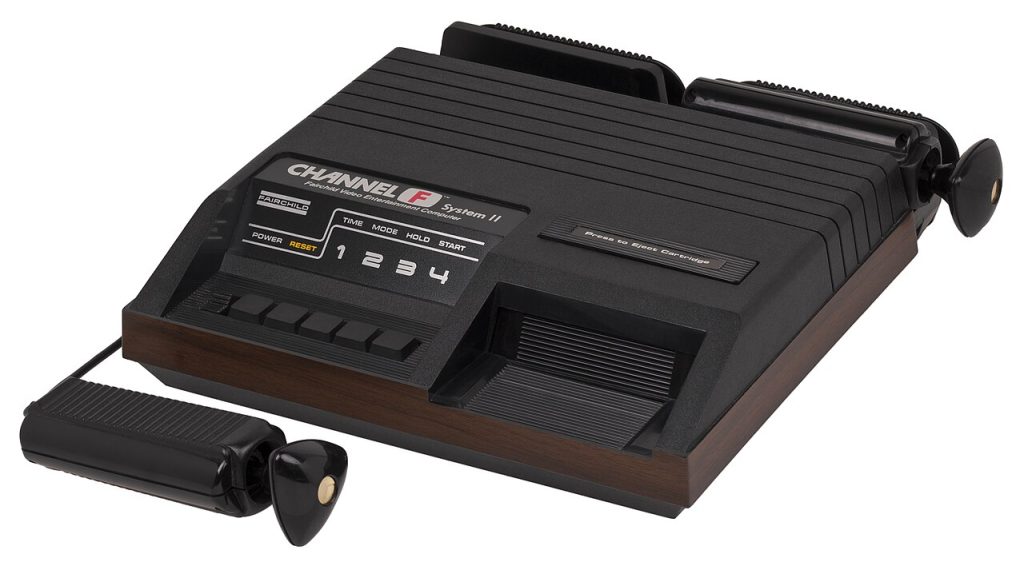
Fairchild’s 1976 Channel F invented the modern console template as the first home system built around a general-purpose microprocessor and swappable ROM cartridges.
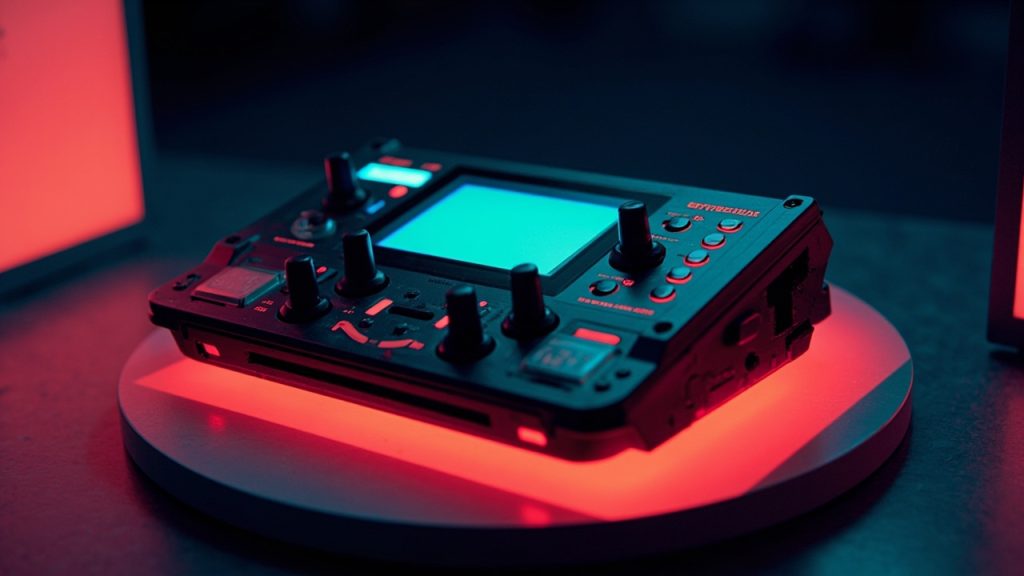
The ROG Xbox Ally debuted in 2025 as Microsoft’s first deep hardware collaboration with a third party, merging the Xbox Full-Screen Experience onto Asus’s second-generation handheld.
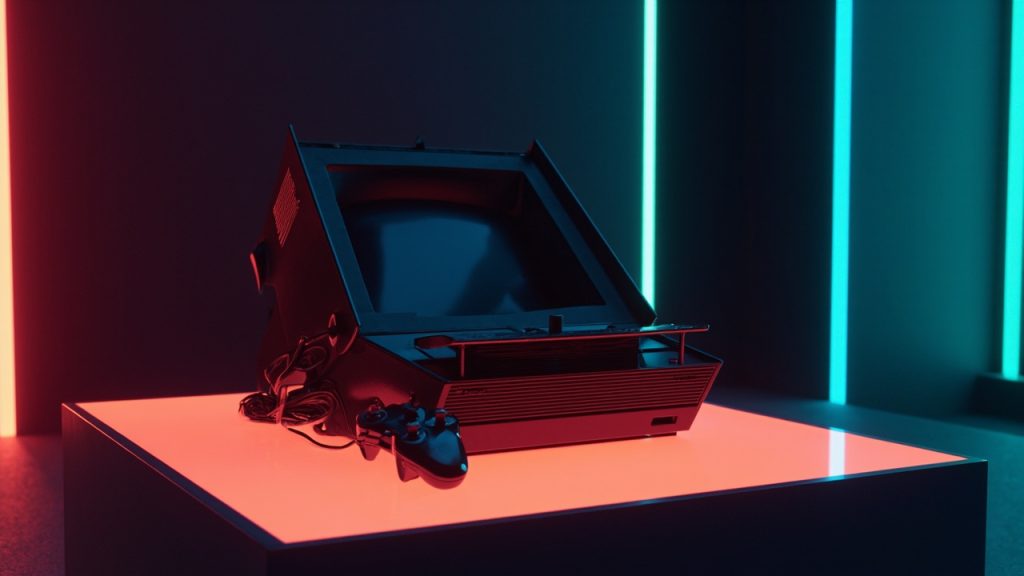
Emerson Radio’s 1982 Arcadia 2001 sold just 20,000-30,000 units before its 1984 exit, yet the Signetics 2650 platform lived on through more than 30 clones across Europe, Asia, and Oceania.
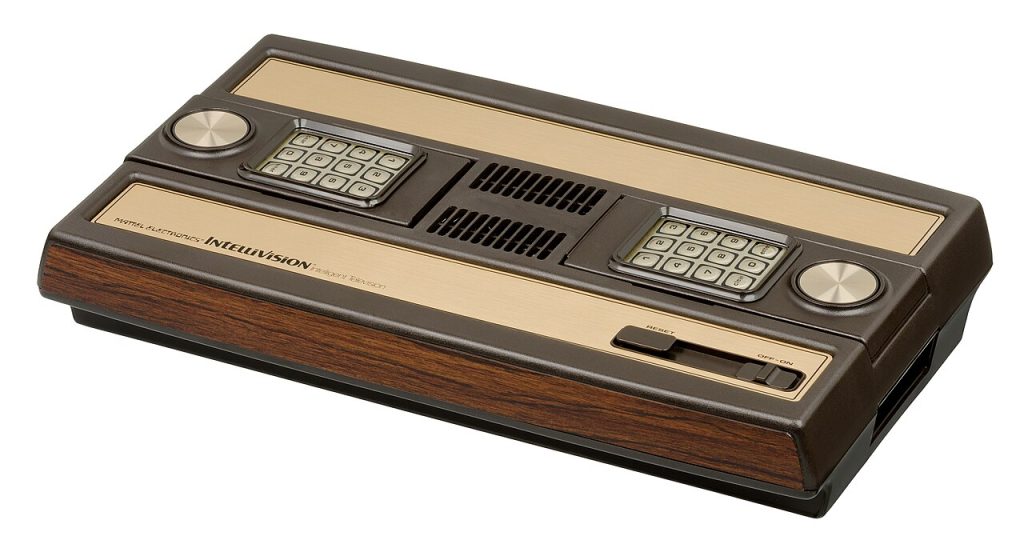
With a 16-bit processor in 1979, Mattel Electronics’ Intellivision positioned itself as the “intelligent television” alternative to the Atari 2600—and for a while, it worked.
Intellivision — Specs, History, Games & Collector Guide | RetroArcade Read More »
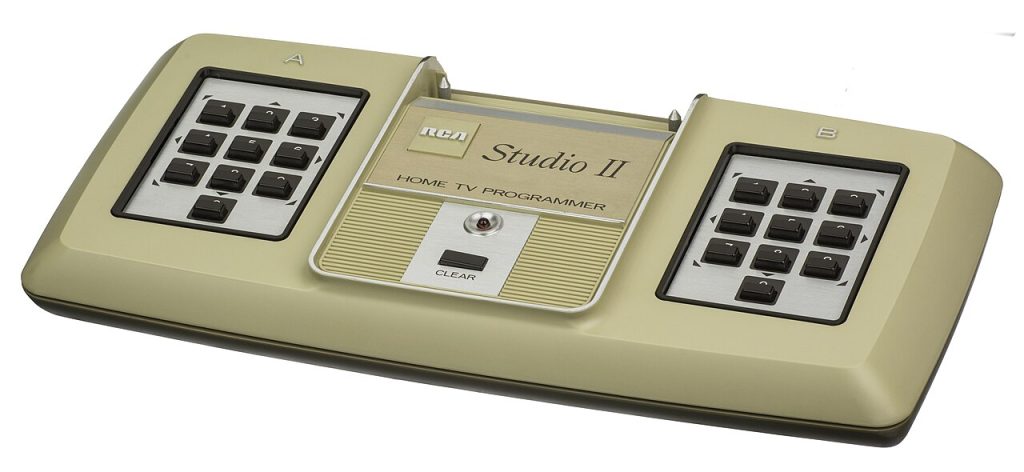
RCA’s 1977 Studio II quietly made history with Joyce Weisbecker’s cartridge—one of the first commercial games written by a woman—before monochrome graphics and rivals sealed its fate.
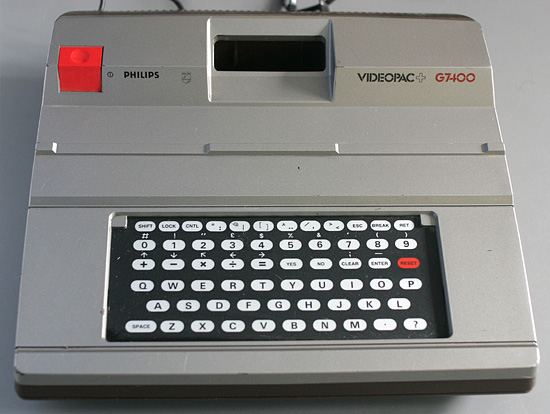
Philips’ 1983 Videopac+ G7400 nearly reached North America as the Odyssey³ Command Center with a mechanical keyboard, but the video game crash of 1983 buried the launch.
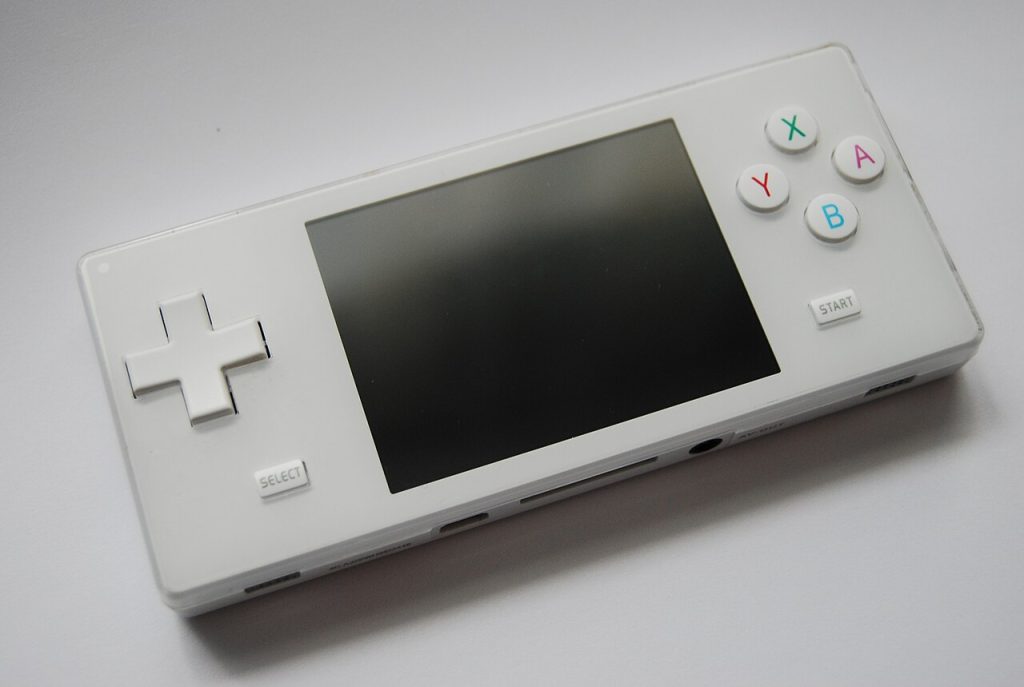
Bally Astrocade by Midway: release date, specs, launch price, top games, and current eBay/Amazon values. Everything collectors need to know.