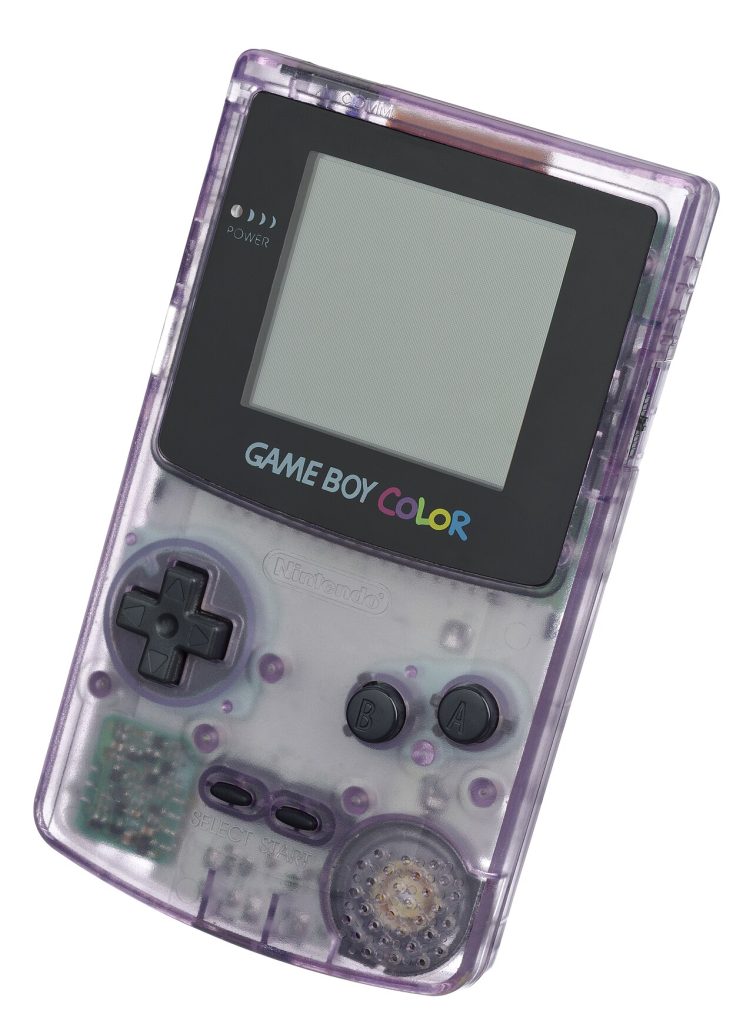
Game Boy Color
Nintendo’s 1998 Game Boy Color refresh sold more than 118 million units combined with its predecessor, reigning as best-selling handheld until the Nintendo DS finally overtook it.
Nintendo’s 1998 Game Boy Color refresh sold more than 118 million units combined with its predecessor, reigning as best-selling handheld until the Nintendo DS finally overtook it.
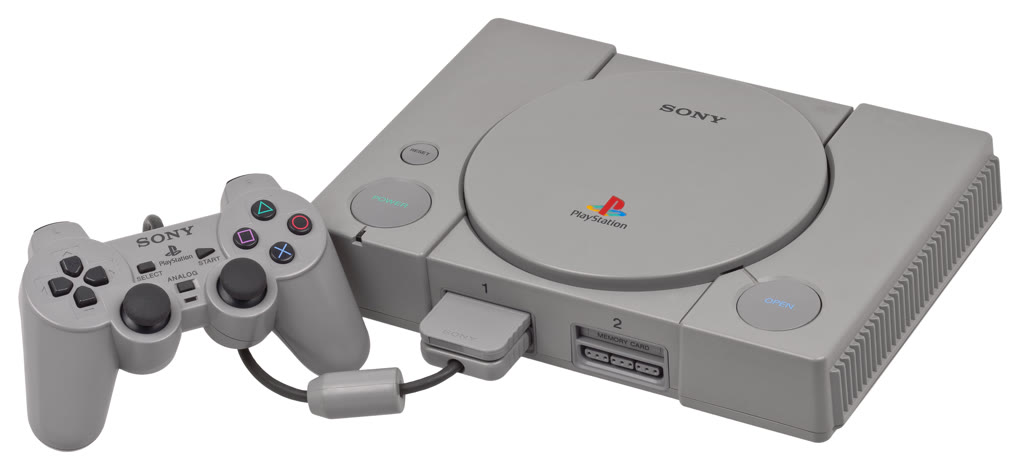
In 1995, Sony’s PlayStation became the first console to cross 100 million units worldwide, built on a CD-ROM gamble that lured publishers away from cartridge-based rivals.
PlayStation — Specs, History, Games & Collector Guide | RetroArcade Read More »
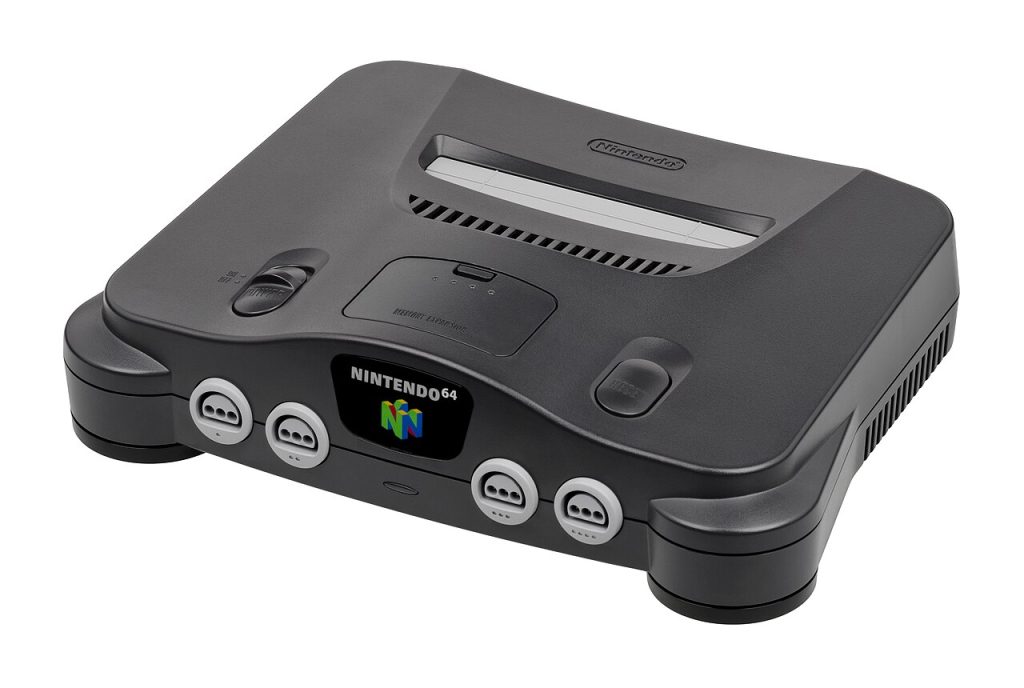
Nintendo’s 1996 choice of cartridges over CD-ROM defined the Nintendo 64’s legacy, costing it Square and Final Fantasy but yielding timeless titles like Ocarina of Time.
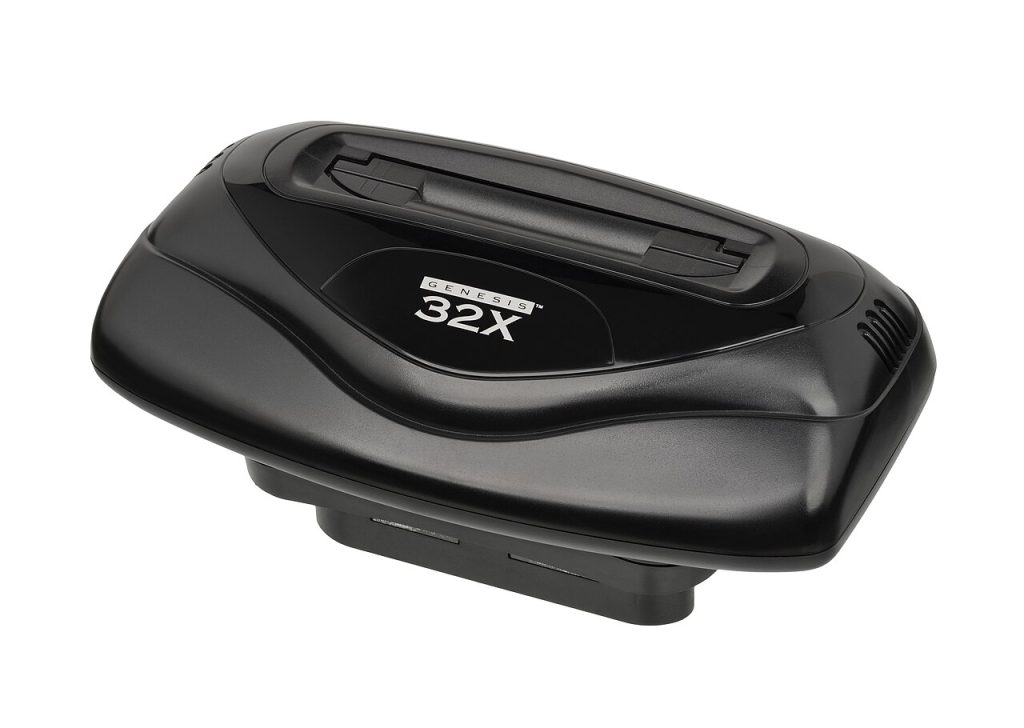
Sega’s 1994 Genesis add-on promised 32-bit power but was catastrophically undermined by the Saturn’s simultaneous announcement, ending with just 40 games.
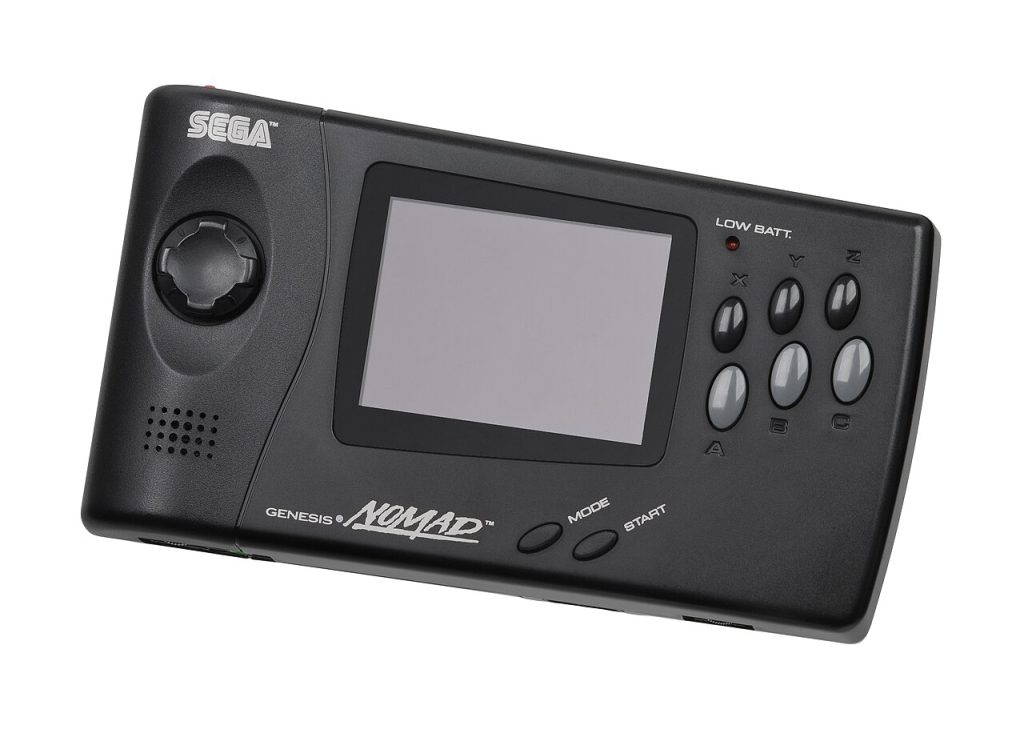
Sega’s 1995 Genesis Nomad was the first true 16-bit handheld, and uniquely for its era, the only portable that could both display games on its own screen and output them to a TV.
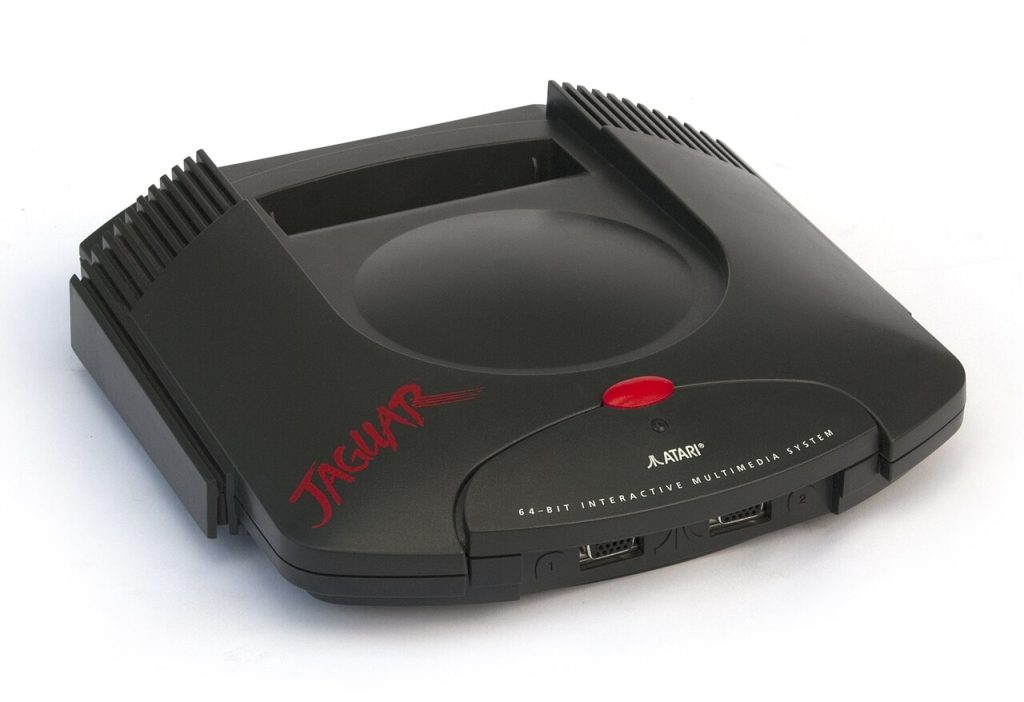
Marketed as the world’s first 64-bit console, the 1993 Atari Jaguar proved difficult for developers, leaving a thin library and fewer than 150,000 units sold before its 1996 cancellation.
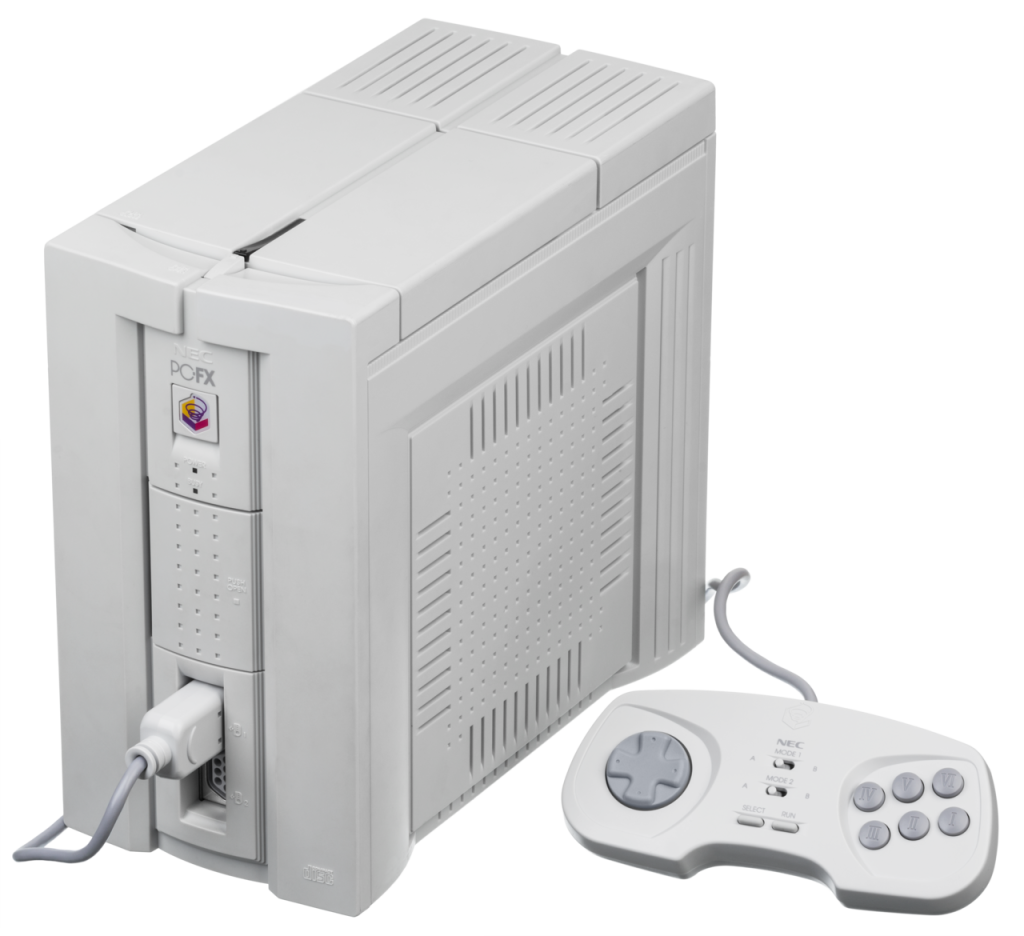
NEC and Hudson Soft launched the PC-FX in Japan in 1994, betting on anime FMV over 3D polygons — a strategy Sega’s Saturn and Sony’s PlayStation made obsolete almost overnight.
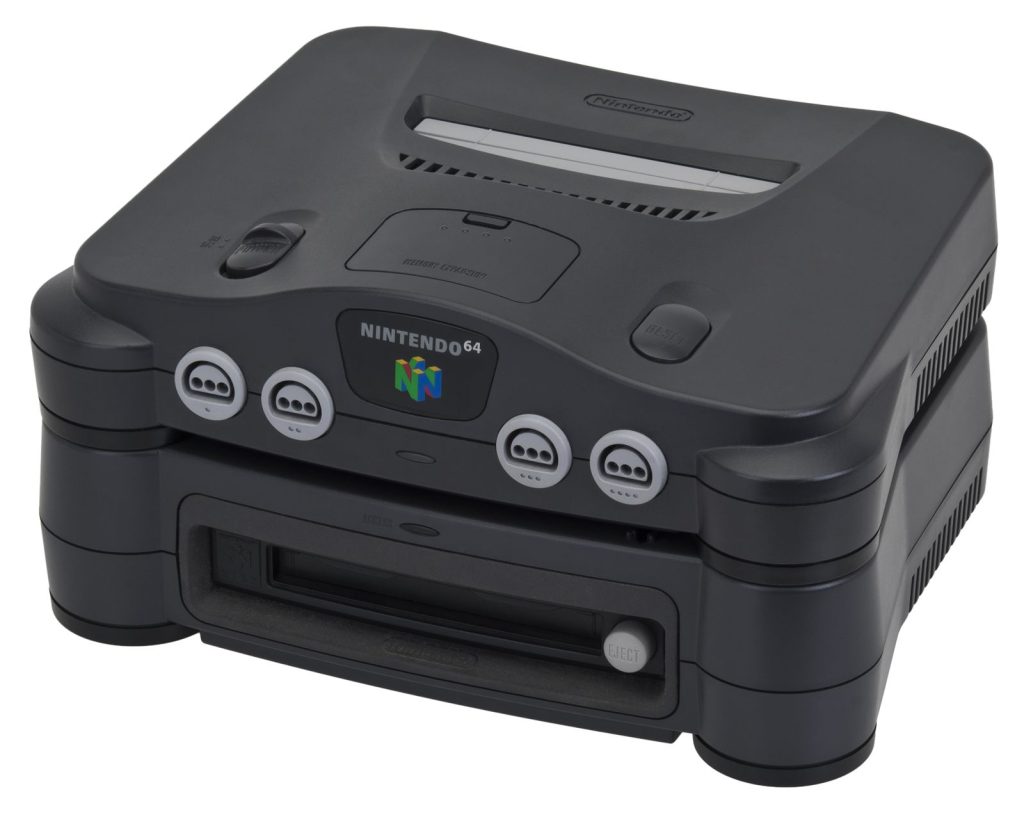
Nintendo’s Japan-only 1999 N64 disk drive sold just 15,000 units and shipped only ten disks, yet its design ideas seeded Animal Crossing, Nintendogs, and the Wii’s Mii characters.
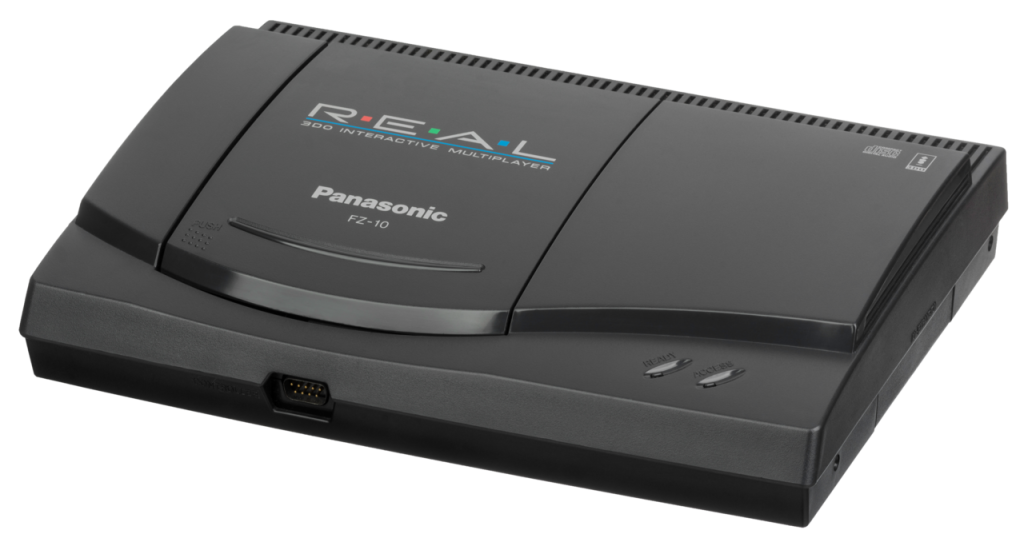
In 1993, The 3DO Company launched a console it didn’t manufacture—instead licensing the design to Panasonic, Sanyo, and GoldStar, a truly unusual hardware experiment.
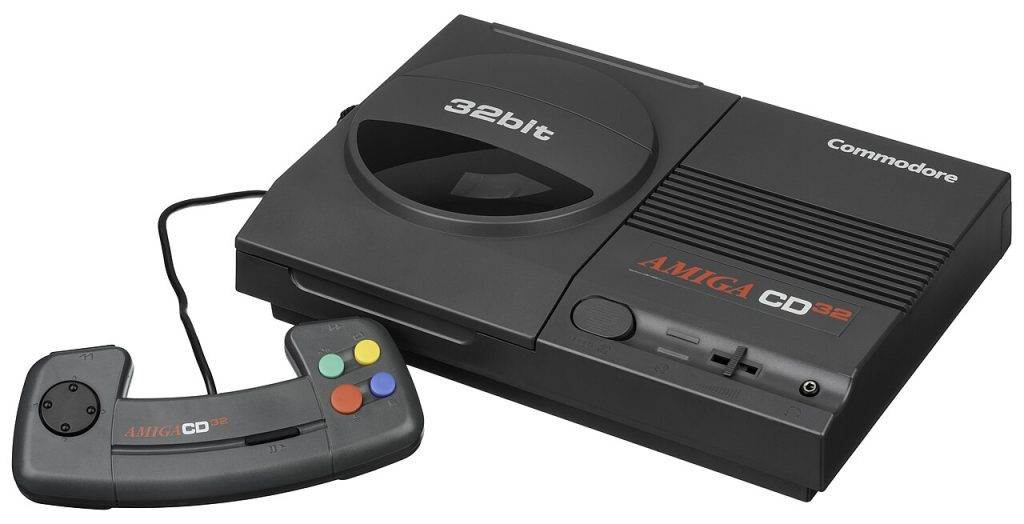
Marketed as Europe’s first 32-bit console at its 1993 debut, Commodore’s CD32 was discontinued alongside the company’s bankruptcy just eight months later, moving roughly 100,000 units.