Sega Video Driver
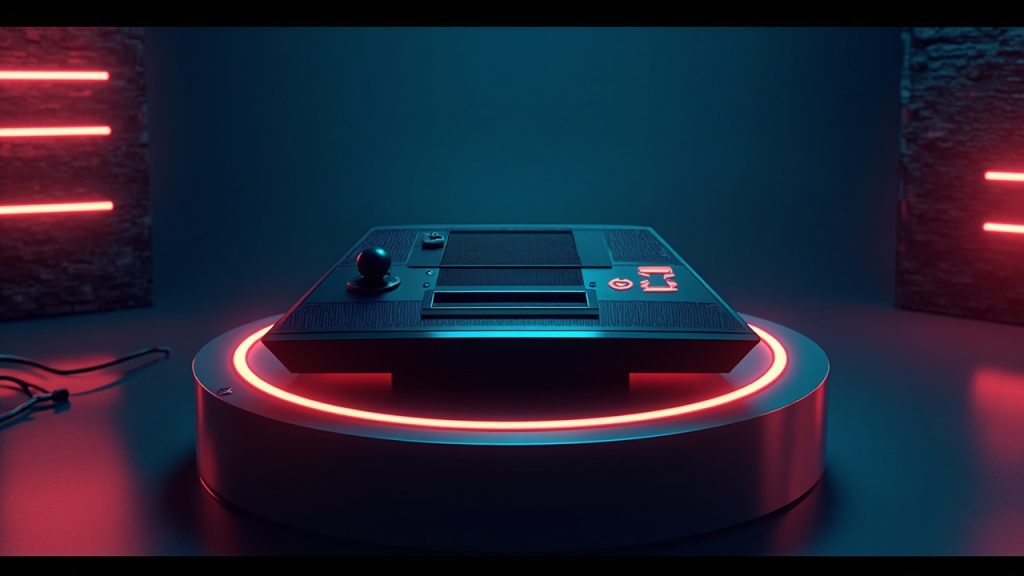
Sega’s 1988 Video Driver was a fourth-generation home console that used VHS tapes and a mechanical steering wheel controller for cinematic driving games.
Sega’s 1988 Video Driver was a fourth-generation home console that used VHS tapes and a mechanical steering wheel controller for cinematic driving games.
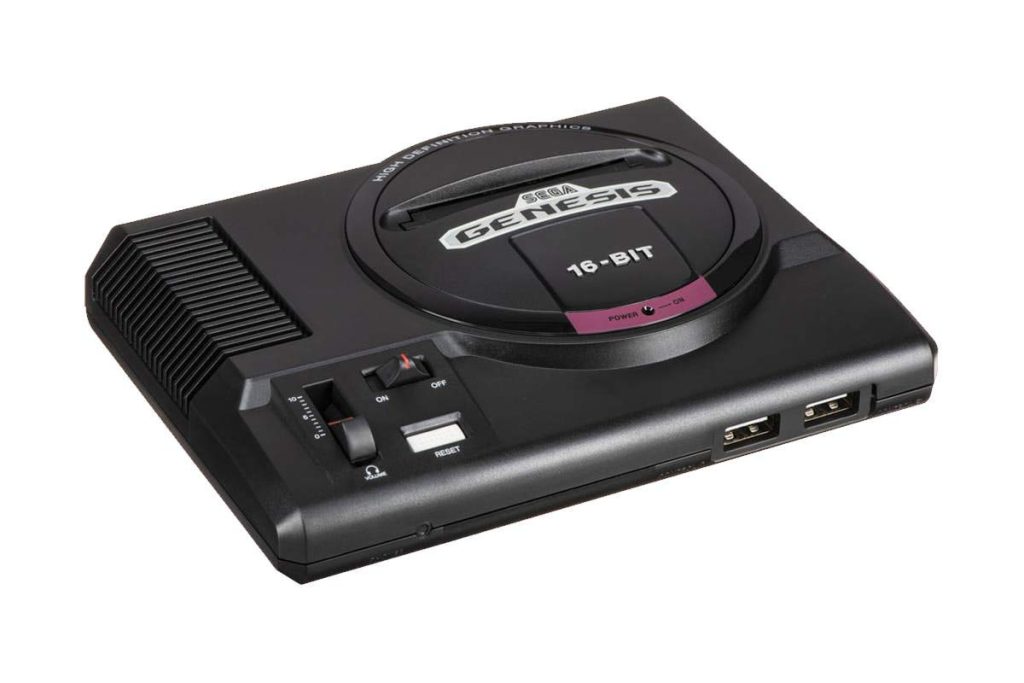
Released by Sega in 1988, the Genesis became a legal landmark in 1992 when a federal court ruled Accolade’s reverse engineering of its lockout hardware was fair use.
Sega Genesis / Mega Drive Read More »
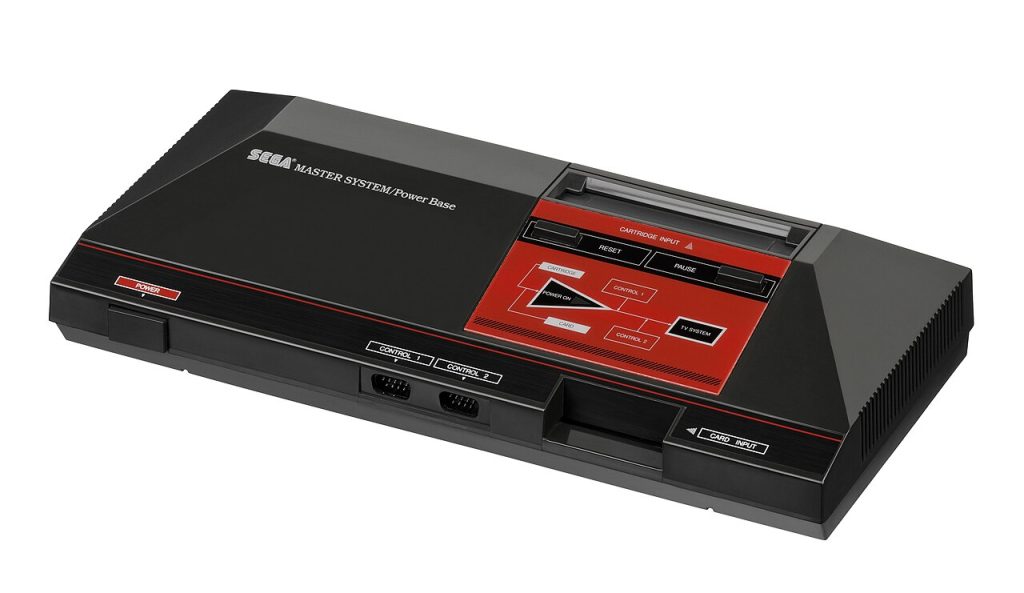
Sega’s Master System, released in 1985, achieved unexpected immortality in Brazil, where Tectoy kept producing new titles through 1997 and roughly 5 million units remained in homes by 2012.
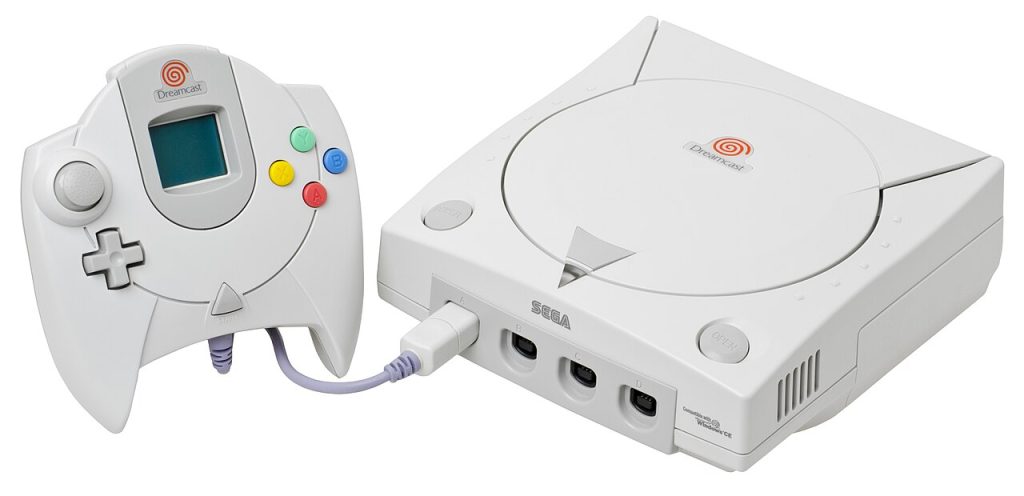
Sega’s 1998 Dreamcast launched with a built-in modem, beating Sony, Nintendo, and Microsoft to online play by years, and ultimately became Sega’s final console.
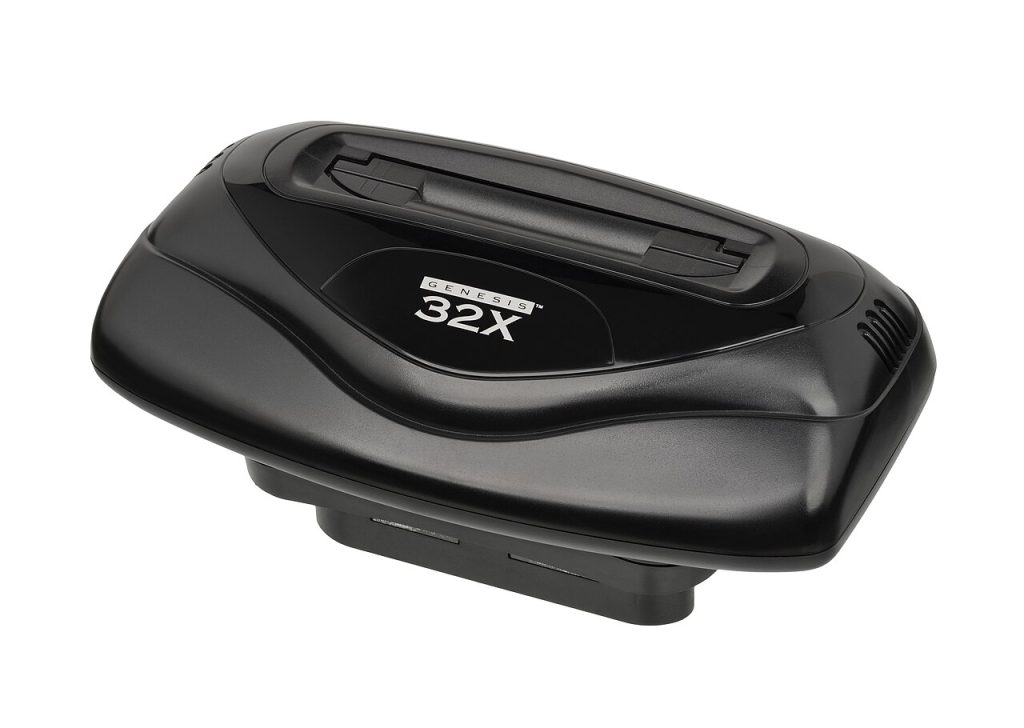
Sega’s 1994 Genesis add-on promised 32-bit power but was catastrophically undermined by the Saturn’s simultaneous announcement, ending with just 40 games.
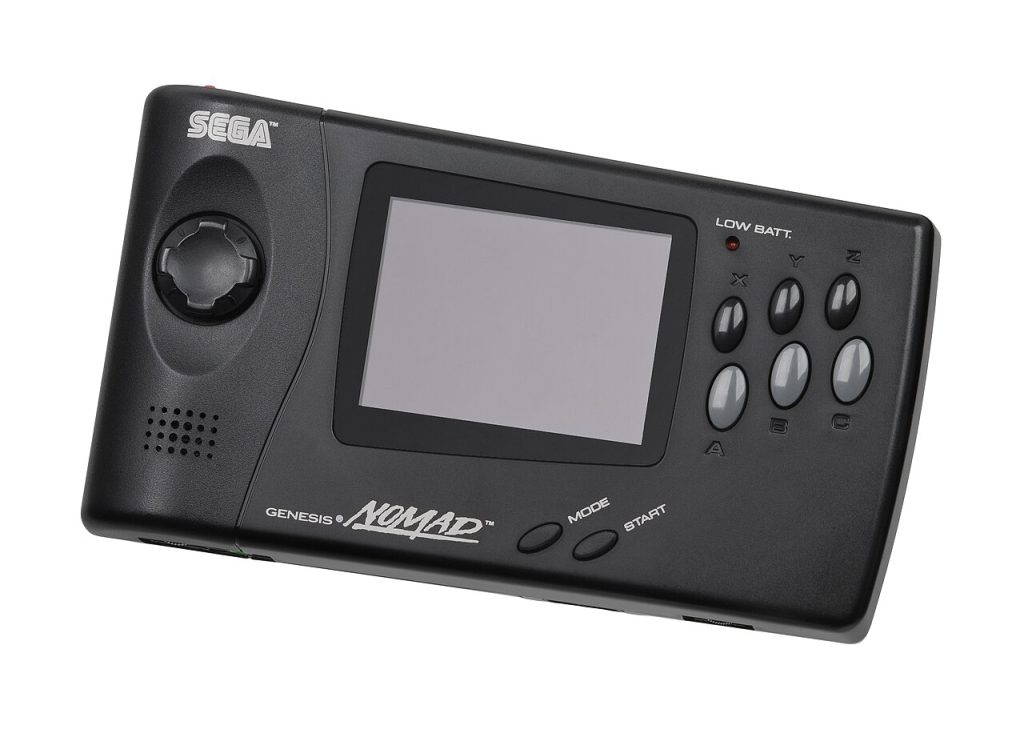
Sega’s 1995 Genesis Nomad was the first true 16-bit handheld, and uniquely for its era, the only portable that could both display games on its own screen and output them to a TV.

Sega Toys’ Advanced Pico Beena launched in Japan on August 6, 2005, and is often called Sega’s last true console—never officially discontinued, it quietly gave way to the ePico.
Advanced Pico Beena Read More »
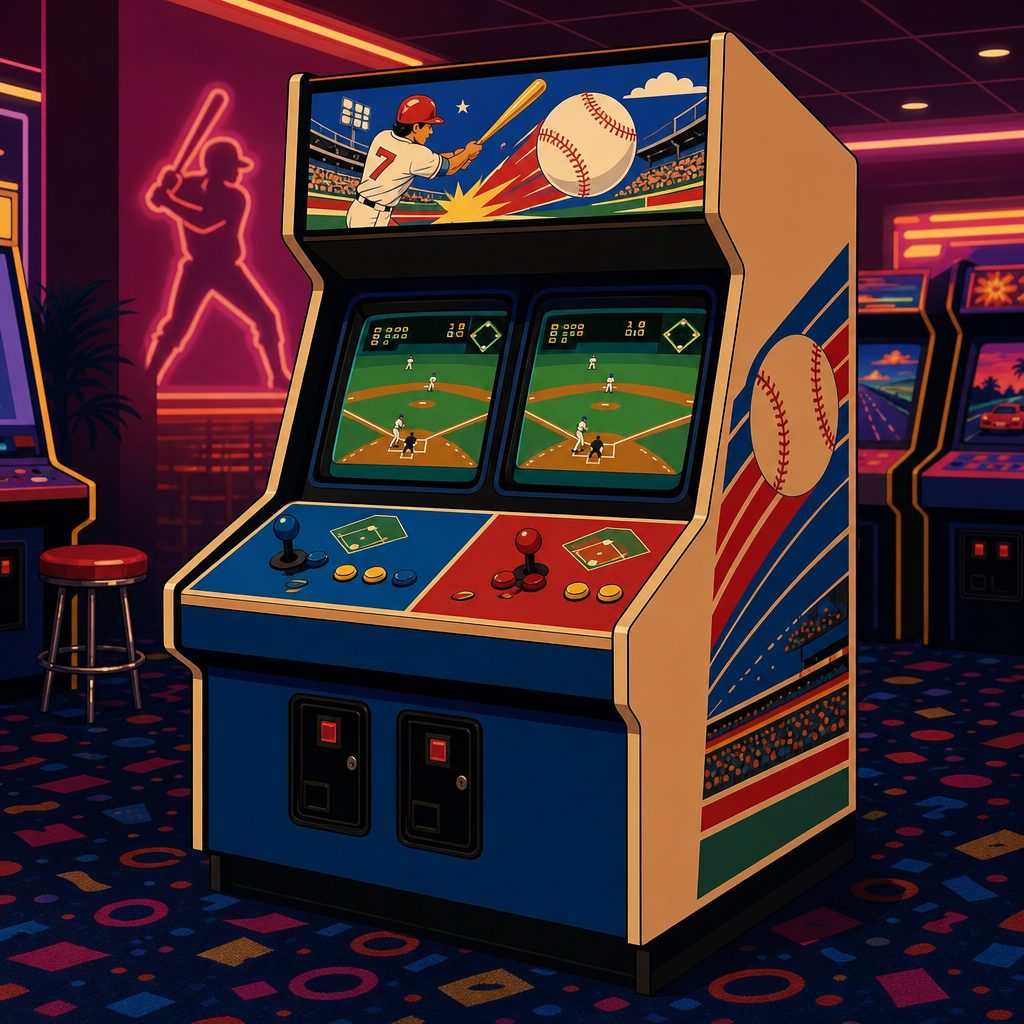
Sega’s 1983 arcade hit Champion Baseball topped Japan’s Game Machine charts for three consecutive months, with operators reporting more than 15,000 cabinets sold by early June.
Champion Baseball’s split-screen design—an unusual 1983 approach pairing outfield and batter views—propelled Sega’s arcade game to the top of Japan’s coin-op charts for three months.

Sega’s 1982 maze arcade game Pengo starred an anthropomorphic penguin whose block-pushing, enemy-trapping mechanic would directly shape Hudson Soft’s Bomberman series.