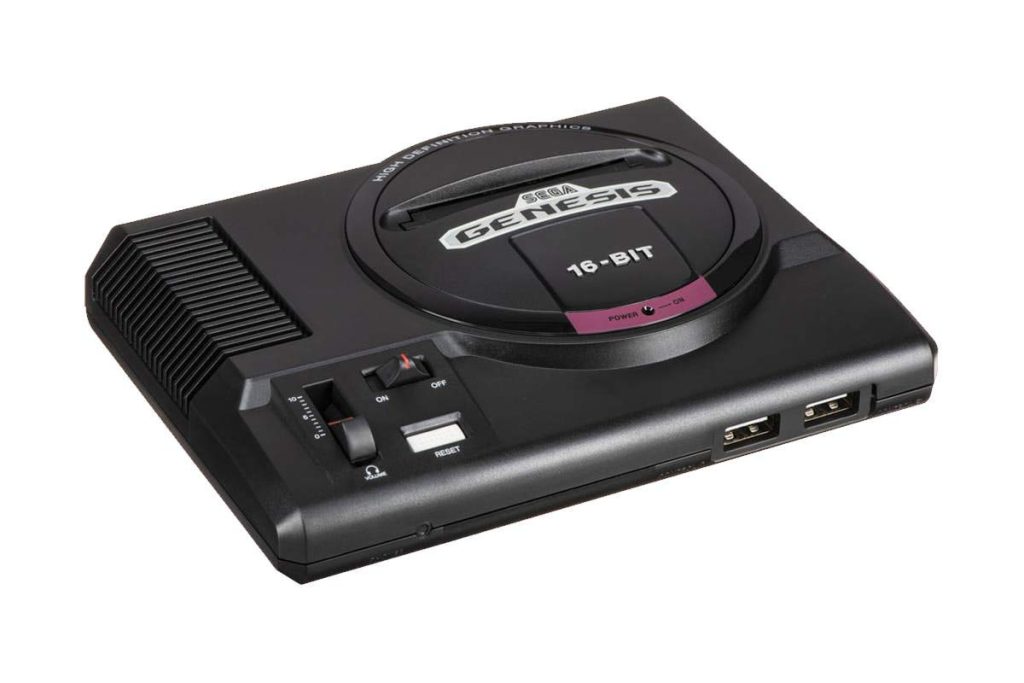
Sega Genesis / Mega Drive
Released by Sega in 1988, the Genesis became a legal landmark in 1992 when a federal court ruled Accolade’s reverse engineering of its lockout hardware was fair use.
Sega Genesis / Mega Drive Read More »
Released by Sega in 1988, the Genesis became a legal landmark in 1992 when a federal court ruled Accolade’s reverse engineering of its lockout hardware was fair use.
Sega Genesis / Mega Drive Read More »
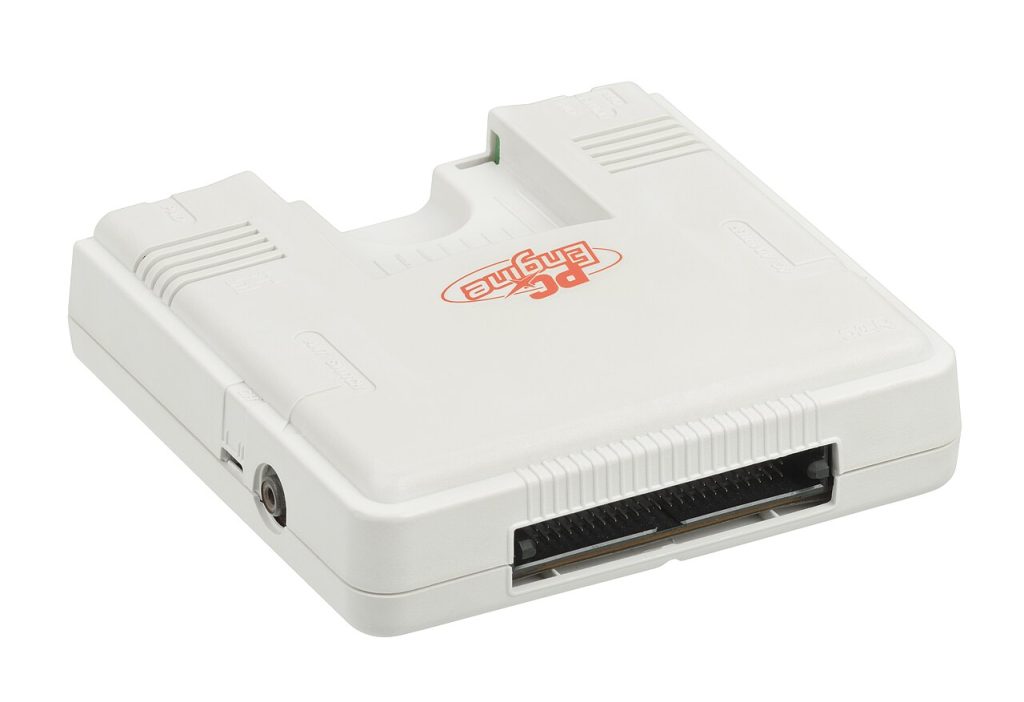
Born from Hudson Soft’s rejected Nintendo pitch, NEC’s 1987 PC Engine delivered arcade-caliber graphics and pioneered the first CD add-on for a home console.
PC Engine/TurboGrafx-16 Read More »
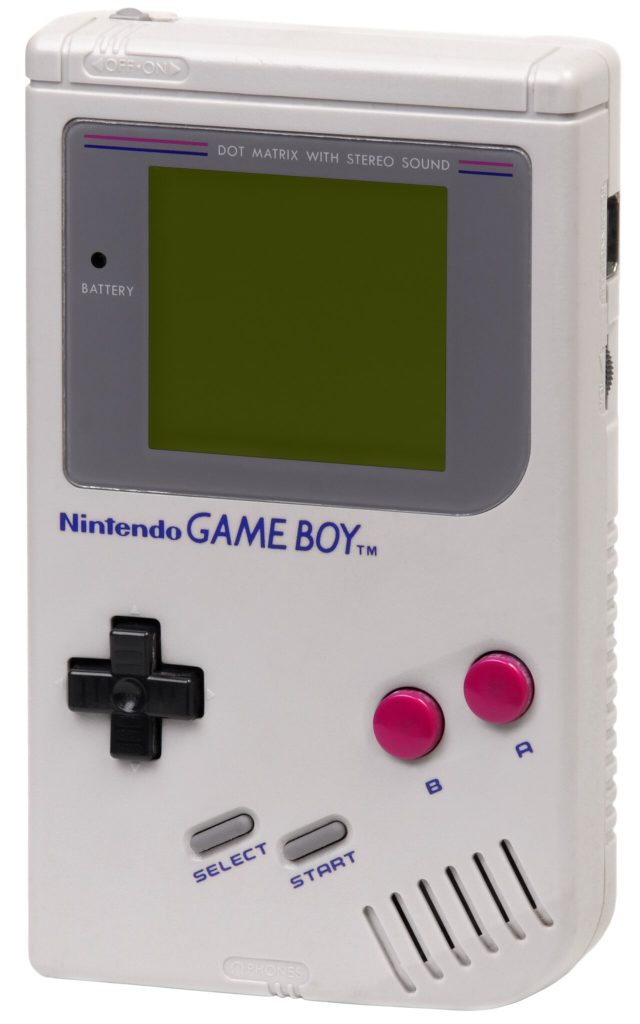
Nintendo’s 1989 Game Boy shipped with a deliberately monochrome screen to stretch battery life, yet still outsold color rivals like the Game Gear and Lynx.
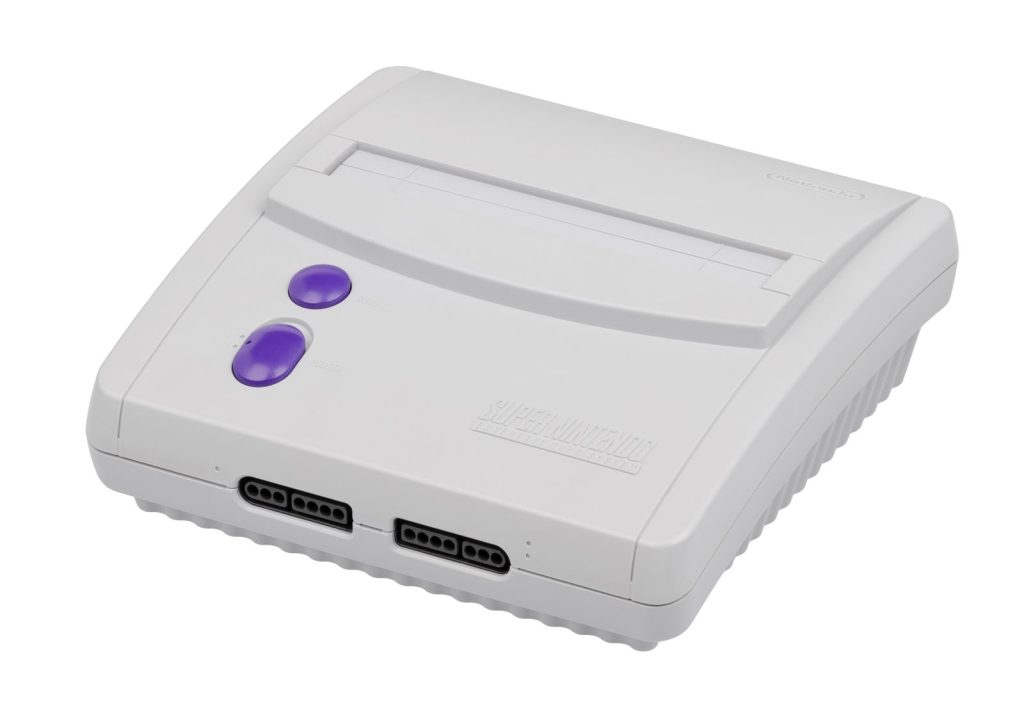
Nintendo’s Super Famicom launched in Japan in 1990, took on Sega’s two-year head start with Mode 7 tricks and coprocessors, and outsold the Genesis 49.1 million to 30.75 million.
Super NES/Super Famicom Read More »
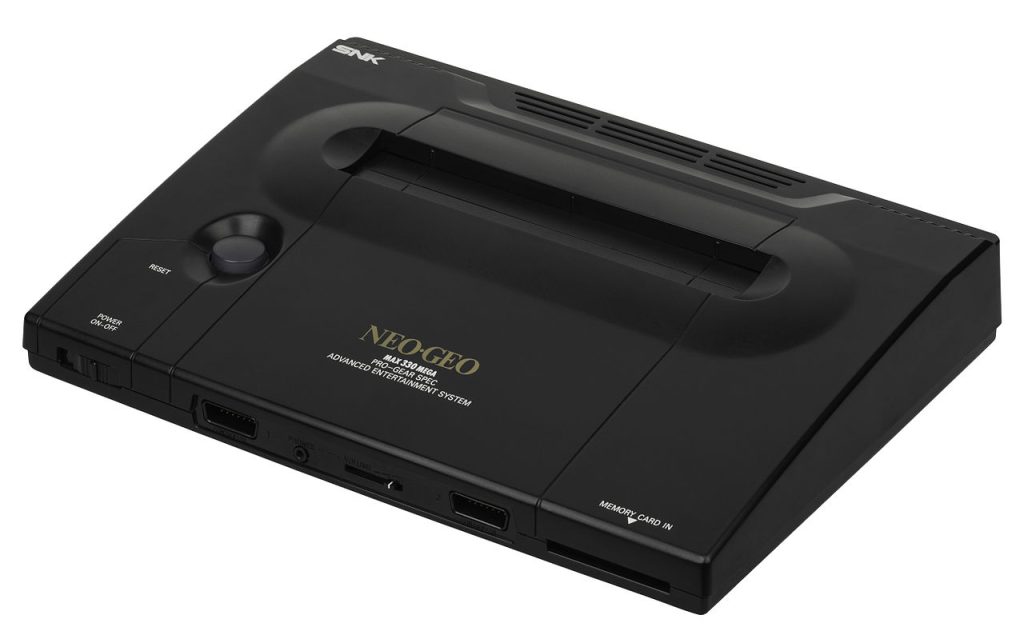
Released by SNK in 1990, the Neo Geo AES ran the same board as the company’s MVS arcade cabinets — true arcade parity at home, but at a record $649.99 launch price.
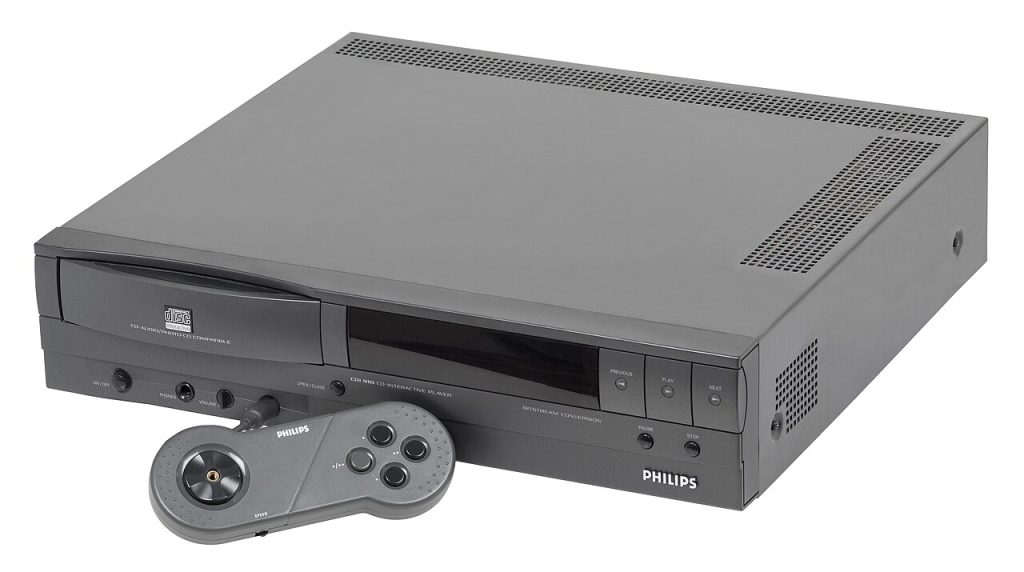
Philips’ 1991 CD-i is remembered chiefly for Nintendo’s infamous Mario and Zelda releases, born from a canceled SNES CD-ROM partnership and derided for stiff animation.
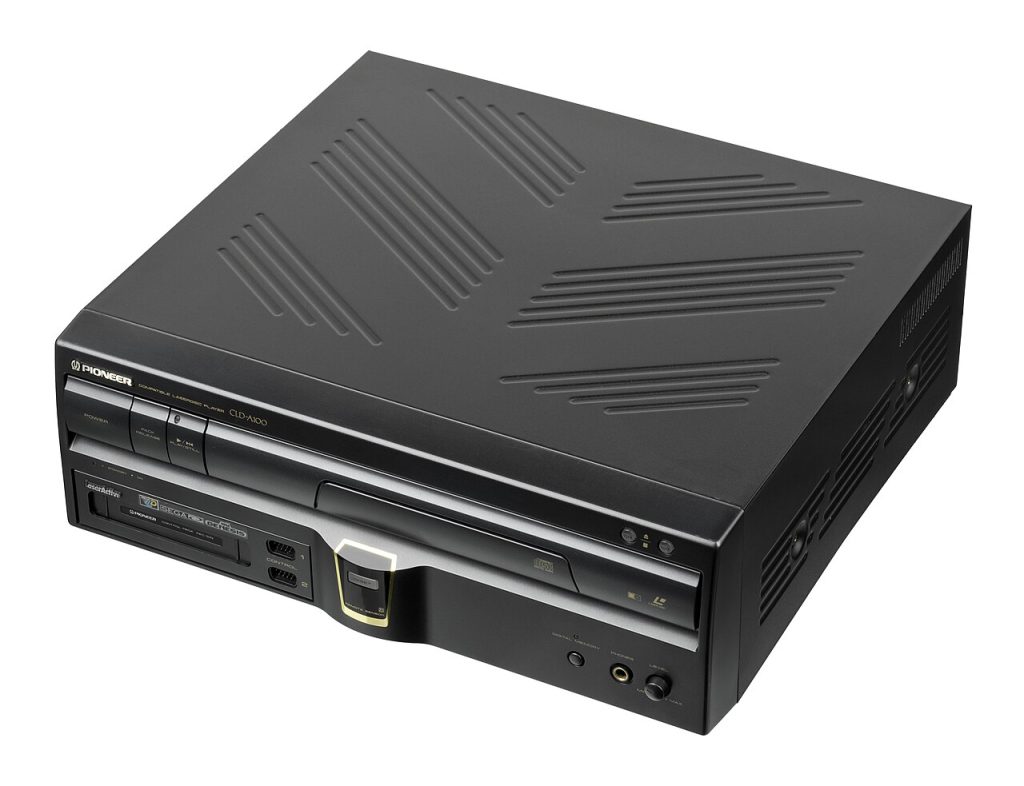
Pioneer’s 1993 LaserActive was a bold hybrid: a $970 LaserDisc player that needed $600 PAC modules just to run any games at all. It sold roughly 10,000 units.
Pioneer LaserActive Read More »
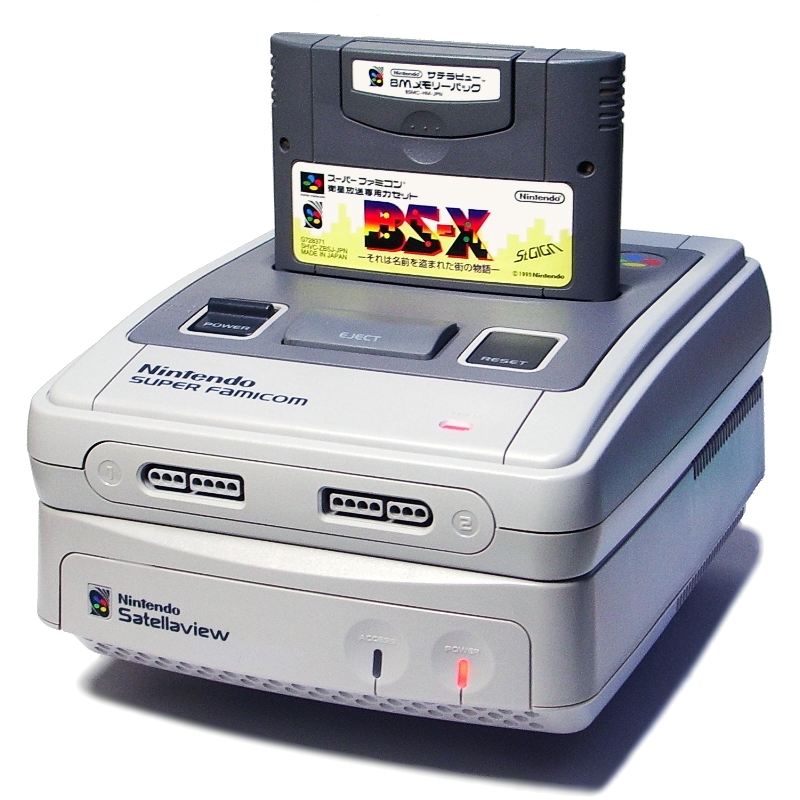
Nintendo’s 1995 Satellaview beamed games via satellite into Japanese homes, with most titles only existing during their broadcast window before preservationists salvaged them.
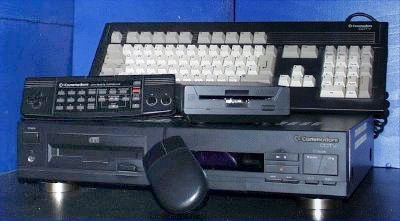
Commodore’s 1991 CDTV was the first major console-format application of CD-ROM storage, but a $999 launch price and a library of ported Amiga titles kept sales to roughly 54,800 units.
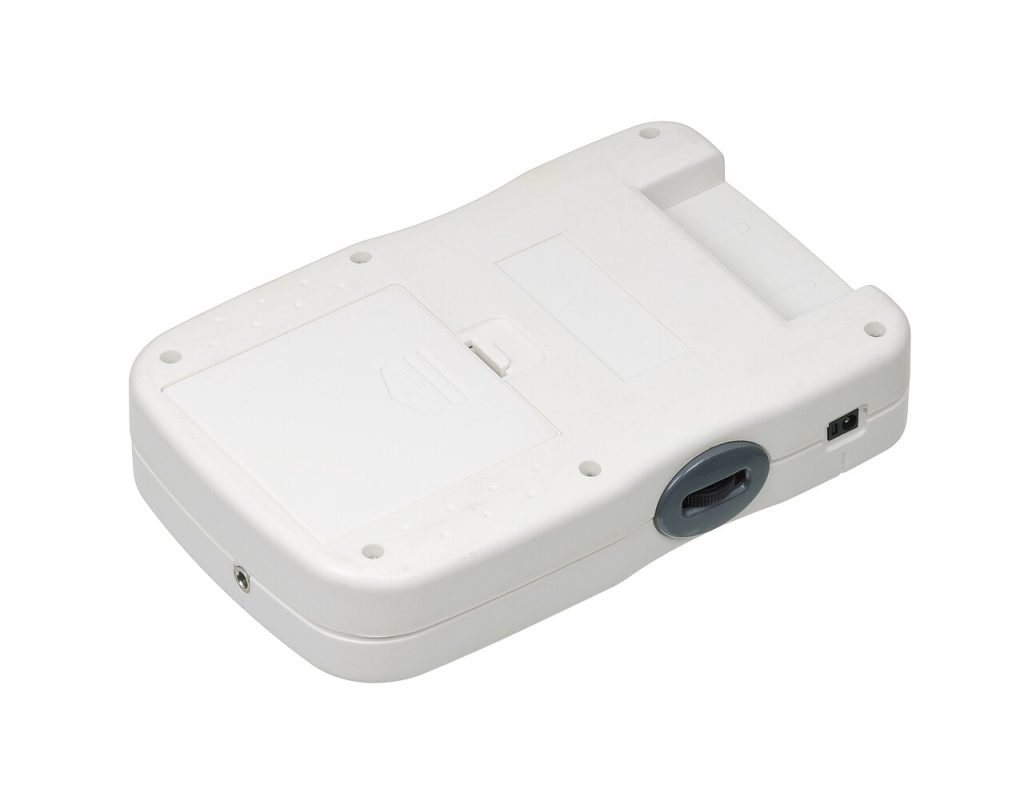
Mega Duck by Welback Holdings: release date, specs, launch price, top games, and current eBay/Amazon values. Everything collectors need to know.