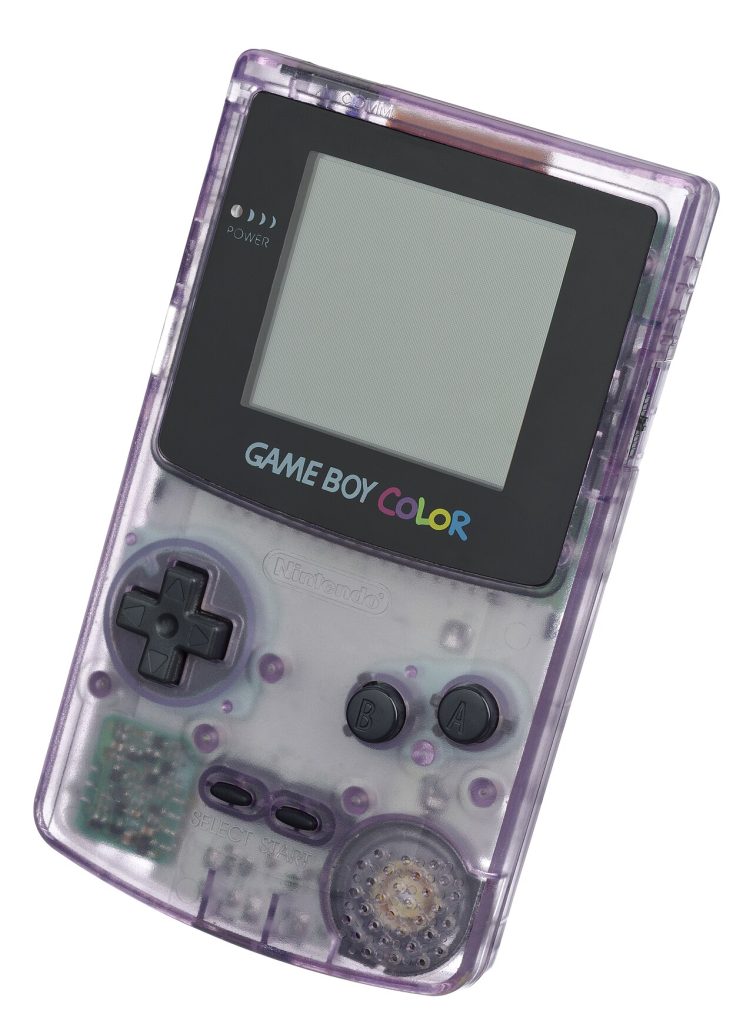
Game Boy Color
Nintendo’s 1998 Game Boy Color refresh sold more than 118 million units combined with its predecessor, reigning as best-selling handheld until the Nintendo DS finally overtook it.
Nintendo’s 1998 Game Boy Color refresh sold more than 118 million units combined with its predecessor, reigning as best-selling handheld until the Nintendo DS finally overtook it.
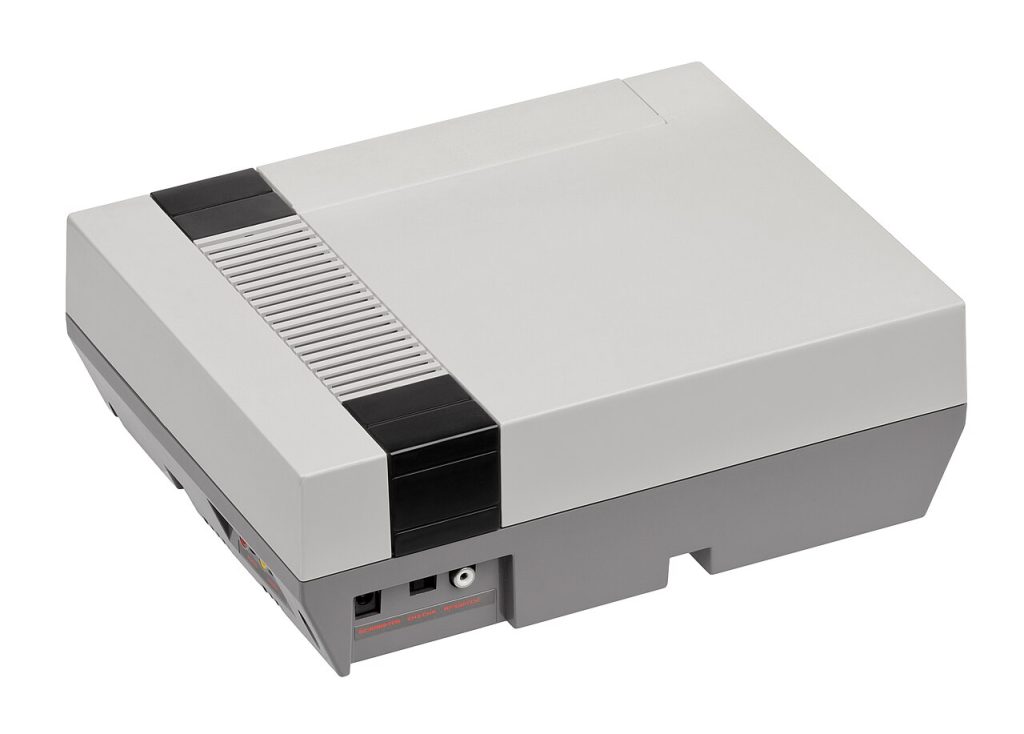
Nintendo’s Famicom, launched in Japan in 1983, rescued a North American market gutted by the 1983 crash—arriving stateside in 1986 with a Zapper and the quirky R.O.B. robot.
NES/Family Computer Read More »
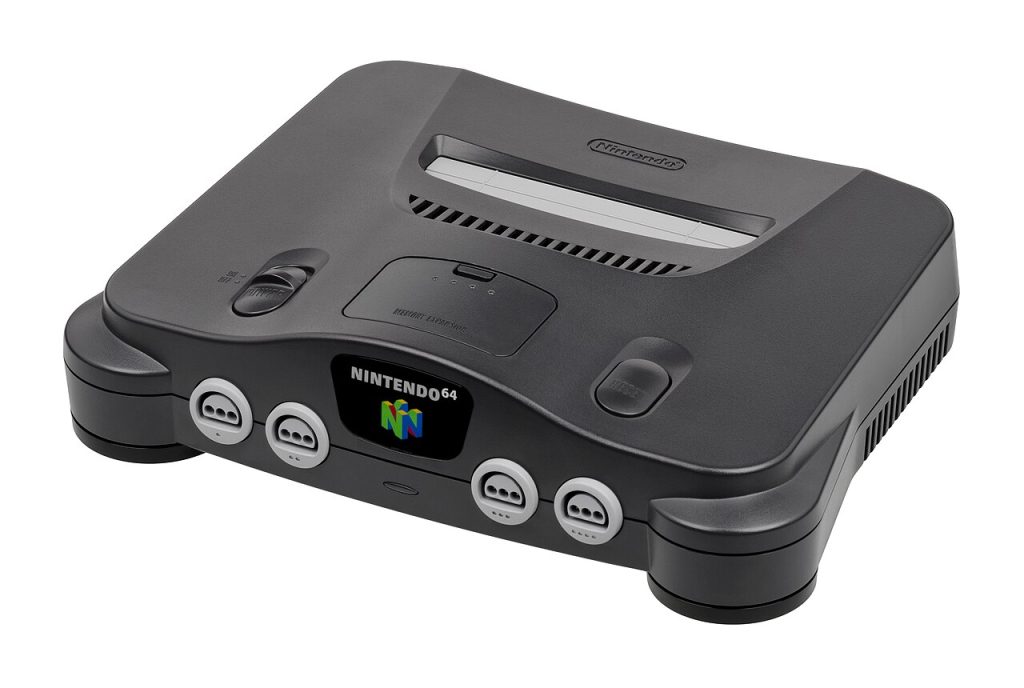
Nintendo’s 1996 choice of cartridges over CD-ROM defined the Nintendo 64’s legacy, costing it Square and Final Fantasy but yielding timeless titles like Ocarina of Time.
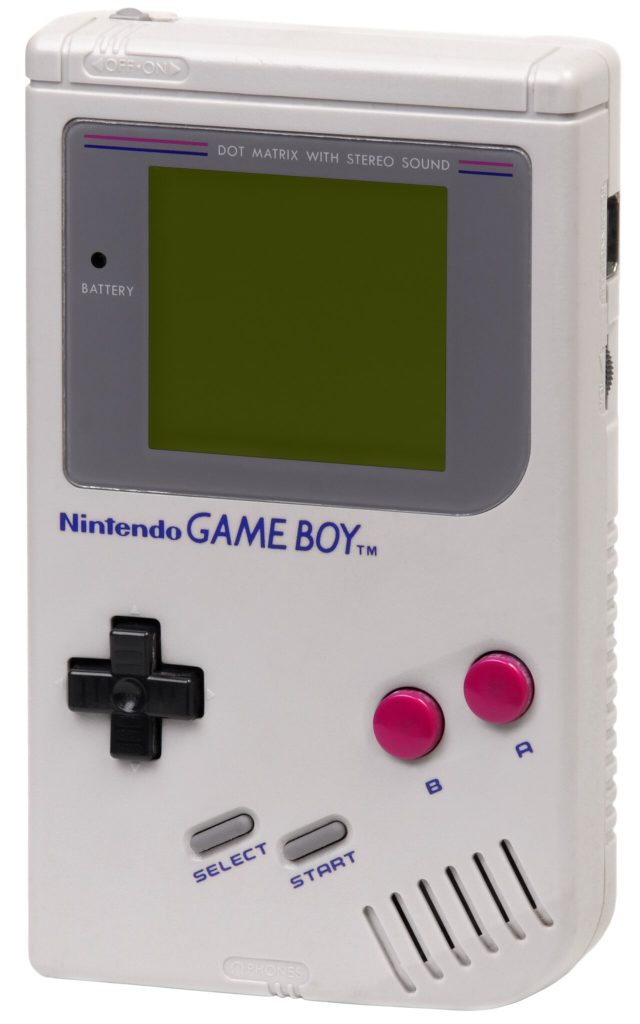
Nintendo’s 1989 Game Boy shipped with a deliberately monochrome screen to stretch battery life, yet still outsold color rivals like the Game Gear and Lynx.
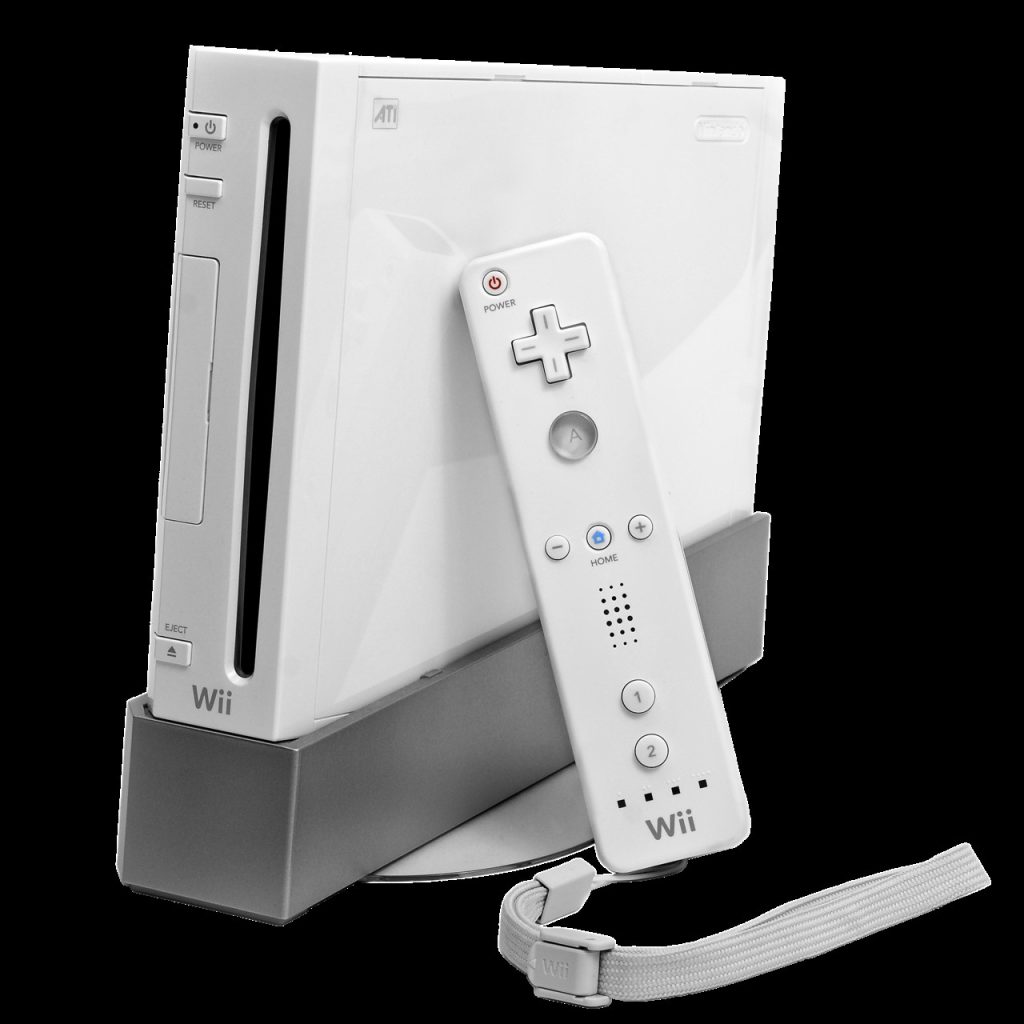
Nintendo’s 2006 Wii sold 101.63 million units by betting on motion controls when rivals chased graphical horsepower, becoming the third-best-selling home console ever.
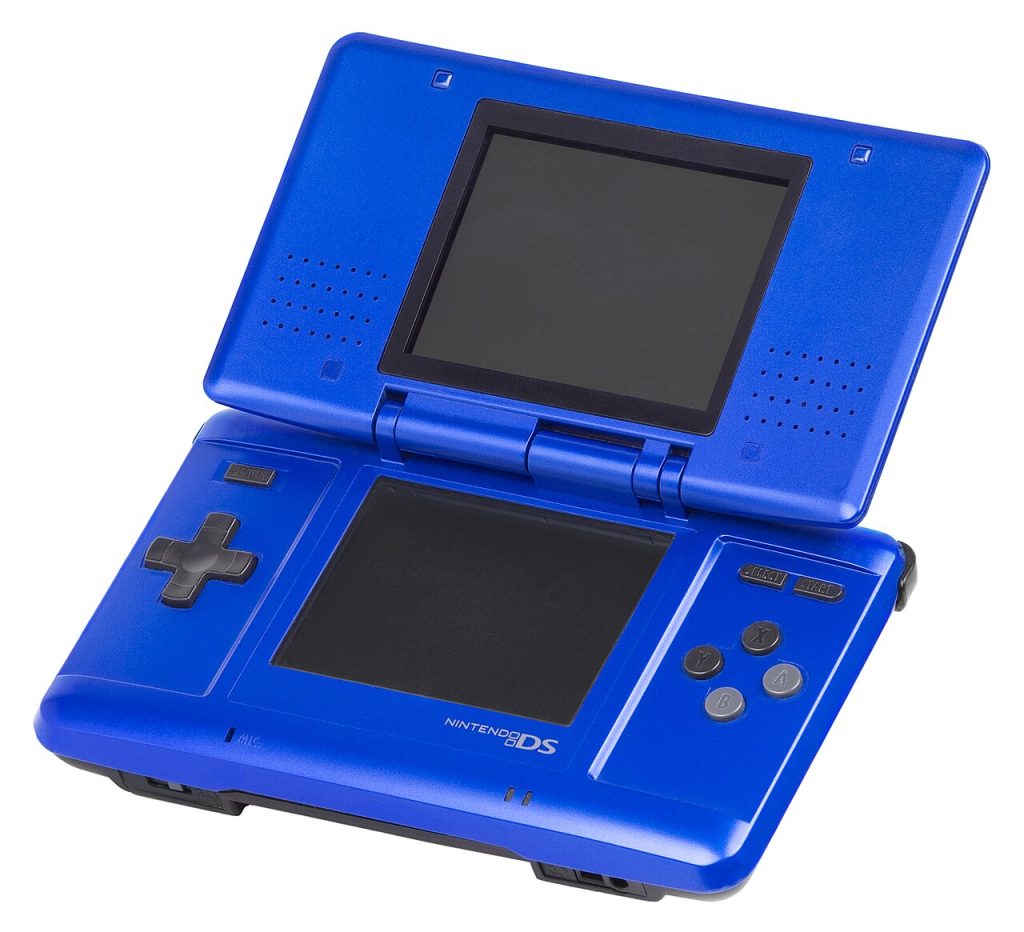
Nintendo’s 2004 handheld introduced dual screens and touch input to mainstream play, going on to sell 154.02 million units and rank third among all consoles ever sold.
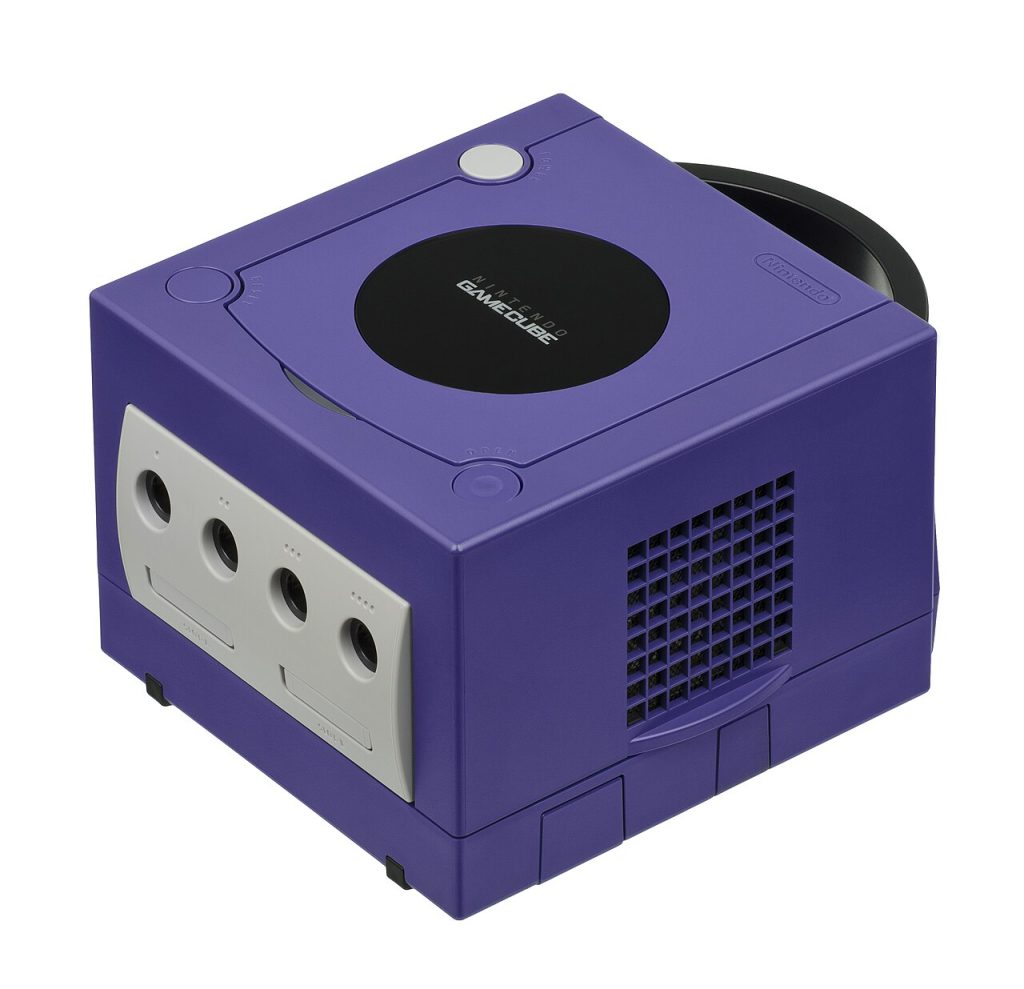
Nintendo’s first disc-based home console, codenamed Dolphin, debuted in 2001 by swapping cartridges for proprietary miniDVDs—yielding one of the company’s fondest-remembered libraries.
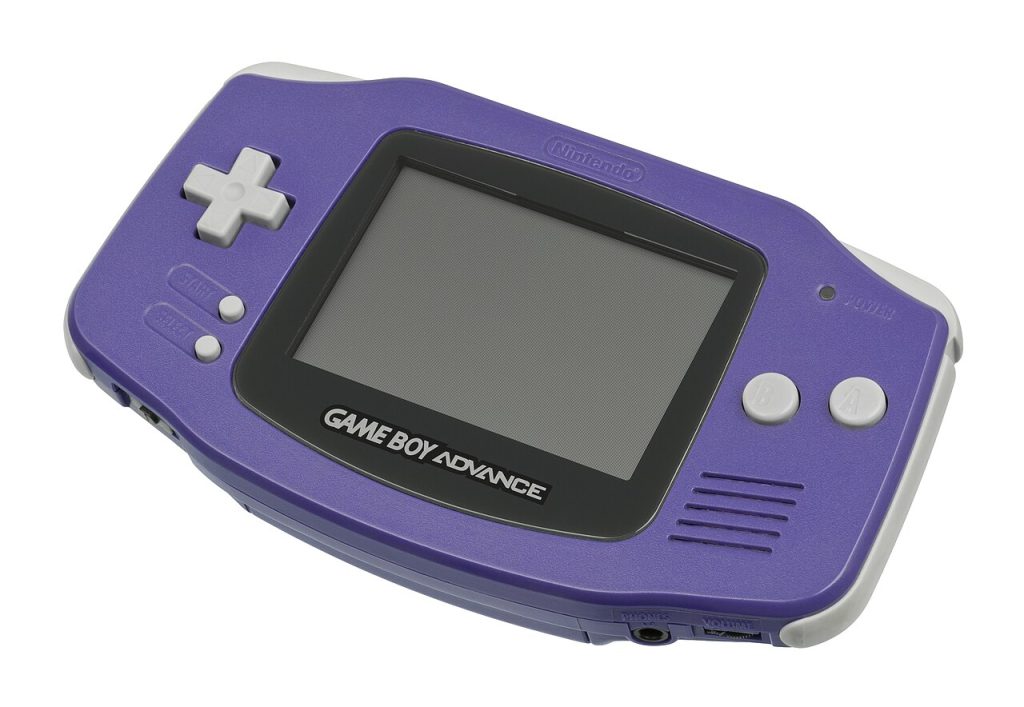
In 2001, Nintendo tapped French designer Gwénaël Nicolas to reimagine the Game Boy as a horizontal handheld—the 32-bit GBA’s most distinctive break from Nintendo’s classic vertical shape.
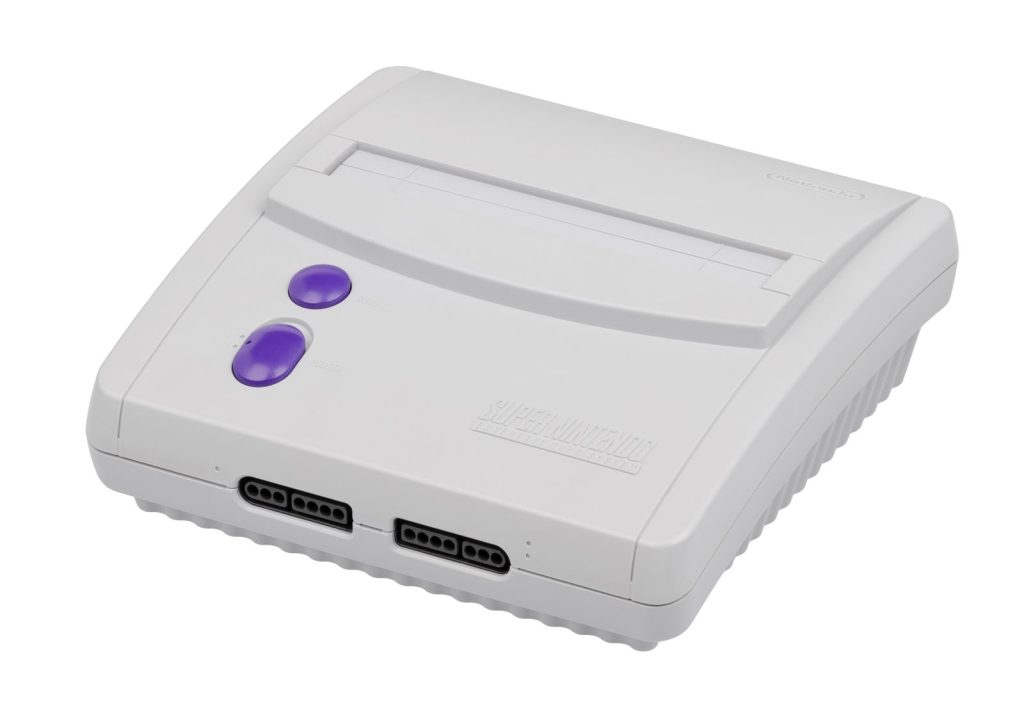
Nintendo’s Super Famicom launched in Japan in 1990, took on Sega’s two-year head start with Mode 7 tricks and coprocessors, and outsold the Genesis 49.1 million to 30.75 million.
Super NES/Super Famicom Read More »
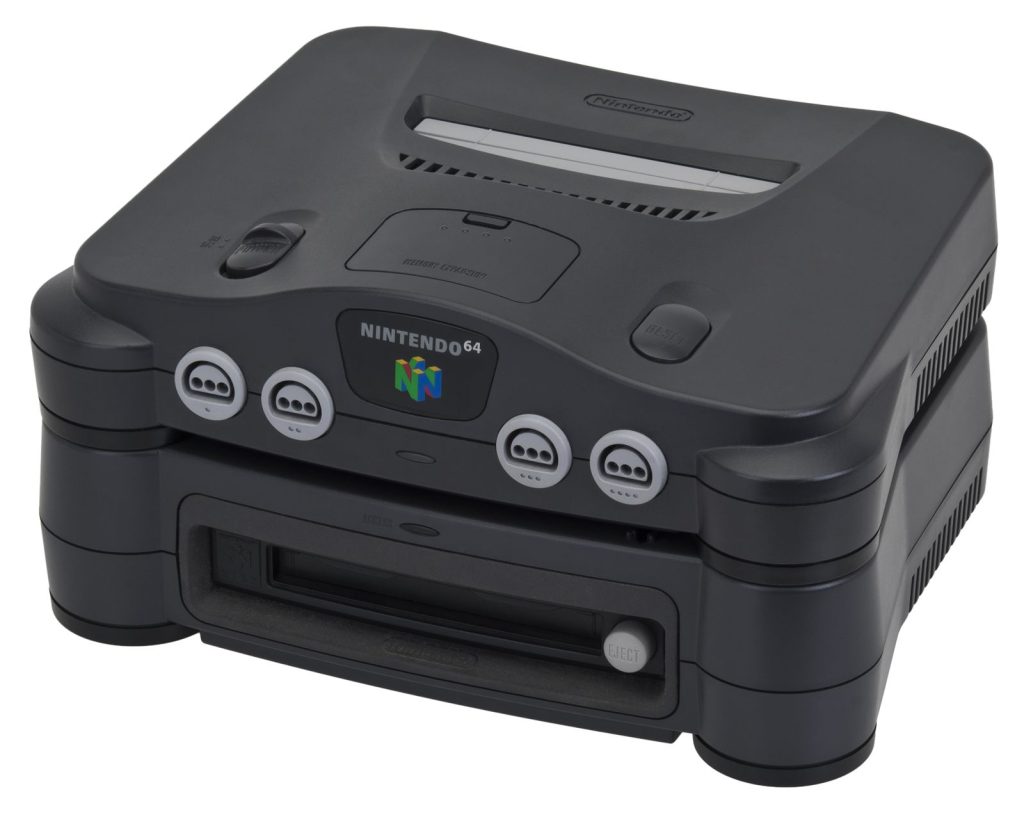
Nintendo’s Japan-only 1999 N64 disk drive sold just 15,000 units and shipped only ten disks, yet its design ideas seeded Animal Crossing, Nintendogs, and the Wii’s Mii characters.